


I really, truly wanted to love the Galaxy Buds 3 Pro. The sound quality was vibrant, its ANC rivaled that of competitors, and it felt surprisingly comfortable. But the angular, blade-like stems and a fussy charging case made everyday use feel like a chore. New animations in One UI 8.5 indicate a Galaxy Buds 4 Pro revamp that seems to address those pain points head-on, and for once in a long while, I’m hopeful Samsung will be listening to the right feedback.
Why the Buds 3 Pro Failed for Everyday Use
The Buds 3 Pro’s highly triangular stems were dramatic, but basic interactions proved punitive. Pinch and swipe gestures were predictable, but holding that sharp stem without moving the seal or knocking out the bud was an ongoing challenge. At my desk, sitting still, it was bearable; but on a run or in a crowded subway car I’d find myself squeezing them back into place — albeit the squeeze o’ shame — more often than is acceptable.
The case complicated things further. The stems faced inward and the opening was tight, so dropping the buds in proved to be a two-handed, eyes-on operation. Magnets that should have governed placement sometimes resisted it, pushing stems off-kilter. Those seconds add friction that accumulates for something you pick up dozens of times a day.
The Buds 4 Pro Fixes the Usability Flaws That Matter
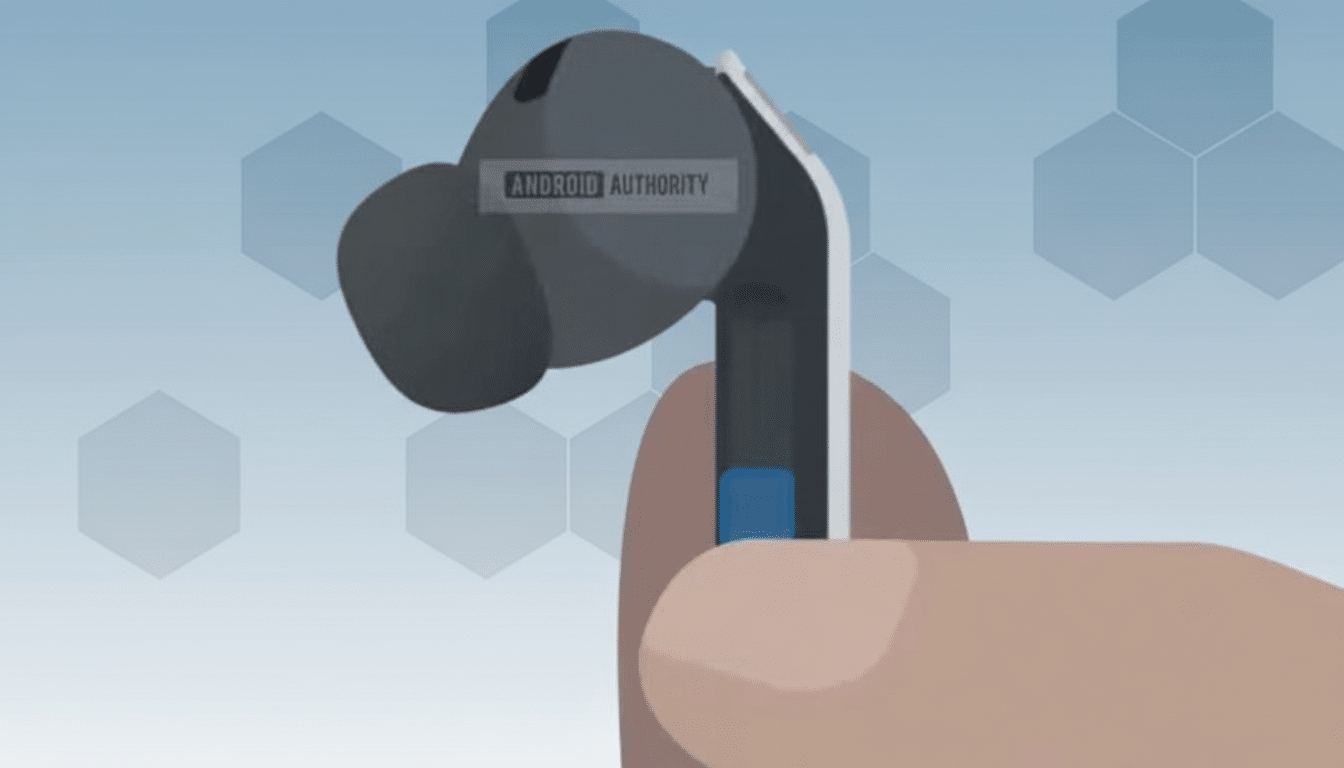
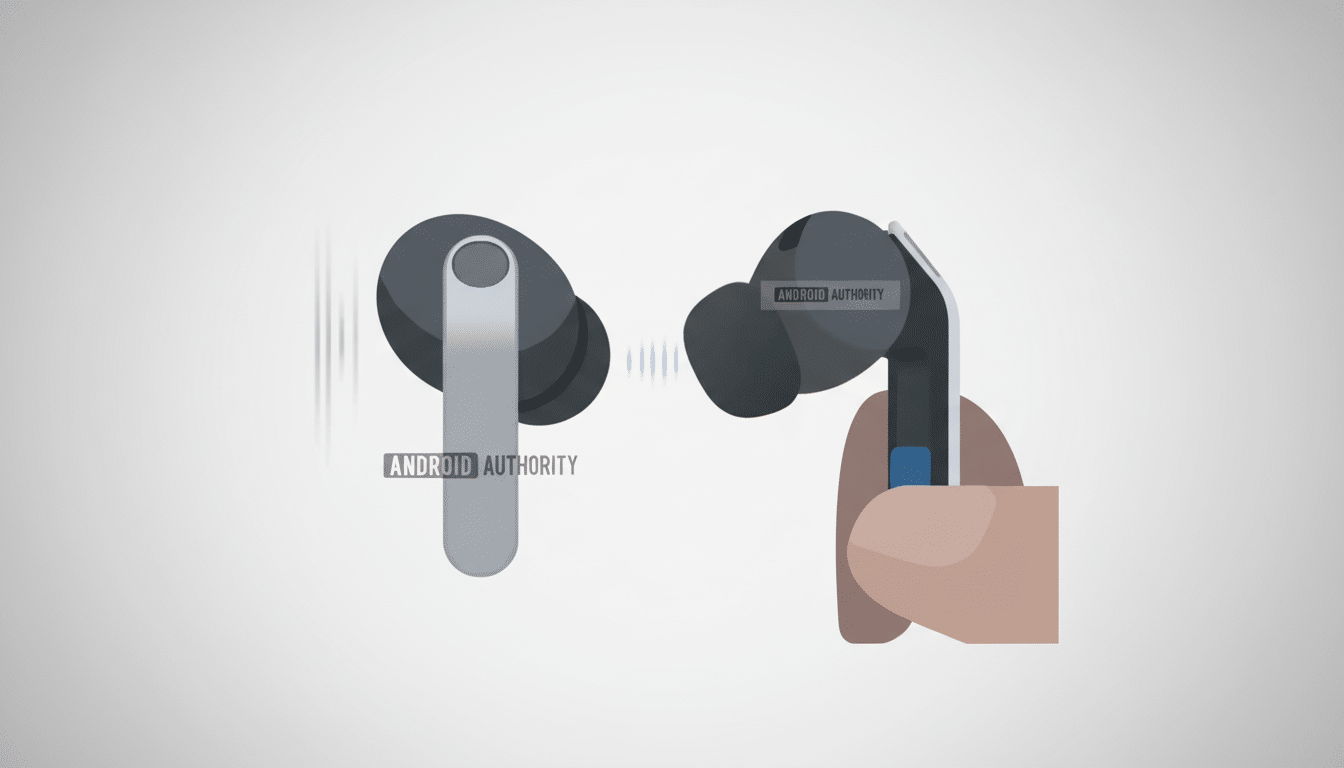
Early One UI 8.5 animations hint Samsung is flattening the stem profile and widening the surface area of contact.
The visual tweak is small; the ergonomic impact, outsized. A smoother surface should reduce unintended slips, increase leverage for pinch gestures, and make on-ear adjustments feel more refined. It is the sort of micro-optimization that good hardware teams will obsess over, but not because it does something you can measure on a spec sheet — instead because it irons away an irritant that you can only feel by using.
The case seems to return to more of a slouchy, “lying down” orientation like the Buds 2 Pro, with wells that welcome a natural drop-in motion. If magnet polarity and guide-rail resistance are tuned, you’ll be able to pocket-dock the buds without a second thought. That alone solves the single most annoying thing about living with the Buds 3 Pro.
Why Ergonomics Won Out Over Raw Specs in Earbuds
Higher-end earbuds are already headed toward great sound and ANC. For example, the independent testers at RTINGS often have top models bunched up in a tight noise reduction/frequency response band once EQ kicks in. What sets winners apart are human factors: grip geometry, touch target size, and case ingress responded to by feel.
Canalys analysts have consistently listed Samsung among the world’s leading TWS vendors — but value over time is about daily delight, not launch-week specifications. Small adjustments that stop a product from slipping during a pinch or make one-handed docking reliable can shave away the minor irritants that push users back to earlier, easier gear.
How It Compares to the Competition from Apple and Sony
The design of Apple’s stem works in part because the force sensor resides on a soft, level surface you can pinch even if you are wearing gloves or have sweaty fingers. Sony’s WF-1000XM5 loses the stem, but makes up for it with a large touch area and foam tips that hold the earbuds in place. Bose relies on chunky housings and powerful magnets that suck the buds into place. By moving toward a flatter stem and orienting the case horizontally, Samsung heads closer to those proven usability patterns without throwing its own aesthetic under the bus.
And if Samsung adds in some of the modern conveniences — reliable multipoint, seamless codec handoff with LE Audio where that’s supported, and smarter voice detection — then it’ll sweeten the argument to make switching less about bullet points and more about better experiences. Yet even with that, improved stems and a thought-through case remove the two biggest reasons I stopped grabbing for the Buds 3 Pro.
Real-World Usability Wins You’ll Feel in Daily Routines
Imagine the moments that matter: waiting to order at a coffee shop, skipping a track on your run, or throwing back the buds as your train arrives. Those are split-second interactions. A grippy, flat stem helps to prevent mis-presses. The dock-and-go process is quickened with the horizontal case. After a week, that feels like the product getting out of your way — which is exactly what premium earbuds should do.
What I’m Watching Before I Call It a Comeback
Good design is a good bet, but the execution has to be on point. I’ll be tracking consistent gesture recognition, case magnets that guide, not fight, and ergonomics that hold up with sweat or gloves. It’s the battery life, the ANC tuning, the wind-noise handling, and call quality — particularly beamforming in city noise — that will determine whether the Buds 4 Pro are simply better or truly world-beating.
Even so, these leaks suggest a course correction that fixes the right problems. If the hardware feels as good as it looks and the case acts like muscle memory from Day 1, well, then the Buds 4 Pro won’t just help correct what the Buds 3 Pro got wrong — they could win back users like me who care most about how great tech fades away in daily life.
