


A fresh leak points to Samsung keeping Galaxy S26 launch prices in line with last year’s S25 lineup in European markets, despite rising memory costs. Even more surprising, the tip claims the S26 Ultra could be cheaper at popular storage tiers, suggesting Samsung may shoulder component inflation to avoid sticker shock for buyers.
What the leak says about Euro pricing for the S26
Veteran leaker Roland Quandt posted that base S26 models should be “pretty much the same” as their S25 counterparts in Europe. He also indicated the S26 Ultra might undercut last year’s Ultra by roughly €100 for the 256GB and 512GB versions, while the 1TB model would hold steady. The information, said to be based on retail data originating outside the Eurozone, introduces some uncertainty but offers a credible early picture.
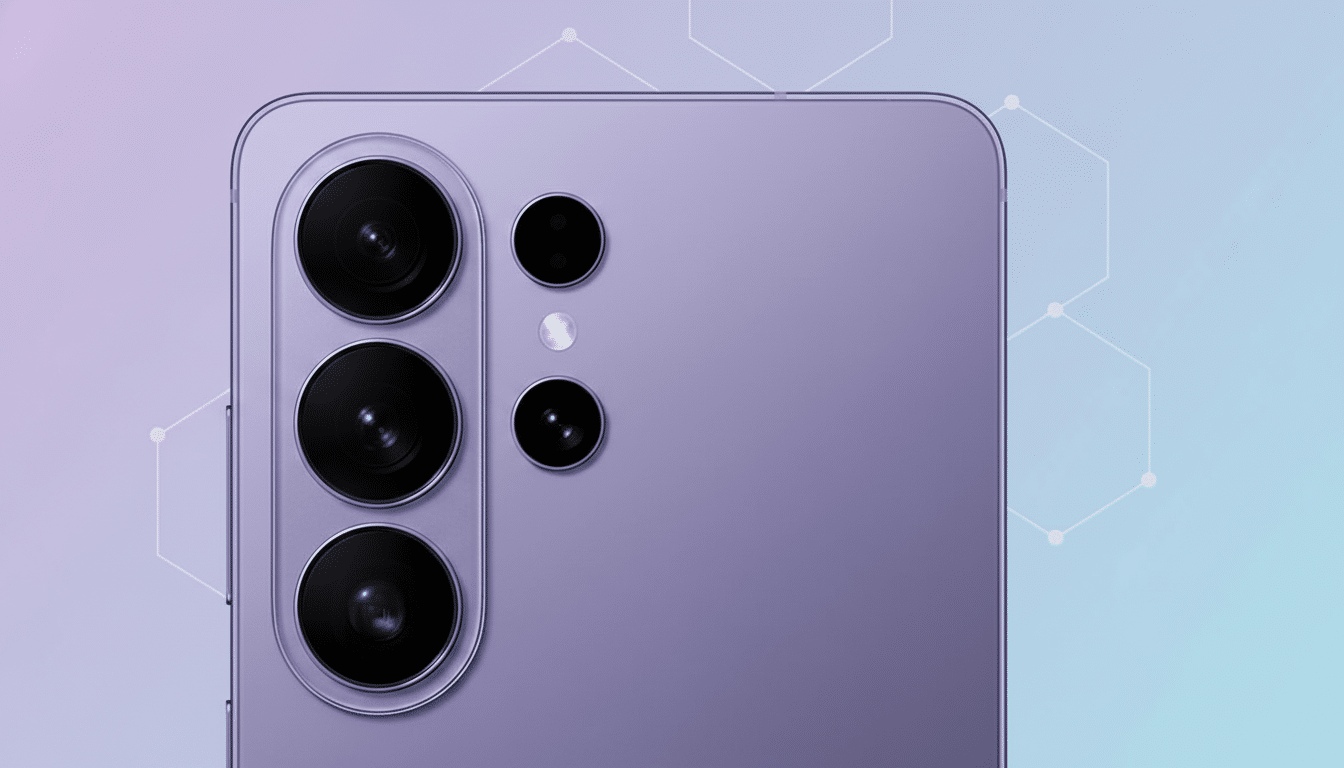
Importantly, equal or lower Euro pricing doesn’t guarantee the same outcome elsewhere. U.S. and other regional MSRPs can diverge due to currency swings, taxes, and local channel incentives. Still, a flat or slightly lower price in the EU is a notable signal in the face of component headwinds.
RAM Costs Are Rising But May Not Hit Consumers
Memory prices have surged as AI servers consume high-bandwidth memory and DRAM supply tightens. Market trackers like TrendForce have logged consecutive quarters of double-digit percentage increases in DRAM contract pricing, and chipmakers including SK hynix and Micron have spotlighted strong demand for advanced memory in recent earnings commentary.
Conventional wisdom would predict smartphones get pricier or ship with lower memory to compensate. If Samsung keeps S26 prices steady, it likely reflects several levers: vertical integration in memory, hedging and long-term supply contracts, and tighter control of launch promotions. In short, Samsung may be trading margin for market share and predictability as competition intensifies at the high end.
Fewer Freebies Could Balance the Books at Launch
The leak hints at a key trade-off: don’t expect the generous pre-order storage upgrades seen with prior generations. Free bumps from 256GB to 512GB at launch have historically sweetened the deal, especially on Ultra models. Pulling back on those perks is a straightforward way to hold the headline MSRP while preserving margin as bill-of-materials costs rise.
Instead, buyers may see more targeted incentives like carrier trade-ins, financing bundles, or region-specific rebates. These are easier to scale and adjust by market than blanket storage upgrades, and they can still deliver compelling value without eroding top-line pricing.
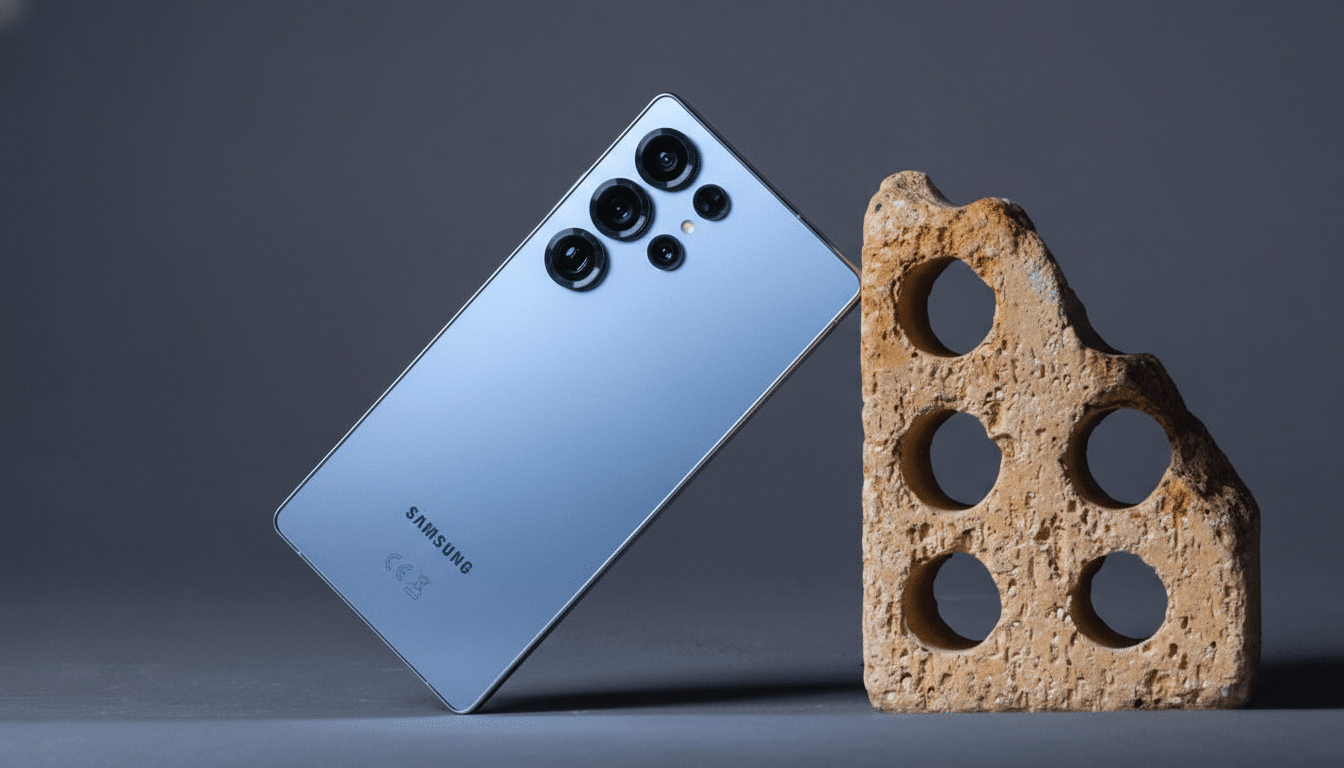
Why Memory Matters More in This Galaxy S26 Cycle
Flagship phones are leaning harder on on-device AI features, advanced imaging pipelines, and richer multitasking, all of which benefit from higher RAM capacity and bandwidth. Even if final S26 memory configurations aren’t yet confirmed, the broader trend is clear: sustained software ambitions push against tighter memory supply. That tension is what makes steady pricing noteworthy.
Analysts have warned that AI-driven memory demand can spill over from data centers to consumer devices by tightening overall DRAM availability. While smartphones do not use HBM, the reallocation of wafer capacity and capital toward high-margin AI parts indirectly lifts mainstream DRAM prices, creating ripple effects across the electronics ecosystem.
Regional Caveats to Consider and What to Watch Next
Euro pricing often includes VAT and can’t be cleanly extrapolated to other regions. Currency volatility and channel costs can also tilt outcomes market by market. Prospective buyers outside Europe should treat this leak as directional rather than definitive.
Key signals to monitor next:
- Confirmed storage tiers at launch.
- The presence or absence of pre-order storage upgrades.
- Carrier promotion structures and region-specific incentives.
- Memory market commentary from TrendForce and DRAM vendors; if contract pricing stabilizes, it reduces pressure for mid-cycle adjustments.
Bottom Line on Potential Galaxy S26 Pricing in Europe
If accurate, Samsung appears poised to prioritize consistency over pass-through inflation for the Galaxy S26 in Europe, possibly even trimming Ultra prices at key capacities. The trade-off may be fewer launch freebies rather than a higher MSRP. With DRAM costs still elevated and AI features climbing the stack, holding the line on pricing would be a strategic, consumer-friendly move—one that keeps Samsung’s flagships competitive without igniting a premium phone price war.
