


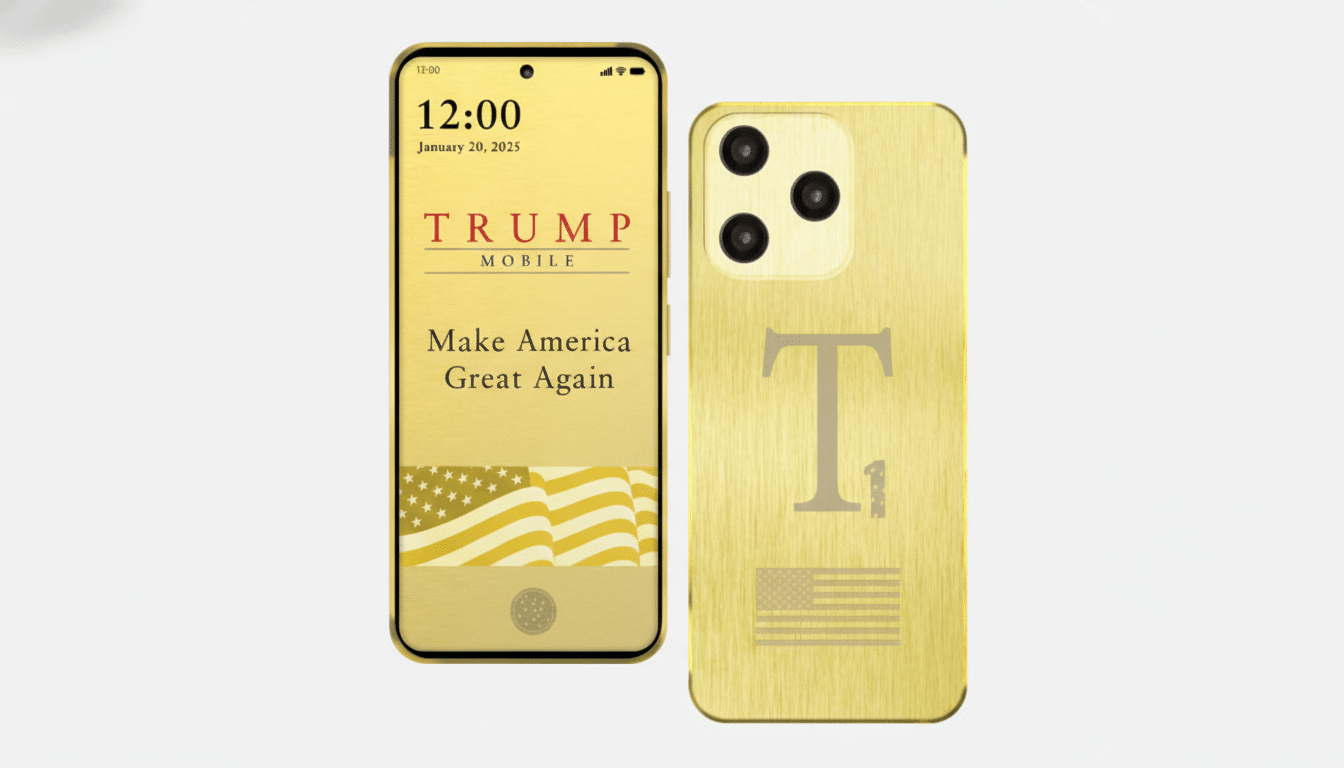
Eleven Democratic lawmakers are urging the Federal Trade Commission to investigate Trump Mobile after months of delays and shifting marketing claims around its still-unshipped T1 Phone. The push centers on whether the company misled customers by taking deposits, promoting bold features and provenance, and then failing to deliver or clearly disclose timelines.
The request, led by Senator Elizabeth Warren and Representative Robert Garcia and first reported by The Verge, asks the FTC to confirm whether an inquiry is underway and to ensure the company is treated like any other firm facing potential deceptive advertising or preorder violations. The lawmakers frame the case as a straightforward consumer protection test, not a political fight.
Allegations about Trump Mobile’s T1 preorder claims at a glance
At the center of the letter is the T1 Phone, announced months ago and still taking $100 deposits despite no publicly confirmed ship date. Lawmakers highlight that early “Made in America” language disappeared from marketing materials and that social ads appeared to use edited renders resembling a Samsung Galaxy S25 Ultra and, later, imagery akin to a gold iPhone 16 Pro. The result, they argue, is a pattern of claims that don’t match verifiable facts or actual product availability.
The letter also questions the company’s communications with buyers. Customers report receiving few specifics about delivery windows or what the deposit truly guarantees, even as promotional posts continue. Lawmakers want the FTC to determine whether these practices cross the line into false or deceptive advertising.
The consumer protection rules at stake in the FTC review
Two areas of law are particularly relevant. First, the FTC’s Mail, Internet, or Telephone Order Merchandise Rule requires sellers to ship within the time stated at purchase, or within 30 days if no time is stated. If delays occur, companies must promptly notify customers, offer the right to cancel, and issue timely refunds if the buyer declines to wait. Prolonged silence while continuing to accept deposits can draw scrutiny under this rule.
Second, the FTC prohibits deceptive advertising under Section 5 of the FTC Act. If imagery or claims would mislead a reasonable consumer about a product’s features, origin, or availability, the agency can act. The separate “Made in USA” Labeling Rule adds teeth: unqualified U.S.-origin claims require that final assembly and virtually all significant components be domestic, and violations can trigger civil penalties exceeding $50,000 per violation. The FTC has pursued high-profile cases on origin claims and preorder practices across sectors, from apparel to home goods to tech accessories.
What buyers are reporting about deposits, delays, and clarity
Consumers who placed deposits months ago describe a hazy preorder experience: no firm delivery dates, shifting product imagery, and limited clarity on whether the deposit is refundable or what model will actually ship. Tech reporters who preordered have relayed similar experiences, underscoring the core issue for regulators—expectations set by marketing versus the reality of fulfillment.

Preorder campaigns aren’t inherently problematic; they are common in the smartphone world. But they hinge on transparent timelines, accurate imagery, and clear terms. When delays stack up without consistent updates, refund options, or substantiated specs, regulators often ask whether consumers were given the information needed to make an informed purchase.
Politics aside, lawmakers call for equal consumer protection
Lawmakers stress that this is a consumer law question, not a referendum on political branding. Their letter says the public needs confidence that advertising and preorder rules apply uniformly. They also note a prior outreach to regulators last summer went unanswered, pressing for assurance that political sensitivities will not shield or target any company unfairly.
For the FTC, the optics matter. The agency typically avoids political commentary and focuses on whether claims are substantiated, disclosures are clear, and refunds are promptly honored when products don’t ship as promised.
What comes next for the FTC probe and waiting customers
If the FTC opens a probe, the process could involve civil investigative demands for documents, ad archives, preorder data, and supplier records to verify origin claims and fulfillment plans. Outcomes range from no action to settlements requiring refunds, revised marketing, and civil penalties. State attorneys general, who enforce their own unfair and deceptive acts and practices laws, could also take interest depending on consumer complaints.
Buyers waiting on the T1 Phone can protect themselves by saving all order confirmations and ads, checking card chargeback windows, and filing complaints with the FTC or their state attorney general if they believe promises were not met. Meanwhile, the central question of the moment—where the missing phone is and when it will ship—now sits squarely before federal regulators.
