


A new desktop utility is making waves by promising an easy way to save shows and films from major streamers for offline viewing. Keeprix, an all-in-one streaming video downloader for Windows and Mac, is being promoted with a lifetime license and a pitch that it works with Netflix, Hulu, Disney Plus, Paramount Plus, and other platforms.
What Keeprix’s Streaming Downloader Claims to Do
Keeprix markets straightforward capture: paste a show or movie link in the app, choose MP4 or MKV, and queue multiple downloads with batch processing. The company highlights watermark-free files, fast transfers, and support for building personal libraries. On paper, that addresses a very real pain point—streaming catalogs shift constantly, and internet access is not guaranteed on flights, commutes, or in dead zones.
- What Keeprix’s Streaming Downloader Claims to Do
- Why This Matters to Streamers and Subscription Viewers
- The Legal and Ethical Fine Print of Video Downloaders
- How Keeprix Fits into the Streaming Downloader Market
- Practical Alternatives And Best Practices
- Bottom Line on Keeprix’s Pitch and Real-World Limits
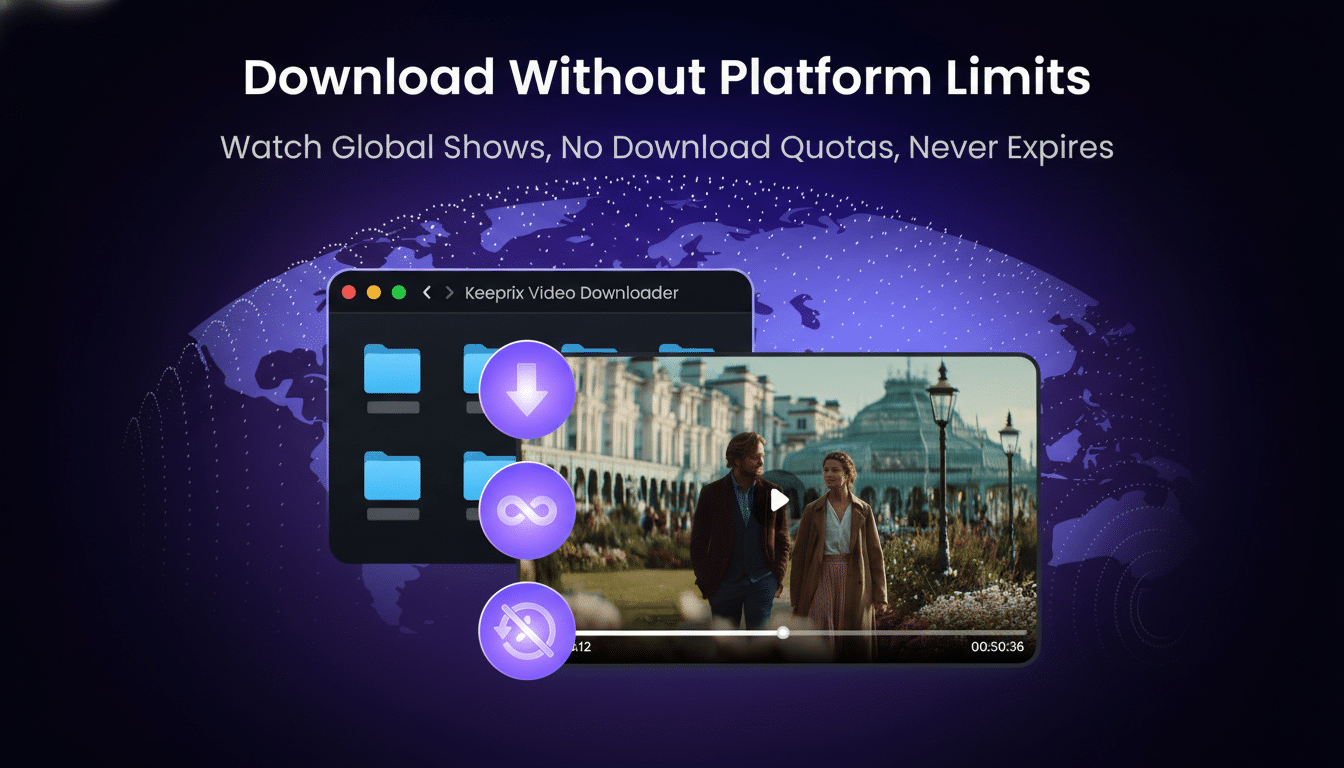
The pitch also nods to power users, citing features like simultaneous downloads and broad platform coverage. While the app’s positioning targets mainstream services, it also suggests utility for long-tail sites and ad-supported video, which can be useful for creators archiving their own uploads or teams saving authorized training content.
Why This Matters to Streamers and Subscription Viewers
Streaming libraries are far from permanent. In recent years, popular shows have vanished with little notice—Westworld was removed from one major service before being licensed to free ad-supported channels, while titles like Willow and The Mysterious Benedict Society were pulled as companies reworked content strategies. For viewers, that unpredictability fuels frustration and churn.
Analytics firm Antenna has tracked a steady rise in subscription switching across U.S. premium video, reflecting price hikes and shifting content availability. Consumer surveys from firms like Deloitte similarly show that households juggle multiple services, often cycling in and out when a favorite series disappears. A tool that promises reliable offline access resonates in that environment.
The Legal and Ethical Fine Print of Video Downloaders
There is a critical distinction between what a tool can do and what you are allowed to do. Most major platforms prohibit downloading outside their own apps in their terms of use. Many titles are protected by digital rights management, and anti-circumvention laws such as the U.S. DMCA can make bypassing DRM unlawful, regardless of intent.
Organizations like the Electronic Frontier Foundation have long criticized how DRM can constrain legitimate use, but the legal landscape remains strict. If you rely on any third-party downloader, restrict it to content you own the rights to—your own videos, public-domain works, or material explicitly licensed for download. For everything else, use the in-app download features offered by services like Netflix and Hulu, which provide time-limited offline access within their rules.
The broader stakes aren’t trivial. The U.S. Chamber of Commerce’s Global Innovation Policy Center has estimated tens of billions of dollars in annual losses tied to digital video piracy in the U.S., a figure that drives aggressive enforcement across the industry. Consumers should assume platforms will change technology and policies to block unauthorized saving.
How Keeprix Fits into the Streaming Downloader Market
Keeprix’s selling points—cross-platform support, batch queues, MP4/MKV output—mirror a growing set of utilities that aim to simplify video archiving. The difference here is the packaging: a one-time lifetime license rather than a monthly fee, and claims of compatibility with top-tier services. If accurate, it could be appealing for users who work with rights-cleared content and want a single dashboard rather than juggling site-by-site tools.
Still, longevity is a question mark for any third-party downloader. Streaming services regularly update DRM, playback protocols, and rate limits. What works today may break tomorrow. Prospective buyers should weigh the cost against that risk, and consider whether the app supports other legitimate workflows they need—such as saving creator-owned videos, lectures with download permission, or public-domain archives.
Practical Alternatives And Best Practices
Before turning to external tools, check what your service already offers. Netflix, Hulu, Disney Plus, and others provide offline downloads for many titles within their official apps, with device and expiry limits clearly outlined in help centers. For permanent copies, buying films or series through digital retailers that grant download rights is the most straightforward route.
If you do adopt a downloader, keep usage narrow and compliant. Verify you have permission to save the content, store files securely, and respect geographic and licensing restrictions. For teams, consult legal counsel and your content agreements—especially in education and enterprise settings where archival needs can be legitimate but complex.
Bottom Line on Keeprix’s Pitch and Real-World Limits
Keeprix is tapping into a real consumer pain point: streaming’s volatility and the desire for dependable offline viewing. The feature list will turn heads, and a lifetime license sweetens the pitch. Just remember the ground rules. For most studio content, the safest path is to use official downloads or purchase titles. For rights-cleared material, a capable downloader can be a time-saver—provided you stay on the right side of the law and expect the tech chess match to continue.
