


James Cameron, the filmmaker behind Avatar, may have just offered one of Hollywood’s biggest admonishments of generative AI yet — he described the technology as “horrifying” in a television interview published today that was tied to the next installment of Avatar dubbed Fire and Ash. The director, a long-time proponent of performance capture, countered the suggestion that his techniques are similar to an AI that creates actors and performances based on written prompts.
Cameron likened performance capture to a celebration of human craft instead of a replacement for it, citing scenes he assembled from actors’ labor in a 250,000-gallon water tank. The goal, he said, is not to replace actors with code but to achieve obsessive artistry in the transference from their idiosyncratic decisions to digital characters.
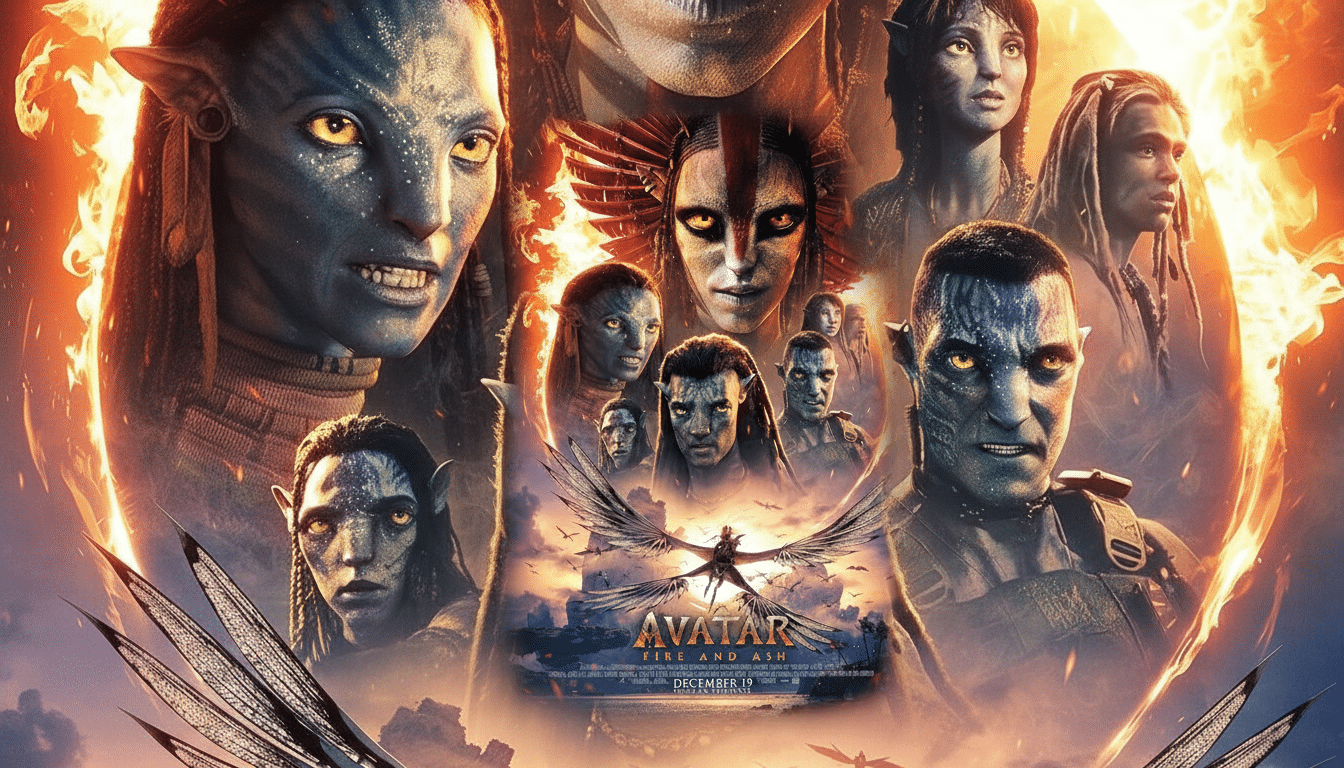
Cameron Draws A Line Between Capture And Synthesis
Performance capture captures a live performance — the eyes, microexpressions, breath, physics of movement — and then extends it through visual effects. Teams at Weta FX and other partners retarget that data onto Na’vi characters so audiences still see the underlying performance, even when it’s an eight-foot-tall blue-skinned space alien. This pipeline, Cameron argues, is actor-first and director-bred.
Generative AI, by comparison, conjures up a “new” performer from text or reference images. Tools that synthesize faces, voices and bodies can generate a performance that never existed in the life of a human. What Cameron is talking about isn’t just a matter of aesthetics; it’s authorship and consent and destabilizing the actor-director relationship that remains central to why we feel what we do in movies.
To put it another way, the difference is not minor. Capture preserves intent and accountability. Synthesis obfuscates the line of custody: Who owns a composite face? Who directs a model’s “choices”? What if a prompt results in something uncannily close to a known star? Who gets paid then?
Why Hollywood Is Terrified of Generative AI
The industry has spent the past two years rewriting its rulebook already. SAG-AFTRA’s 2023 contract established guardrails on digital replicas, requiring consent and compensation any time an actor’s likeness is scanned or simulated. The Writers Guild of America also called for transparency around AI in draft and scriptwriting. That didn’t settle the argument; it set the floor for what “acceptable” experimentation looks like.

Policy is catching up, too. The European Union’s AI Act mandates clear labeling of deepfakes and synthetically generated content. In the United States, the proposed No Fakes Act would provide federal protections against unauthorized use of a person’s voice and likeness. Studios are testing the waters: music labels have filed lawsuits and deals at the same time (Warner Music’s partnership with AI-music startup Suno is a prime example) indicating experimentation will continue under even-handed contracts.
The public remains wary. According to a report by Pew Research Center, 52% of Americans are worried about AI. The Stanford Institute for Human-Centered Artificial Intelligence notes an escalating trend of generative tools compared to the slower pace of development in robust detection and provenance systems, which highlight that synthetic content could be disseminated before it can even be marked.
What This Means For Avatar And The Craft
Cameron’s pushback hints that the Avatar franchise will continue to deepen actor-centric pipelines, fine-tuning underwater capture and pushing facial fidelity, relying on craft artists to transform lived-in performances into Pandora flora and fauna. Look for more of the right stuff that made The Way of Water an exemplar of when performance, physics and VFX are cooperating rather than competing.
None of this is to say that Cameron is anti-technology; he is anti-shortcuts that reduce human judgment to a probabilistic average. Generative tools might be better suited to safer roles in previsualization, concept iteration and set planning — where they augment rather than replace. But around faces, voices and beats that have the power to move an audience, he is insisting on consent, credit and compensation as nonnegotiables.
Where Cameron has credibility, on the other hand, is in not being nostalgic about the past. He was there when we invented the future and he is warning us that it needs to remain fundamentally humane. His “horrifying” branding is less a sweeping repudiation of AI than a demand that the industry choose sides: technology in service of performers, not performers in service of technology.
