


And now one of the year’s most aggressive portable power deals has just dropped with this: the Jackery HomePower 3600 is down to around $1,699 at major retailers from its list price of $2,799 ($1,100 off). That’s a 39% markdown on a serious home backup, RV, and jobsite‑capable 3.6 kW‑class unit — well into ace territory when it comes to such reductions.
Why this discount on a 3.6kWh system stands out today
Aggressive discounting is widespread for compact power stations; it’s much less common when it comes to a high‑output system approaching whole‑home effectiveness. The closest comparable 3.6 kWh products from major competitors usually clock in around $2,999 to $3,699, and aggressive promotions rarely dip below that $1,700 figure. If you’ve been eyeing a high‑capacity backup solution where the deal isn’t destined for long‑term storage, this is the kind of price that starts making things interesting.
- Why this discount on a 3.6kWh system stands out today
- Power and capacity to handle real-world household loads
- Fast recharge options and full compatibility with solar
- What recent power outage trends mean for preparedness
- How it compares to other 3–4kWh options in the marketplace
- Safety and setup considerations for home and RV use
- Who should consider buying the HomePower 3600 now
Power and capacity to handle real-world household loads
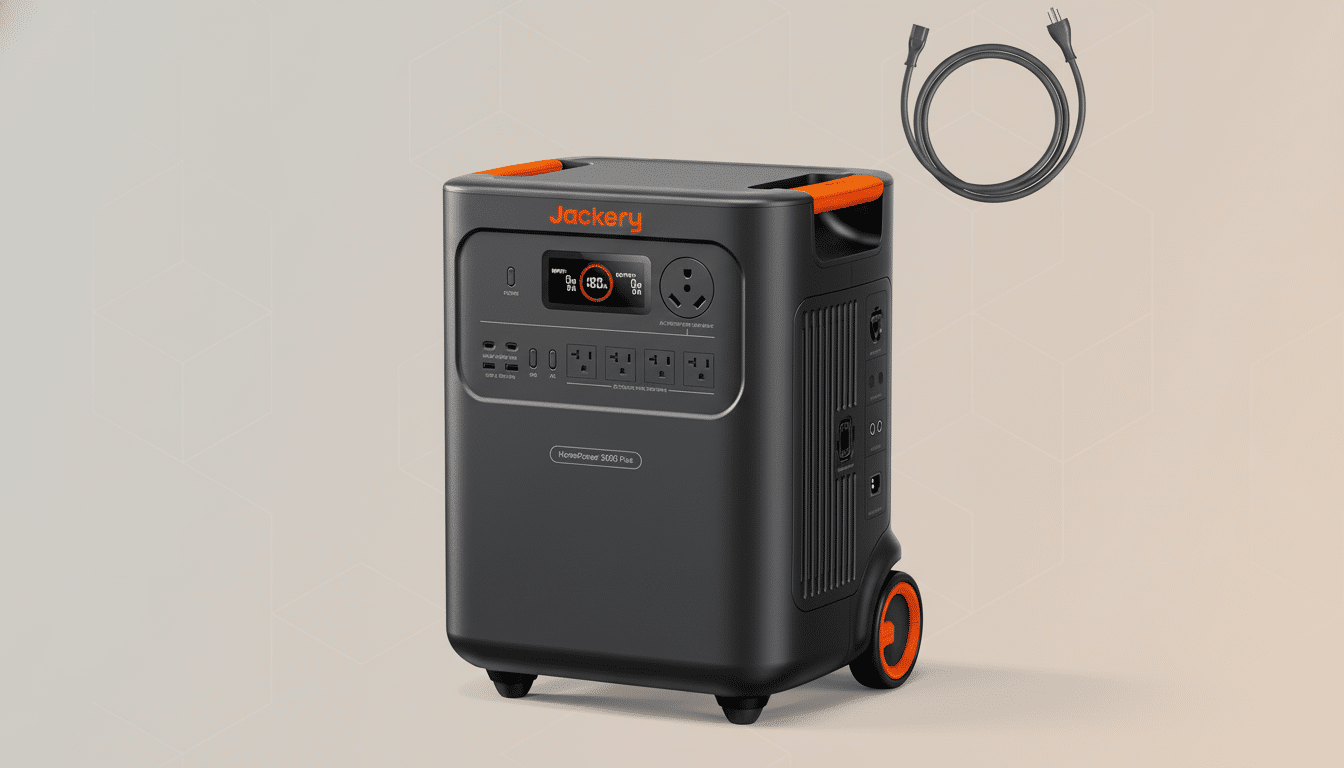
HomePower 3600 features up to 3,600 W of continuous AC output with high‑surge capacity, and it can run in parallel mode for a maximum power of 7,200 W along with full 120 V and 240 V compatibility. Its 3,584 Wh of stored energy can help keep your most‑needed items on, like a refrigerator, Wi‑Fi access, and even medical devices during extended outages, and it’s easily expandable up to as much as 21 kWh per device or up to 43 kWh combined if paired with another unit for whole‑home protection.
Port selection is broadly useful: four AC outlets for household gear, a TT‑30 RV port that allows hooking up at a campground or travel trailer with ease, and two USB‑C and two USB‑A ports for laptops and handhelds. At 77 or so pounds, it’s a biggie but light enough to tow (thanks also to inboard wheels and a telescoping handle) — more rollable suitcase than hand‑carry brick.
What does this evidence look like in practice? A modern, smallish Energy Star refrigerator would be expected to consume 1–2 kWh/day, which is on the order of 1.5–3.5 days on the base unit alone (actual run time depends on the efficiency of your inverter and how you use it). A 40 W‑drawing CPAP could support that many nights. A 1,500 W space heater can be handily accommodated for shorter stints, but don’t expect much more than two hours (before the battery requires a recharge) any time it’s working hard to dump power into power‑hungry resistive loads.
Fast recharge options and full compatibility with solar
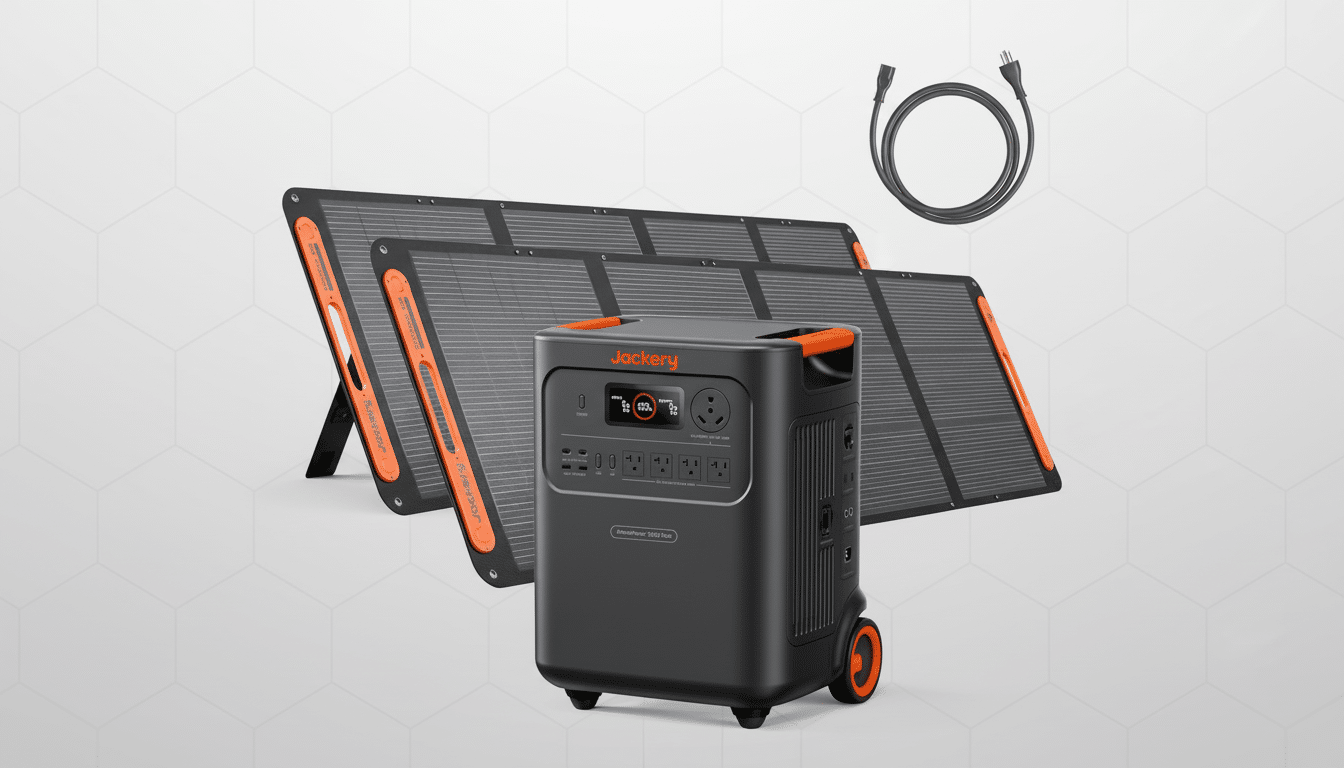
It can be charged in several ways: from a typical wall AC outlet, solar panels, a gas generator, or both AC + solar for fast top‑ups. During longer‑term weather events, when the grid is less stable, that flexibility matters. For years, the National Renewable Energy Laboratory has observed how adding battery storage to modest solar arrays can kick out off‑grid endurance by feeding daily consumption from daytime recharging. If you think you want to depend on solar, sizing your panels very close to (but not more than) the daily load is a good practical place to start.
What recent power outage trends mean for preparedness
Electricity reliability is increasingly on people’s minds. The federal Energy Information Administration says the average customer experienced some 5.5 hours of electric interruptions in a recent year, and that bad weather is still the leading factor. FEMA emergency guidance recommends that households be self‑reliant for a minimum of 72 hours. A 3.6 kWh portable station such as this one, especially when teamed with solar or expansion batteries, certainly plays to that preparedness playbook while keeping the walls of your house intact (as it doesn’t require permanent installation).
How it compares to other 3–4kWh options in the marketplace
At this level of sale, price per watt‑hour is also aggressive in the 3–4 kWh group. Popular competitors with comparable capacities typically have list prices well above this threshold, and their best public sales price tends to linger around that point. Another feature for RVers going to their Newell or Marathon as well is the inclusion of a TT‑30 port, which also puts the HomePower 3600 ahead for RV users who prefer plug‑and‑play rather than adapters. For homeowners, double the power with parallel capability and more outlets for a power solution that can really take on heavy‑duty loads — from small appliances to entire home backup.
Safety and setup considerations for home and RV use
Like all high‑output portable power stations, treat home connections with caution. If you plan to power circuits, employ a professionally installed transfer switch or interlock and never backfeed through a wall outlet. The main things to watch for are clear labeling, a battery management system that will keep your house from catching fire, and recognized safety certifications. Consumer advocates like the testers at Consumer Reports constantly stress ventilation, dry operating environments, and load planning (to prevent overloads and to run as long as possible).
Who should consider buying the HomePower 3600 now
If you live in a storm‑prone area, rely on critical medical devices, camp or overland and need to power higher‑draw appliances, or simply want renter‑friendly backup without having to stick a wall‑mounted battery anywhere, this discount’s difficult to pass up. At around $1,699, you’re purchasing a tool that can fill in grid gaps, power a full campsite, or serve as a flexible jobsite source of power — all with less complicated ownership than would be the case with a fuel generator and the possibility to tack on solar later on.
Inventory and pricing are subject to change, but this is, as of now, one of the best buys you’ll find on an actual power player. If a large‑format portable has been on your shortlist, now’s the time to pounce.
