


Jackery came to CES with three devices squarely targeted at the near future of mobile and backyard power: a tougher Explorer 1500 Ultra power station; the Solar Gazebo that wants to turn patios into a micro power plant; and the oddity head-turner, the Solar Mars Bot, which hunts for sunlight on its own.
The latter two are considered actual curveballs from a company primarily associated with compact batteries and folding panels.
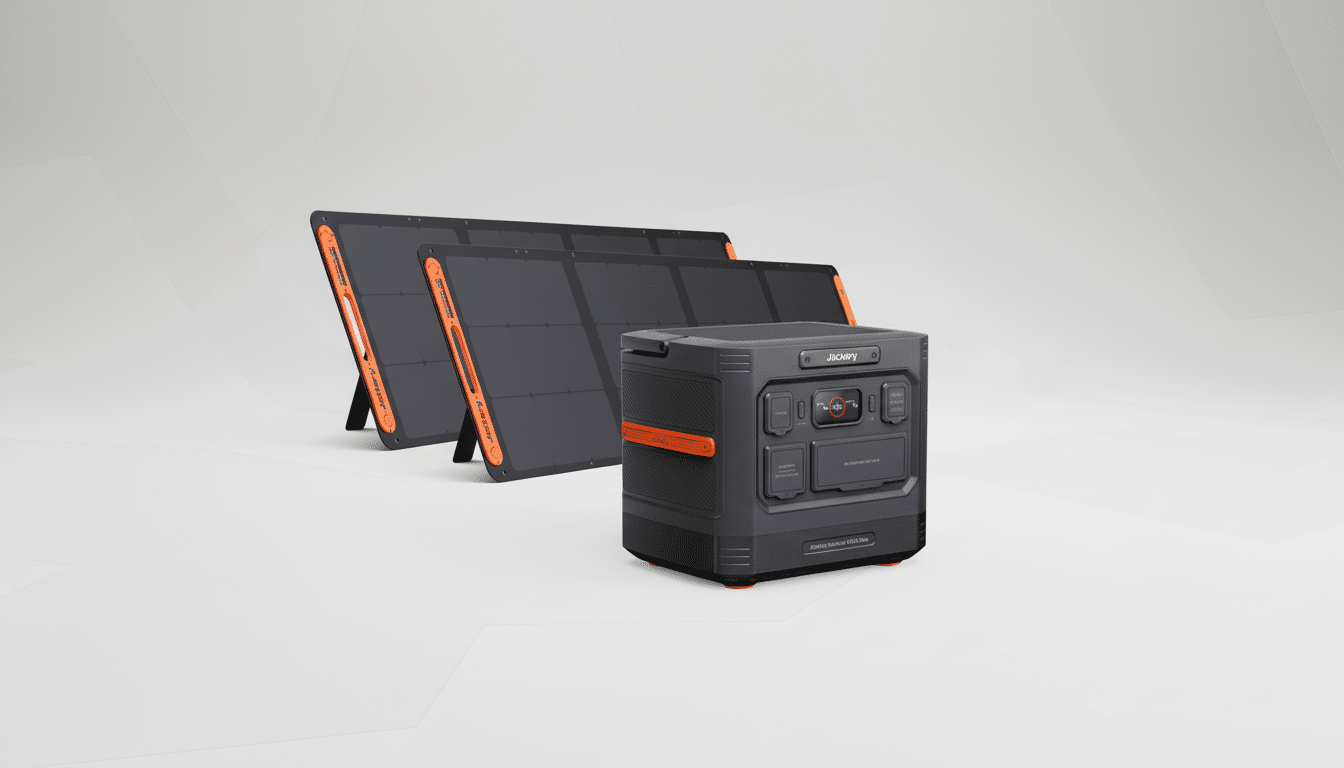
More than mere novelty, the lineup is a barometer of how portable power is evolving — from gear you carry, to infrastructure you live with, to systems that think for themselves. It’s a photo of a market more and more shaped by home resilience, RV life, and outdoor work, in which your plug is not fixed but the reliable watt-hours are.
Portable power, ruggedized for overlanders and job sites
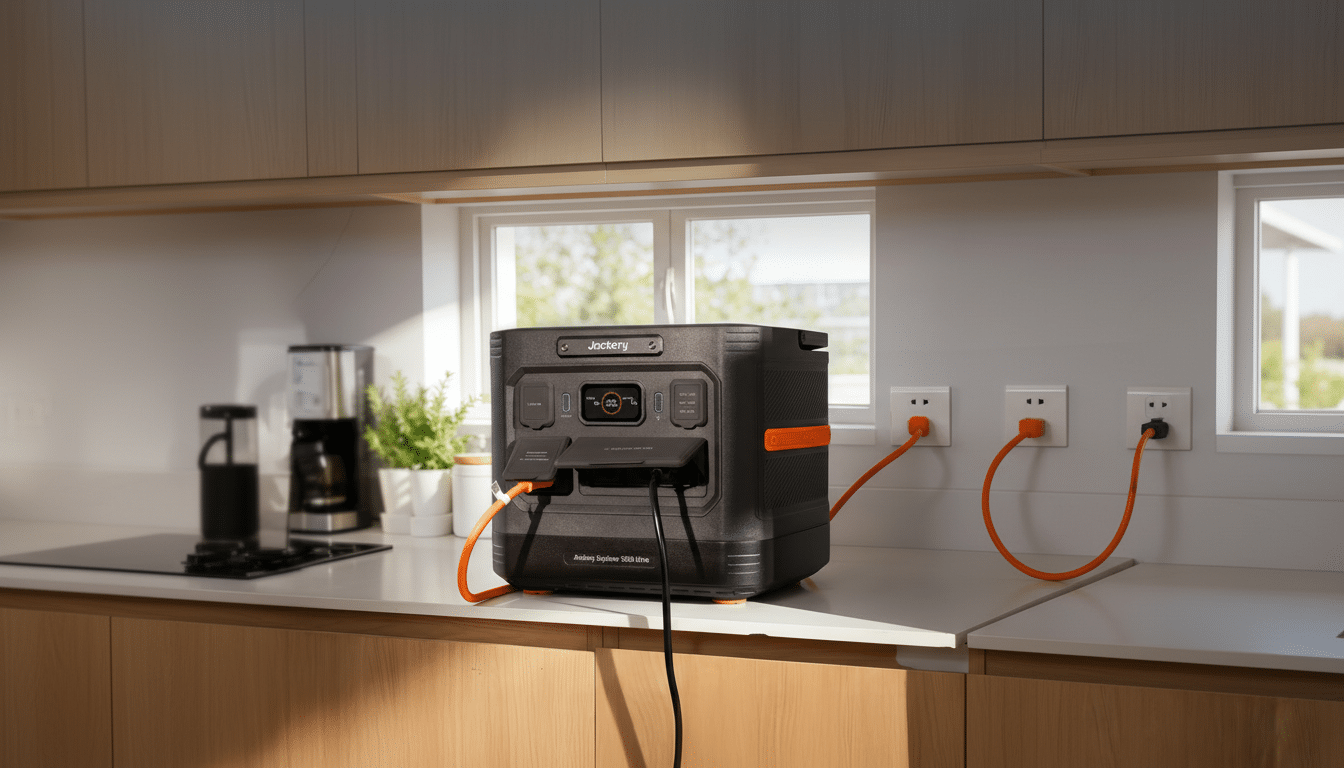
The Explorer 1500 Ultra is a beefed-up spin on Jackery’s signature product: a midlevel power station accommodated for weekend excursions and household backup. “Ultra” in this instance refers to durability and field-readiness, the reliability overlanders and contractors demand when gear is thrown into truck beds, bashed around on job sites, or left in garages whose temperatures oscillate from frozen to sweltering.
Why the emphasis on resilience? Power reliability is already at the top of people’s minds. The U.S. Energy Information Administration (EIA) notes that outage durations for the average customer have been approximately 5 to 7 hours over the past decade, with severe weather being a key contributor. That’s the kind of world in which sturdy, grab-and-go power is not really a luxury. The usual modern necessaries will be present and accounted for — quick input charging, whatever safe lithium chemistry is de rigueur this week, and high surge output for power tools and appliances (sans heater or A/C) — specs which Jackery’s keeping close to the vest until launch.
Solar Gazebo transforms the backyard into a source of power
The biggest surprise is not remotely portable. Jackery’s Solar Gazebo is a permanent outdoor structure that boasts an attached solar roof to feed a power station or home battery. The company points to industrial-grade, high-efficiency panels, with a rated capacity of 2,000 watts and up to 10 kilowatt-hours per day in ideal conditions — approximately one-third the daily electricity consumption of a U.S. home, according to EIA numbers.
The details of construction matter in a fixture type like this. Jackery touts a 6063-T5 aluminum frame that can take a beating and a louvered roof for optimal shade, airflow, and weather protection. In other sections, automatic retractable screens make the space a chameleon; at least one will even double as a movie screen for backyard movie nights — an unexpected functional flourish that connects lifestyle with utility.
From a performance standpoint, placement and angle mean everything. The National Renewable Energy Laboratory has long demonstrated that orientation and tracking can have a significant effect on yield; and while the Gazebo is fixed, its built-in design does promote optimal siting that many DIY panelists tend to lose sight of. Ten kilowatt-hours on a sunny day is enough to keep refrigerators humming, lights bright, and routers juiced up, along with smaller appliances and power tools — or top off the watts on an e-bike fleet.
Grounded Solar Mars Bot brings tracking down to Earth
Jackery’s debut robot is a power station on wheels with a solar brain, really. The Solar Mars Bot has retractable 300 W panels that tilt to track the sun, and it’s able to roam in search of more powerful irradiance — i.e., beyond backyard tree shadows or toward different campsite angles. There’s even a follow-me mode, so it can trail the user around job sites or campgrounds and keep outlets close to where the work is happening rather than the other way around.
Sun-tracking isn’t just theatrics. According to NREL studies, tracking can lead to a double-digit increase in energy yield — as high as 25–35% under some conditions — by keeping the panel angle optimized over the day. On a mobile platform, that edge becomes liquid: the bot can break for shade, then motor toward a clearing sky, then roll back to power gear or charge itself up. There are remaining practical questions of obstacle avoidance and stability on uneven ground, but the concept does neatly answer the biggest shortcoming of suitcase solar: immobility.
What this means for off-grid power and home resilience
The trio exemplifies a larger movement in the category. Portable power used to equal emergency-only boxes; it now includes mobile robots, backyard structures, and professional-grade batteries. For families intent on resiliency without a rooftop-PV dedication, the Solar Gazebo is a sussed compromise. For campers, event crews, and tradesmen, a self-positioning solar rover is kind of like that upgrade to your quality of life you didn’t realize you needed — but which could offer more usable energy from the same panels depending on how its mount location would change throughout the day.
Zooming back, the International Energy Agency sees distributed solar continuing to grow as costs decline and efficiency increases. “The competition is getting more crowded — rivals have moved into whole-home systems and expandable batteries — but Jackery’s blend of a ruggedized core unit, lifestyle-forward gazebo, and an experimental rover puts its stamp on the roadmap.”
Pricing and availability for Jackery’s new CES lineup
According to Jackery, the Explorer 1500 Ultra, Solar Gazebo, and Solar Mars Bot are set to release this year, with further details around pricing coming nearer to release. The company is very much testing new ground with the gazebo and (especially) the rover; how they’re priced — and how they actually perform in real backyards and campsites — will tell us if these surprises become staples or CES curiosities.
