


Lift the iPhone Air and the immediate reaction is a gut one: It feels so insanely thin, shockingly light…and downright elegant to hold in your hands. Apple made skinny phones before, but the Air moves the center of gravity across the entire lineup — toward beauty and hand feel, without falling into a gimmick.
Design That Sells Itself at the First Touch
The headline stat is the thinness: 5.64mm. It’s not often that a number conveys emotion, but this one does. Not just thinner than the majority of flagships hovering around the 7–9mm mark — thin enough that you actually feel the need to do a double take, and then grab someone else and show them so they can share your wide-eyed reaction.
- Design That Sells Itself at the First Touch
- Ergonomics: Thin by Design for Better Balance
- Display and Speed: Flagship Performance Where It Matters
- One Camera, Smart Choices for Everyday Photography
- Battery Life and the Inescapable Physics of Thin Phones
- The X-Factor: Retail Appeal That Drives Desire
- Bottom Line: A Beautifully Balanced Phone for Most Users
Weight has the rest of the story. The Air is perhaps 30 percent lighter than an iPhone 17 Pro Max, and it shows in hand. The brushed titanium frame maintains rigidity (sans the cold, clinical tactility of steel), and a 6.5-inch display appears to melt into its edges, minimizing the bezels to a whisper.
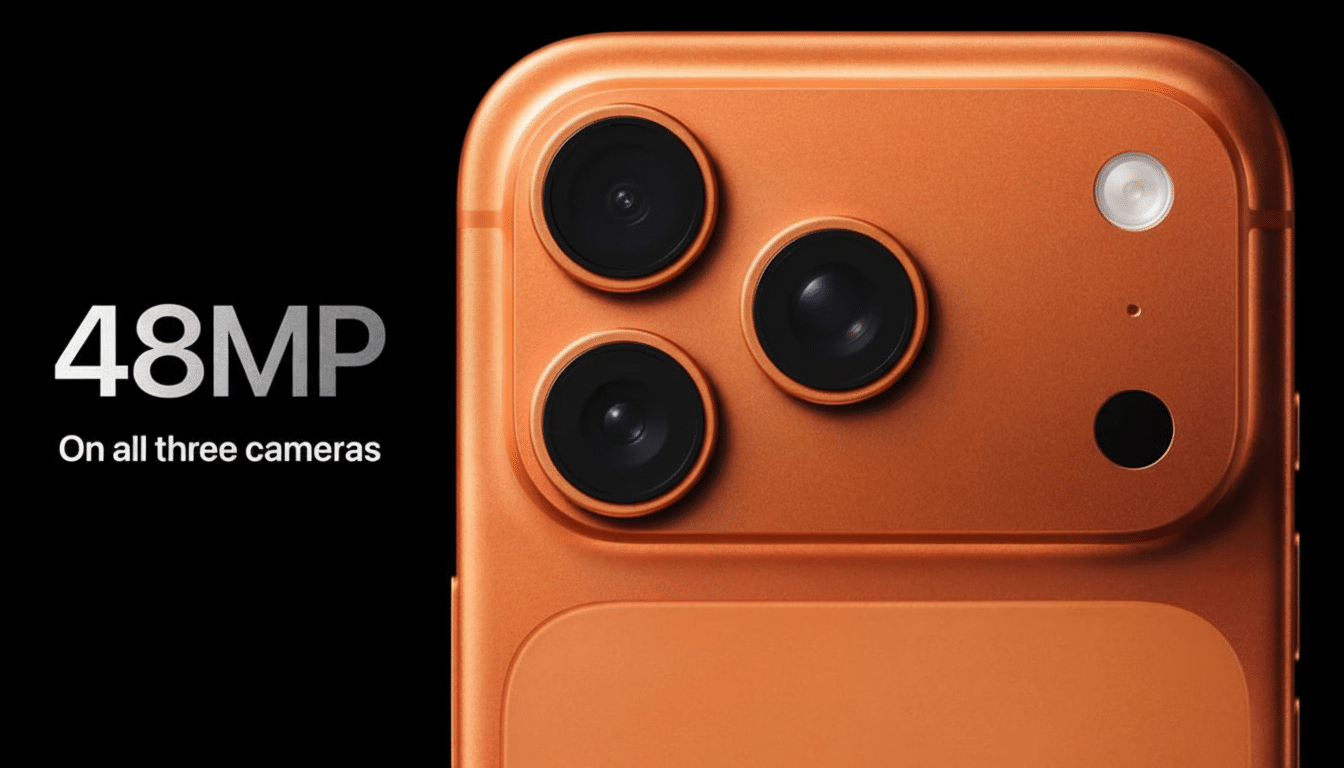
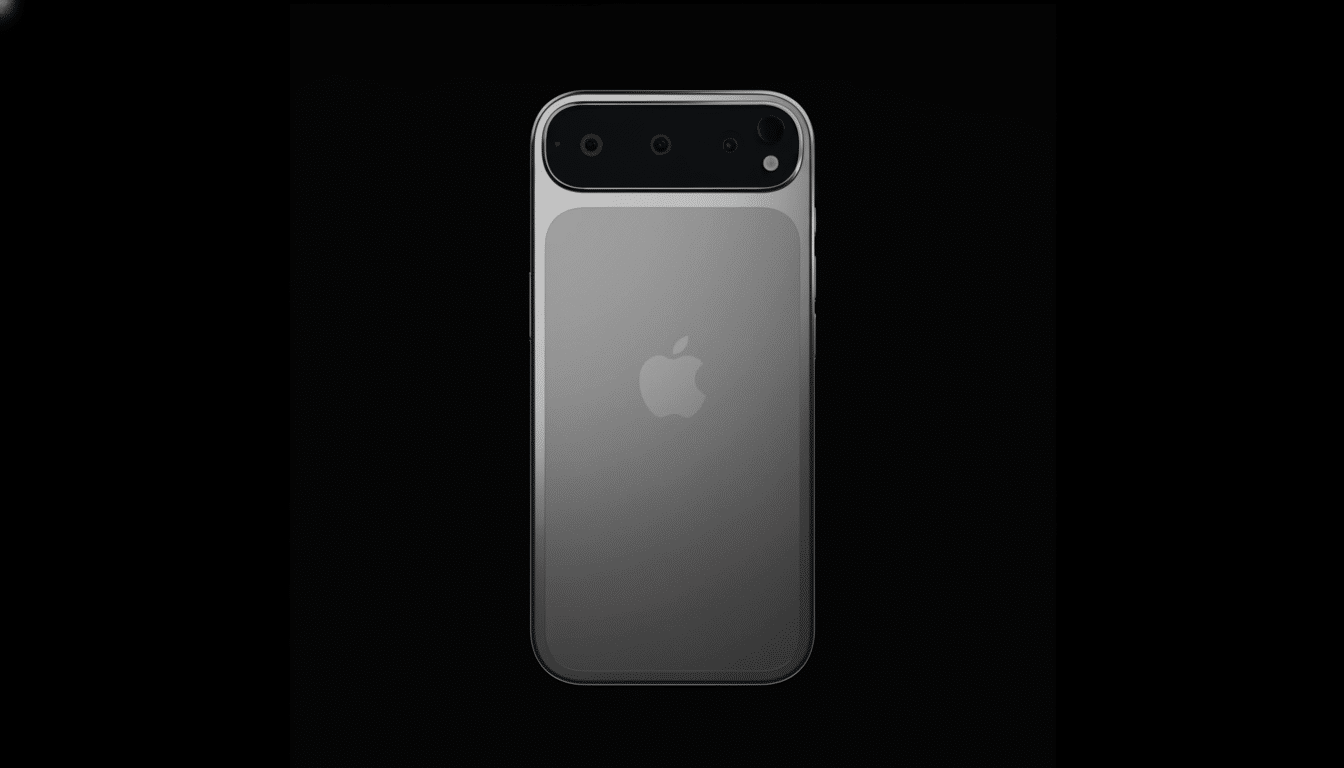
The camera is understated as well. Apple went with just a single rear lens, held in by a low-lying plateau that falls away until you see it from the side. It feels intentional — less about shouting “camera power” and more about maintaining the silhouette of the phone.
Ergonomics: Thin by Design for Better Balance
There’s sound engineering under the style. The weight distribution is even, so the phone doesn’t feel in danger of toppling over the way some multi-lens slabs can. That’s epitomized by the minimized camera bump: balance first, bulge later.
It is pocketability that’s the unheralded luxury here. Slipping the Air into tight jeans or a suit pocket doesn’t shimmy pockets out of shape or pull on fabric. If you commute, travel or just can’t stand the ever-so-slow creep of modern phones, this matters all day, every day.
Display and Speed: Flagship Performance Where It Matters
The Air also gets that smooth, liquid feel at the high end, thanks to an OLED panel with adaptive 120Hz refresh. Scrolling is buttery smooth, animations remain consistent, and touch response is instantaneous.
The color is accurate and bright to the eye. Apple’s top-end displays regularly receive the highest rankings in DisplayMate tests, and the Air looks every bit on that level. HDR video pops without overcooking skin tones — a longtime strength of Apple’s color calibration.
Technically, under the hood, the Air shares a core architecture with the Pro line of computers, and it shows. App launches are instantaneous, photo edits render fast, and there’s no stutter when jumping between processor-intensive tasks. Thermal performance has been unremarkable in early trials — remarkable given the thickness of the chassis.
One Camera, Smart Choices for Everyday Photography
Yes, there’s only a single camera on the back. For a lot of people, that won’t be a deal-breaker. Apple’s computational photography is mature enough that a wide sensor can produce confident shots across most lighting, with reliable skin tones and highlights under control.
If you dwell in ultrawide vistas or optical telephoto, you’ll still want a Pro. But for photos of the everyday — people and pets, food and city scenes — the Air’s minimal module sidesteps the visual bulk while hitting the quality marks that most users care about. There are portrait and night modes present, and subject detection is quick and sticky.
Battery Life and the Inescapable Physics of Thin Phones
On a phone this slender, battery life is the obvious trade-off. My early impressions are that the Air will be behind the Pro Max workhorse. Apple’s approach to accessories acknowledges that fact: There’s a reason MagSafe battery packs and svelte bumpers exist.
For a light-to-moderate user, you’ll probably get through a full day. Heavy users, travelers, or gamers should budget for top-ups. A bumper case strikes the best balance — protecting your edges, but keeping that sculpted feel. Previous testing by Consumer Reports has found that ultra-thin phones can be more susceptible to bending under strain, so a bit of caution is in order.
The X-Factor: Retail Appeal That Drives Desire
Design sells at first finger swipe. Design and in-hand feel are often among the top purchase drivers in the premium tier, according to Counterpoint Research, and the Air has been engineered to win that moment on a display table. It’s the Porsche next to a pickup truck — utility be damned, your eyes linger.
That doesn’t turn it into a vanity play. For lots of people, comfort, portability and a beautiful screen come before a third superzoom lens or marathon battery life. And then because performance isn’t penalized in daily use, the Air feels like a strong default for form-focused buyers who still want a fast, modern iPhone.
Bottom Line: A Beautifully Balanced Phone for Most Users
The iPhone Air is Apple doubling down on desirability — and getting it right. It’s the best-feeling iPhone in years. A sharp display, a supremely comfortable grip and high-quality materials sandwiched between stainless steel borders make rivals feel like water toys. Pro users still have a stake in this fight, but for everyone else it’s the Air that makes you smile every time you pick it up. That’s a spec you can’t really benchmark, but it might be the most important one of all.
