


Apple’s next iPhone event is close, and for most of us, the question isn’t so much if there’s a keynote, but when you can have an iPhone 17 in your grubby paws. For the most part, the company’s playbook is pretty reliable, which means that we have a decent window for preorders and the first day you can walk into a store and buy one.
The abridged version: preorders on the Friday that comes after the announcement, with retail availability the following Friday. In other words, there is usually a ten‑day lag between announcement and “day one” in stores.
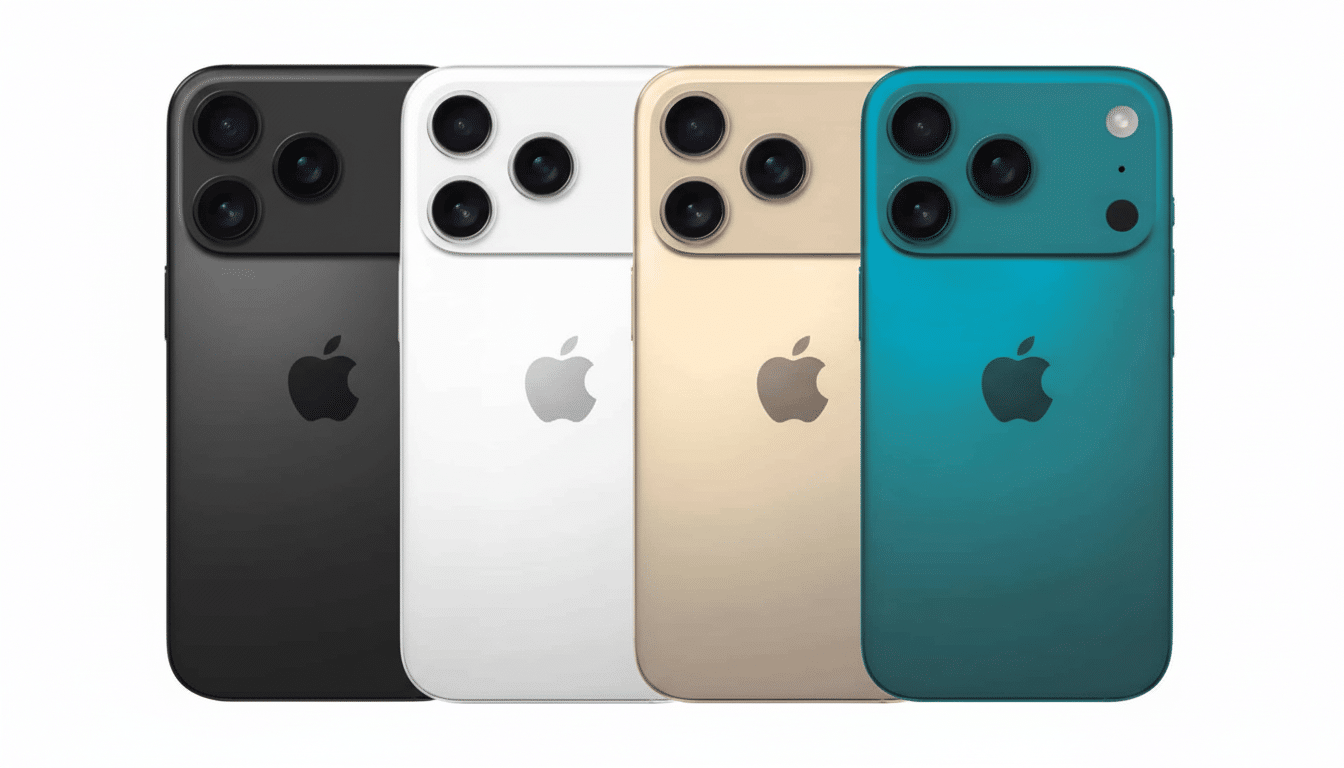
When to preorder and when to expect it to arrive
Apple also, almost always, flips the preorder switch at the end of the announcement week. Sales go live through Apple’s online store and app first, but soon after, major carriers and retailers have the phone available as well. One week later — again, on a Friday — the units will land on your doorstep and on store shelves. That Friday-to-Friday rhythm has been established for years and is unlikely to be broken for any operational reason unless there is a really good one.
Delivery estimates can slide by the minute for the most in-demand configurations, especially the largest Pro model and new or limited colors. If you are eager for day‑one delivery, consider the earliest windows to be the most likely to get clogged up and act accordingly.
What history tells us
The past few generations played out on a rhythm you could set your calendar to, in grand reveal mid‑week, preorder that Friday, delivery the next Friday. So far there have only been a couple of exceptions—Apple sometimes staggers models by a week or two, as has been the case for larger or specialty models in the past—but that’s usually when the ramps on supply or components differed.
Industry trackers like TrendForce and Counterpoint Research point out that Apple’s production runs ramp months before launch to meet that first‑wave goal. That said, demand can outstrip supply on certain models early on, which could push ship dates out a bit. Counterpoint’s data also supports the thesis that Apple is just killing it in the premium tier, with significant early-cycle demand for Pro models specifically.
Which models, and where they touch down first
Expect the typical lineup of four devices: a regular iPhone 17, a larger model and two Pro models at the high end. Multiple supply‑chain rumors as well have hinted at the bigger non‑Pro model being joined or replaced by a smaller and thinner higher‑end one, often described by analysts as “slim” or “air” tier (the name isn’t proven).
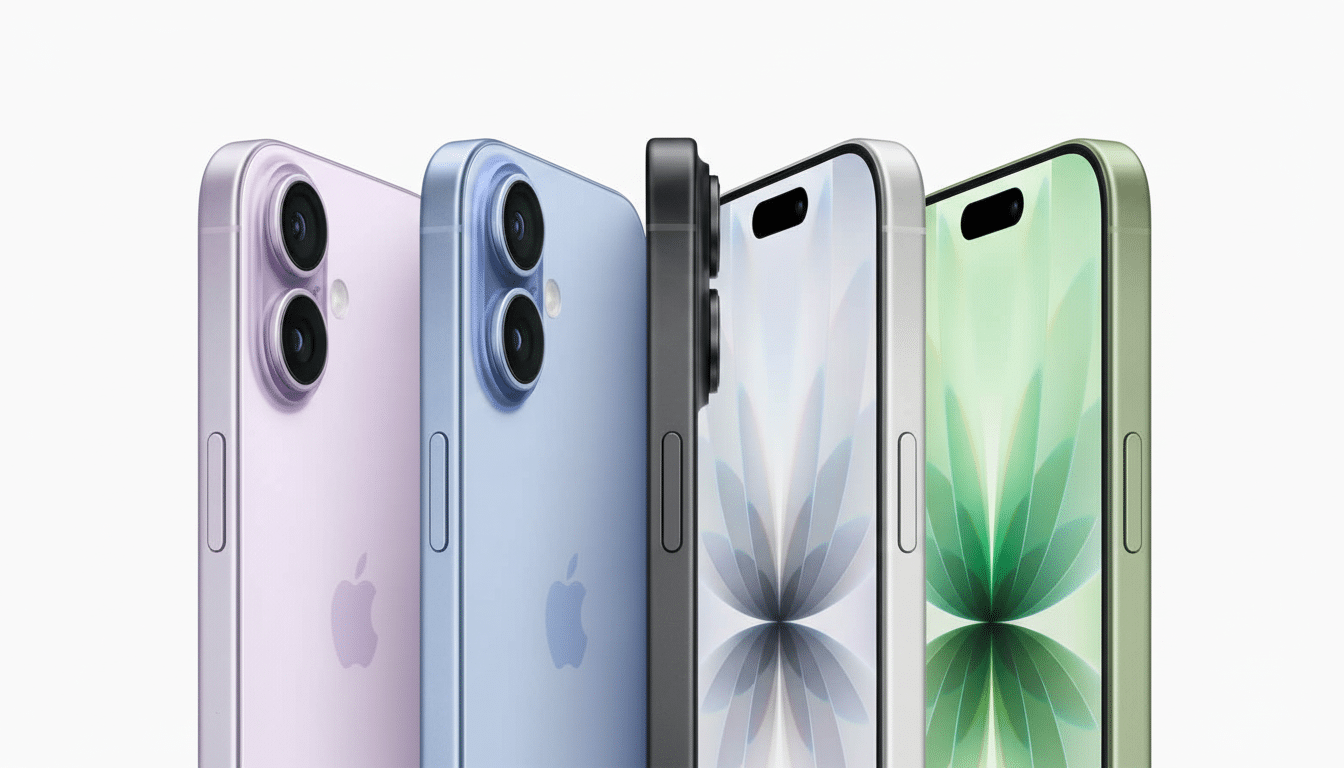
The first‑wave launch history has traditionally included the U.S., Canada, most of Europe, Australia, Japan, and a few other key markets, to be followed not long after by a second wave. If your country is normally part of Apple’s first batch, you can probably count on day-one retail availability; if it’s not, assume a brief wait as stock villages out.
How to get a day‑one delivery or pickup
Pre‑approve your purchase with the Apple Store app before orders begin—including your iPhone model, carrier choice (or unlocked eSIM), device color, storage, trade‑in, and payment option. You’ll be able to check out in seconds — not minutes — when preorders go live. Many times, that difference is the difference between launch‑day delivery and slipping to a later window.
Consider in‑store pickup. Apple usually segregates inventory directed at retail from its online stock and repeatedly allows pickup reservations even when the delivery date has slipped. Carriers also tend to offer robust trade‑in promotions at launch; just be aware that carrier systems have been known to get clogged (so have your account information and eligibility confirmed ahead of time).
Timing altering wildcards
A few potential factors can kick dates or model-specific availability. And also component limits like display panels or cutting‑edge camera modules can mean staggered releases. Local regulatory approval, if needed, could also bring short delays. Supply-watchers including Bloomberg’s tech team and companies such as IDC and TrendForce have pointed to how production diversification across China and India enables Apple to maintain the cadence even when local disruptions emerge.
The bottom line: If you’re angling for a launch-day iPhone 17, circle the Friday after the keynote (a day for preorders) and the Friday after that (a day for in‑store purchase and first deliveries). However it’s been the quickest keynote-to-pocket route historically, and your best bet for doing so again this year.
