


Major League Baseball and Apple are set to experiment with a radical idea: deploying the iPhone 17 Pro as part of a national broadcast for a high-stakes game between the Boston Red Sox and Detroit Tigers at Fenway Park. According to MLB.com, four iPhone 17 Pro cameras will be strategically placed around the ballpark, and viewers will see a distinct on-screen identifier when the feed is switched to an iPhone shot.
It’s certainly not a wholesale replacement of broadcast rigs. The iPhones will augment the chief camera plan, providing select angles when producers are looking for an intimate, cinematic vibe—think dugout reaction shots or player walk-ups, or crowd energy from the concourse—without getting in the way of the core play-by-play that viewers expect.
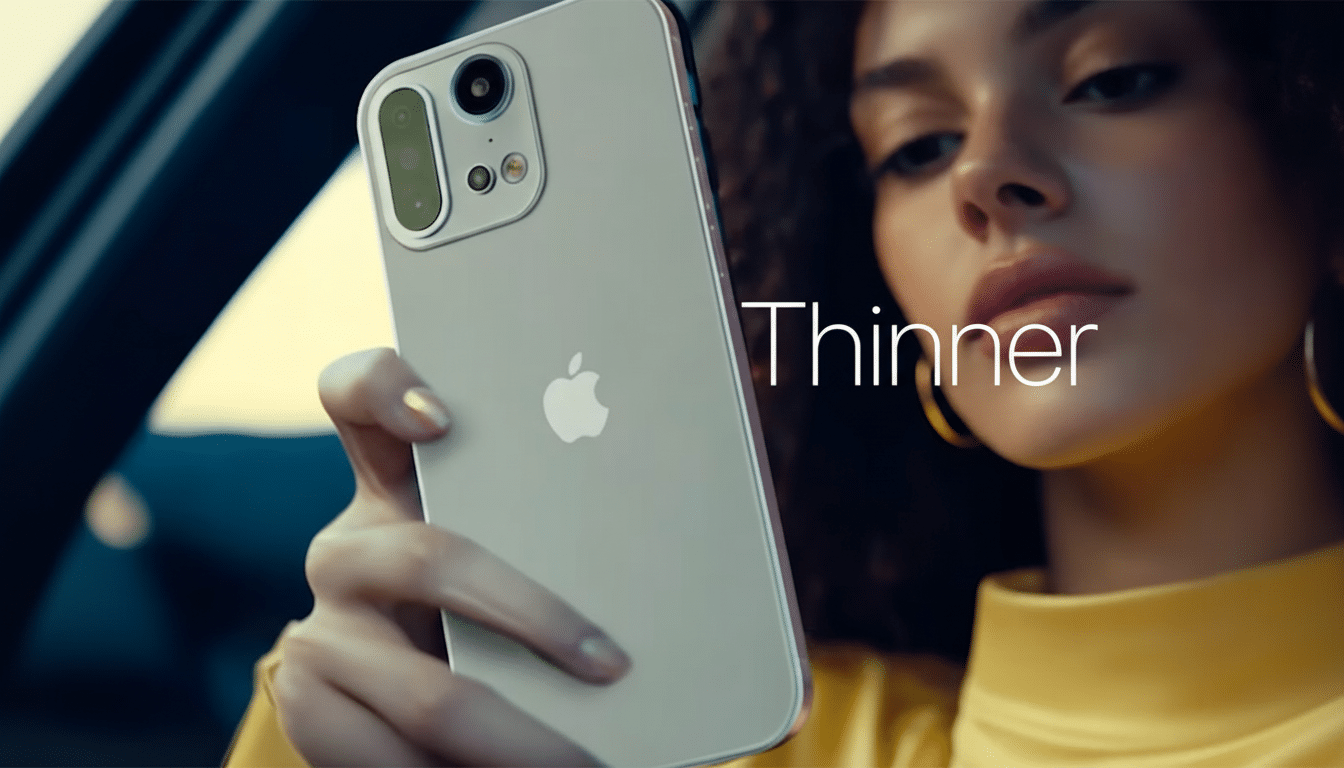
Why Apple Is Taking iPhones To The Field
ProRes and log recording options, robust stabilization, advanced computational noise reduction—it’s all been the subject of Apple’s years-long drive to make DPs choose the iPhone Pro line. The pitch to sports producers is simple: These phones can be shoved into tight spots, operated from ground level, and deliver shots that feel personal without the need for specialized rigs.
Smartphones have already shown their stuff in scripted and commercial work—feature films and big-brand ads have been shot on iPhone—so live sports is the next logical stress test. The trick is not to do with pure image quality, but a matter of workflow: finding a clean, time-aligned, low-latency signal into some broadcast pipeline at scale.
How the iPhone-powered MLB broadcast will work
Production teams can bring in smartphone video in several ways: via bonded 5G transmitters from companies such as LiveU or TVU Networks for optimal mobility, or using hard-wired USB‑C‑to‑SDI paths for stability when the scene remains fixed. From there, the signals feed into the truck with all of the main camera feeds, and technical directors can cut them in like any other source and turn them over to replay.
Anticipate iPhone angles to have particular success when the action rewards proximity and motion—bench reactions, fan celebrations, bullpen shots, and such—or quick low-angle looks that traditional cameras can’t get to quickly enough to capture.
The heart of the action (pitches, tags, bang-bang plays) will still depend upon the broadcast workhorses—long lenses, high frame rates, and stacks of deep replays. MLB says there’ll be an on-screen graphic so you know when you’re looking at an iPhone-driven view.
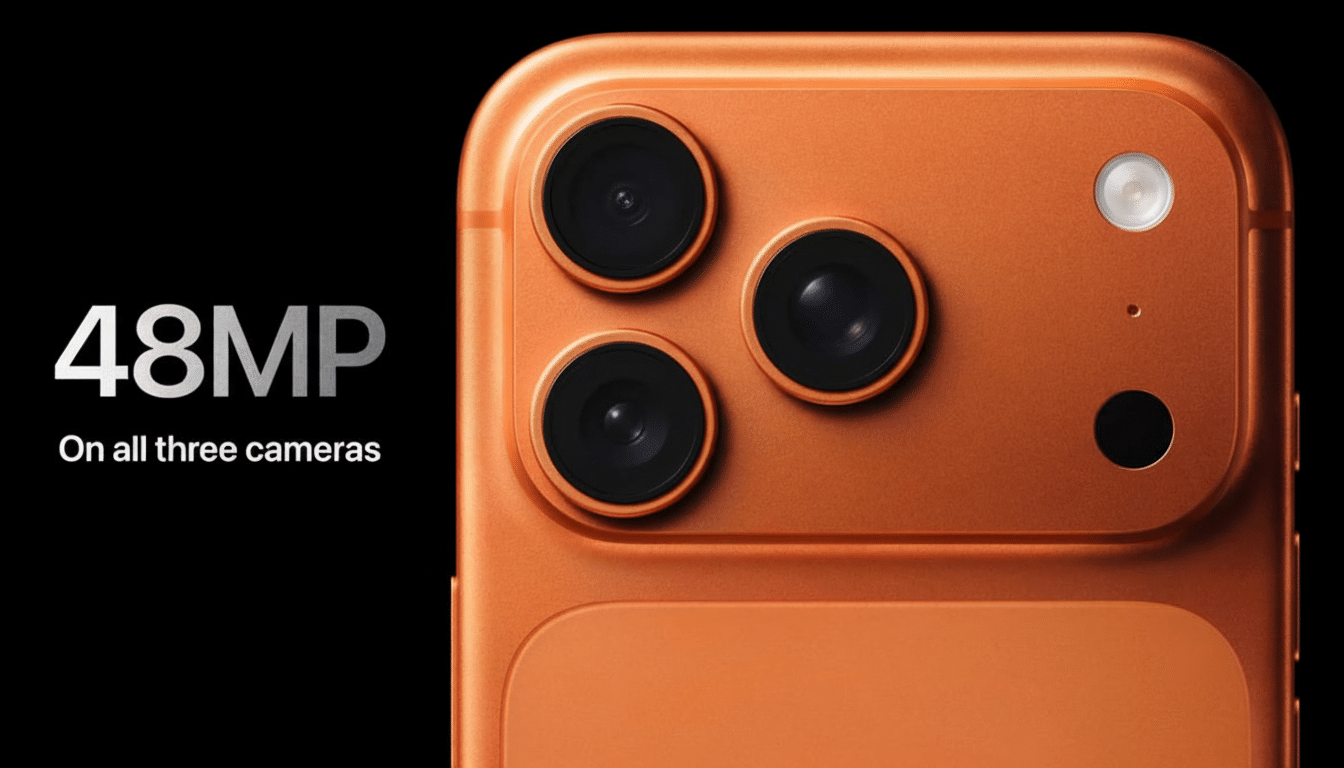
What it means for fans and the sports broadcast industry
For the audience, the upside is immediacy. Many fans are accustomed to handheld, up-close video on social platforms; incorporating the look and feel of that aesthetic into a premium stream can make the broadcast feel more immersive without sacrificing the polish of a national telecast. Nielsen has announced a kind of steady swell in streaming viewing for live sports, and producers are responding by expanding the range of camera perspectives that they provide.
For the industry, the appeal is flexibility and cost.
Some smartphone camera placements could provide variety without the footprint that more broadcast cameras would require, and yet there are real issues: battery life management, thermal constraints under bright stadium lights, wireless spectrum congestion, matching up to replay systems in time with others. Standards organizations like SMPTE have been leading the advance toward IP-based workflows (think ST 2110) that will smooth integration of non-traditional sources, and vendors are pushing ahead with mobile-friendly contribution tools demonstrated at NAB Show. Apple, for its part, is overtly wooing broadcast professionals by demonstrating that its phones can be easily fitted into live production workflows with no friction.
The stakes on the field for Red Sox vs. Tigers test
This isn’t a low-pressure trial. Boston–Detroit: A pair of playoff hopefuls go head-to-head in the Motor City this weekend—and with both teams jockeying for position, every pitch will count and tension should be high. Detroit hit rough patches after a strong start, while Boston has been clawing its way back into the mix—giving narrative juice to what is already a high-visibility test for Apple’s mobile capture.
If the iPhone 17 Pro segments click—sharp images, smooth motion, clean handoffs to replay—don’t be shocked to see more phones nestled in ballparks around the league. In recent years, Major League Baseball has been somewhat of a trendsetter when it comes to production innovation, whether that’s with Statcast and Hawk-Eye tracking cameras, miking players up, or otherwise simplifying the work environment of game producers. But ultimately a phone on the broadcast ladder is also just… well, the next step for any of us to take—especially when that moment demands a perspective only a pocket-sized camera can see.
