


I spent a full day living with the standard iPhone 17, and for the first time in years I’m actually wondering (before my review, of course) if that Pro model still deserves its premium. The mainstream phone for people who had no business owning the elite features, at least not in reason or information. The gap is already so small that most people — maybe the vast majority — won’t notice what they’re “missing.”
A display that finally feels Pro on the standard model
The obvious upgrade is an easy one: a 120Hz ProMotion screen on the baseline model. Scrolling is downright silky, animations snap instead of slow and text glides as opposed to judders. If you’ve been on 60Hz, it’s an instant hit of improvement; if you’re switching from a Pro, you won’t notice the lack. The panel also grows just a tad to 6.3 inches, with slimmer borders, and has a claimed 3,000 nits of brightness outdoors — when you’re looking at maps at high noon. External labs like DisplayMate have long correlated increasing peak brightness with improved HDR legibility, and for the first time the “regular” iPhone actually belongs in that company.
Durability gets a quiet bump, as well. According to the company, Apple’s Ceramic Shield 2 cover glass provides even greater scratch resistance. I can’t vouch for how well this wear will hold up a year from now, but after 24 hours of pockets, keys and a messily cleaned coffee shop table, the screen still looked pristine. That’s not scientific, just reassuring.
Smarter cameras, especially in the front
The 18MP front-facing camera is the surprise success here. It accommodates Center Stage and a broader field of view, and it can dynamically flip orientation — so that a vertical hold results in a horizontal frame when it detects an ensemble at the ready, say. It saved us from the clunky “everyone squeeze in” dance on more than one occasion. You can manually override this behavior, but generally the AI is right. It’s the sort of helpful intel that testing outfits like DxOMark often yield: Better framing trumps raw megapixels for most casual snaps.
On the back, the 48MP Fusion main and 48MP Fusion ultra-wide replace the older 12MP ultra-wide baseline. Detail and color accuracy seem enhanced in, well, the daylight with more texture on inside foliage and clothing. Night shots are cleaner, based on my quick comparisons to last year’s base model, and the larger pipeline apparently helps retain more highlight detail in neon-lit scenes. If you don’t rely on a telephoto lens, the standard iPhone 17 confidently captures the moment.
Performance and battery life: plenty for most
Apple’s A19 silicon cooks along, too — apps generally pop right open, the camera launches in a flash and games maintain steady frame rates. The real-world win is efficiency. Apple claims the battery will last up to 30 hours of video playback, and my especially punishing day — navigating around town, taking photos, toggling between Slack and short-form video app SavvyCal for work appointments — ended without a mad scramble for an outlet. That falls well within what the average commuter and student require. The Pro’s vapor chamber and A19 Pro silicon should provide better sustained performance across long gaming sessions or video exports; however, I didn’t feel constricted outside of endurance workloads.
Finally, a syncing of storage options and value
The entry-level iPhone 17 begins with 256GB for $799. That matters. Cloud is a lifesaver and all, but at the same time 4K clips, offline playlists and big games remain relentless. Market trackers like CIRP and Counterpoint Research have recorded a gradual shift by buyers toward higher-capacity phones in recent years, and this is all happening where users’ behavior already lies. It shifts the price conversation, too: A lot of people last year shelled out extra simply to avoid 128GB; now — ouch! — you won’t need to, since the sweet spot is baseline.
Factor in that brighter 120Hz display, better cameras and more-efficient chip, and the base model seems less like a compromise and more like the one-size-fits-most choice for most buyers. That’s the classic “good enough” that is more than good enough.
Who still needs the Pro, and why it might matter
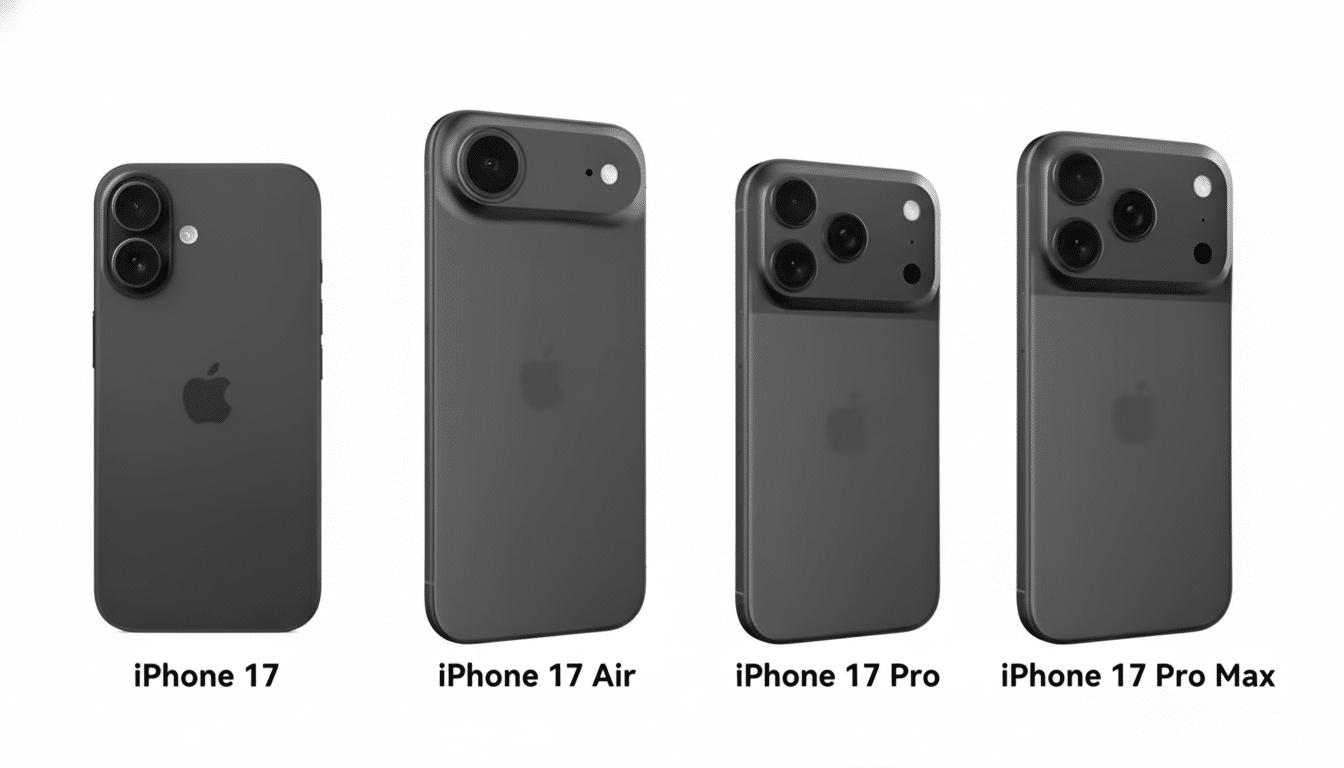
If your workflow lives at the edge — 4K60 recording with all the fancy codecs, subsequent video editing marathons, hours of gaming or you just want a little more thermal headroom — the Pro is still the tool of choice. Apple also keeps its most specialized camera features and the highest-end silicon for that tier, which creators and power users will appreciate.
For the rest of us, the iPhone 17 fills in so many historical gaps that the Pro’s benefits feel like they could be niche rather than a need. Twenty-four hours in, the surprise is not that the Pro is excellent; it’s that the standard model has finally stolen its best tricks — and does so at a price and storage tier that makes sense both now, in 2025, and beyond.
In light of broad industry trends — premium features making their way down the lineup, as you can see in reports from companies like Counterpoint Research — this iPhone 17 sounds just right for the masses. If you’ve been indoctrinated to “go Pro” on reflex, this is the year to question that impulse.
