


The television landscape has undergone a significant transformation over the past decade, with Internet Protocol Television (IPTV) emerging as a key driver of this change. Unlike traditional broadcast methods such as cable, satellite, or terrestrial TV, ip tv delivers television content directly through internet networks, providing flexibility, interactivity, and scalability. Recent data shows that global IPTV subscriptions exceeded 140 million in 2023, with a projected annual growth rate of over 10% in the coming years. This rise reflects shifting consumer preferences toward on-demand and personalized viewing experiences.
IPTV technology enables a broad range of devices—including smart TVs, computers, tablets, and smartphones—to access television programming anytime, anywhere. This level of accessibility has made IPTV an attractive alternative to traditional TV, especially for younger demographics who prefer mobile and digital-first media consumption. As broadband infrastructure continues to expand globally, the adoption of IPTV services is expected to accelerate, offering both consumers and service providers a flexible, cost-effective solution.
- How Does IPTV Work and Why Is It Efficient?
- What Are the Different Types of IPTV Services?
- How Is IPTV Shaping Viewer Behavior?
- What Are the Technical Requirements for IPTV Deployment?
- How Does IPTV Compare to Traditional Television?
- What Are the Challenges Facing IPTV Services?
- How Are IPTV Trends Evolving Globally?
- Why Is IPTV Considered the Future of Television?
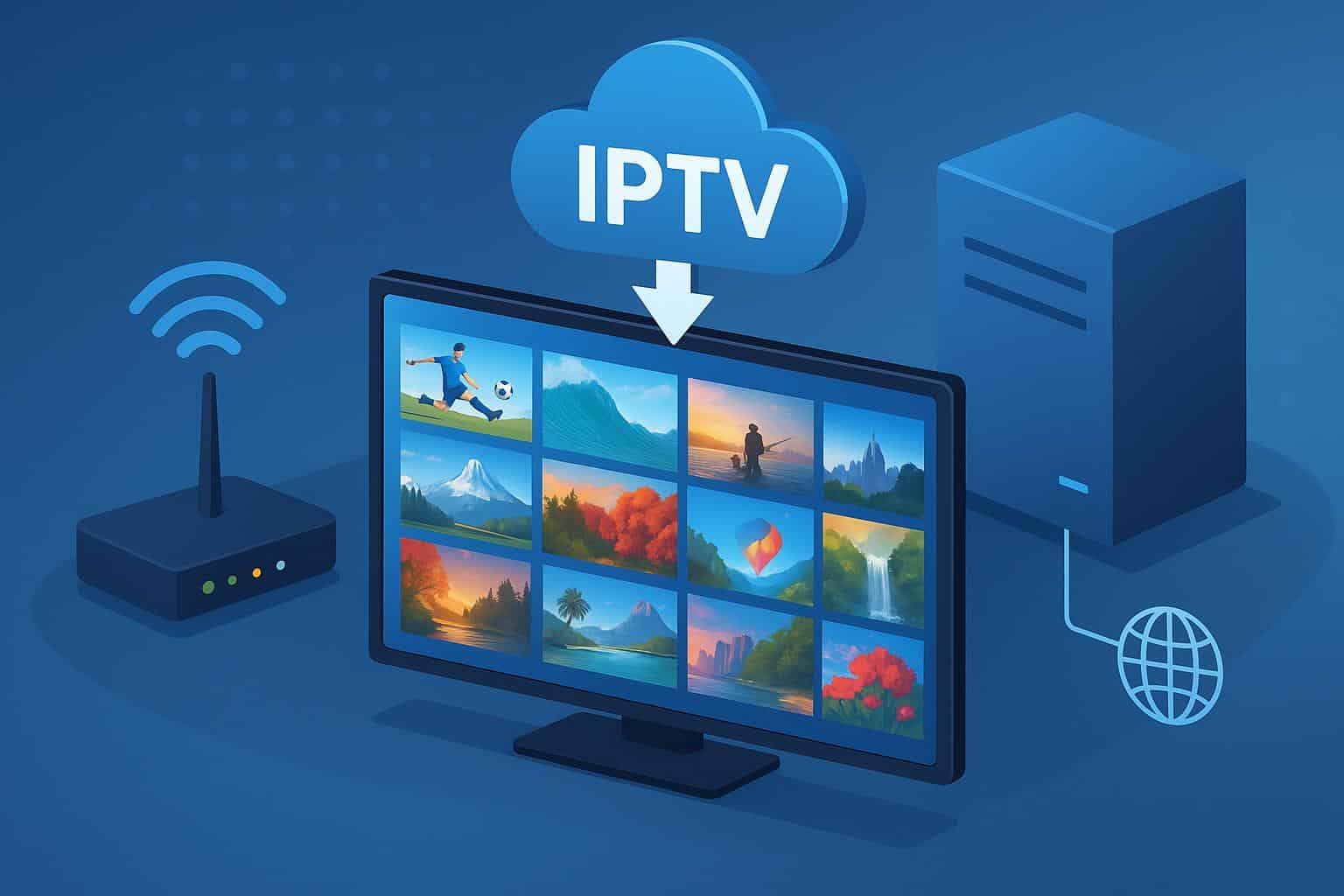
How Does IPTV Work and Why Is It Efficient?
At its core, IPTV operates by transmitting television content over internet protocol (IP) networks instead of traditional satellite or cable channels. The process involves converting audio and video content into digital packets, which are then streamed to end-users via broadband connections. This digital delivery system provides several advantages:
- On-Demand Access: Unlike traditional TV, viewers can choose what they want to watch and when.
- Interactive Features: IPTV platforms offer pause, rewind, fast-forward, and multi-language options, enhancing user control.
- Scalability: Internet delivery allows service providers to add new channels and services without significant infrastructure investment.
- Multi-Device Support: Content can be accessed on multiple devices simultaneously, accommodating modern, mobile lifestyles.
Statistics highlight the efficiency of IPTV: studies show that households using IPTV report a 25–30% higher engagement rate due to on-demand availability and interactive features. Adaptive bitrate streaming, which adjusts video quality based on network conditions, also reduces buffering and enhances user satisfaction.
What Are the Different Types of IPTV Services?
IPTV services are generally categorized into three main types:
- Live Television: Real-time broadcasting of traditional TV channels via internet networks. According to recent surveys, live IPTV viewership accounts for nearly 50% of total IPTV consumption globally.
- Video on Demand (VOD): A service allowing viewers to watch movies, TV shows, and other content at any time. Reports indicate that VOD accounts for roughly 35% of IPTV usage, with demand increasing steadily.
- Time-Shifted TV: Features such as catch-up TV and start-over TV enable users to watch programs they may have missed. Time-shifted services account for about 15% of IPTV viewership, providing convenience without altering broadcast schedules.
How Is IPTV Shaping Viewer Behavior?
The adoption of IPTV has significantly influenced how audiences consume television. Data shows that viewers using IPTV platforms spend an average of 3–4 hours per day streaming content, comparable to traditional TV viewing but with enhanced flexibility. Mobile and tablet usage accounts for nearly 40% of IPTV access, reflecting a trend toward multi-device consumption.
Interactivity is another critical factor. Viewers increasingly engage with features such as program guides, personalized recommendations, and content bookmarking. Surveys indicate that users who actively interact with IPTV interfaces are 20–25% more likely to explore additional content, enhancing platform engagement and retention.
What Are the Technical Requirements for IPTV Deployment?
IPTV relies on several technical components to deliver reliable and high-quality content:
- High-Speed Broadband: A minimum connection speed of 10 Mbps is recommended for HD streaming, while 25 Mbps or higher is required for 4K content.
- Content Delivery Networks (CDNs): CDNs reduce latency and buffering by distributing content to servers closer to end-users.
- Middleware Platforms: These systems manage subscriber access, content distribution, and interactive services.
- Set-Top Boxes and Apps: Devices and software applications decode the digital stream for viewing on TVs, computers, and mobile devices.
Statistical analyses indicate that IPTV platforms utilizing adaptive streaming and robust CDN infrastructure experience up to 40% fewer playback interruptions than services without these technologies, reinforcing the importance of technical optimization.
How Does IPTV Compare to Traditional Television?
Compared to cable and satellite TV, IPTV offers several advantages:
- Cost Efficiency: Lower infrastructure costs allow providers to offer competitive subscription packages.
- Flexibility: Viewers are no longer constrained by fixed schedules or channel packages.
- Personalization: AI-powered recommendations and user profiles enable tailored content suggestions.
- Global Reach: IPTV allows service providers to deliver content across geographic boundaries without physical limitations.
Market data indicates that households switching from traditional TV to IPTV report higher satisfaction rates due to these benefits. About 70% of new IPTV subscribers cite convenience and flexibility as primary reasons for the switch.
What Are the Challenges Facing IPTV Services?
Despite its advantages, IPTV faces several challenges:
- Bandwidth Dependency: Poor internet connections can affect video quality, causing buffering and interruptions.
- Piracy Risks: Digital content is vulnerable to unauthorized access, necessitating robust encryption and DRM solutions.
- Content Licensing: Negotiating regional content rights can be complex, especially for international programming.
- Competition from OTT Services: Streaming platforms like Netflix, Disney+, and others compete for the same audience, requiring IPTV providers to offer differentiated services.
Statistics show that service providers investing in CDN optimization, adaptive streaming, and user experience improvements see retention rates up to 20% higher than those without such enhancements.
How Are IPTV Trends Evolving Globally?
The global IPTV market continues to expand rapidly. Research forecasts indicate that IPTV subscriptions will surpass 200 million by 2027, driven by broadband expansion, smart TV penetration, and mobile device adoption. Advanced technologies, such as 4K/8K streaming, cloud DVR, and AI-driven recommendations, are enhancing viewer engagement and personalization.
Moreover, hybrid IPTV models combining live channels, VOD, and interactive features are emerging as the preferred solution for digital consumers. Analytics reveal that hybrid IPTV users are 30% more likely to explore additional services, including gaming, social media integration, and personalized advertising.
Why Is IPTV Considered the Future of Television?
IPTV represents the convergence of internet technology and traditional television, offering unprecedented flexibility, interactivity, and personalization. Statistics confirm that IPTV users enjoy higher engagement, lower churn rates, and a more satisfying viewing experience. With continued innovation in broadband, device compatibility, and content delivery, IPTV is set to redefine television access worldwide.
In conclusion, IPTV technology is not merely a new method of delivering television—it is a transformative solution that aligns with modern viewing preferences. By enabling on-demand content, interactive features, and multi-device access, IPTV is revolutionizing how audiences consume media. As the technology matures and adoption increases, it is poised to become the dominant mode of television delivery, offering both service providers and consumers a future-ready, internet-enabled entertainment ecosystem.
