


Reports of an iOS 26 boycott make for punchy headlines, but the data behind those claims is shakier than it looks. A quirky Safari bug is mislabeling many updated iPhones as running older software, muddying adoption charts and inflating the narrative that users are sitting out Apple’s latest release.
Yes, iOS 26 has sparked heated debate. The Liquid Glass aesthetic has divided design diehards, the new checkmark placement has tripped up muscle memory, and some users say battery life took a hit. But low adoption figures circulating this week are heavily influenced by a reporting glitch rather than a mass refusal to upgrade.
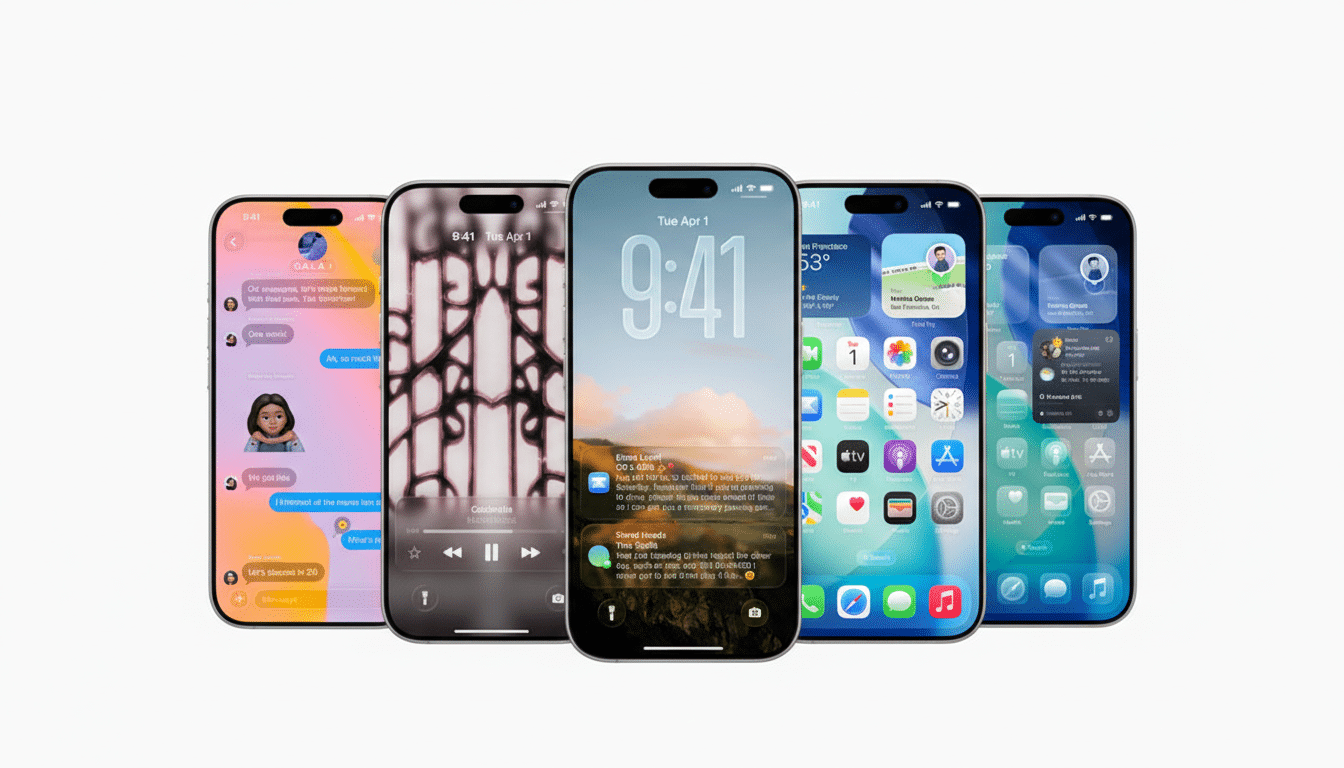
Why Adoption Trackers Are Getting It Wrong
Popular web analytics platforms infer a device’s operating system from its browser user agent. That becomes a problem when Safari misreports. Developer Nick Heer flagged that affected iPhones are identifying themselves as running iOS 18.7, which means visits from fully updated devices can be counted as older software in services like StatCounter.
Scale matters here. StatCounter notes Safari accounts for roughly 51% of mobile browsing in the US, and independent analysis estimated the browser passed 1 billion users globally in 2022. If Safari is telling the wrong story about iOS versions, a huge slice of real-world traffic is being misclassified—enough to make otherwise reliable dashboards show an adoption slump that isn’t actually happening.
That’s why you’re seeing charts that peg iOS 26.2 under 5% and iOS 26.1 around 10%, with the rest supposedly stuck on iOS 18. The moment a significant share of traffic is labeled incorrectly, those numbers stop reflecting reality and start reflecting a bug.
What the Real Uptake Likely Looks Like for iOS 26
Historically, iOS adoption is brisk. Apple’s developer resources have repeatedly shown new releases capturing a majority of active devices within weeks on recent hardware, a pace backed by third-party telemetry from firms such as Mixpanel. That consistency is driven by automatic updates, fast carrier approvals, and strong developer incentives to target the latest SDK.
Early market signals align with that pattern. Major developers across productivity, camera, and messaging categories have shipped iOS 26–specific updates, a move they rarely make unless the active base is already sizable. Enterprise IT advisories also point to standard rollout timelines rather than widespread deferrals.
The Backlash Is Real but Not a Boycott of iOS 26
Design changes often land with a thud before they settle. Liquid Glass is visually assertive, and small interface tweaks—like altered checkmarks—can feel bigger than they are when they break habits. Battery complaints tend to spike after major updates as indexing and background processes run, then taper as the system rebalances; Apple’s release notes frequently cite follow-up patches that smooth performance and power use.
Even amid grumbling, iPhone owners rarely skip core updates en masse. Security patches, compatibility with banking and workplace apps, and feature locks behind the newest OS keep most users moving forward. Sentiment can be negative while adoption stays high—both can be true at the same time.
How to Read the Numbers Until It’s Fixed
Expect Apple to correct the Safari user agent error in an upcoming point release, at which point web-based dashboards will lurch upward. Until then, triangulate. Compare web analytics with in-app telemetry, crash reports tagged by OS version, and developer SDK adoption. If those internal signals climb while browser-based charts stall, you’re looking at measurement noise, not user revolt.
The takeaway is straightforward. iOS 26 is polarizing on style, but the supposed adoption cliff is largely a mirage created by a browser bug at massive scale. Reserve judgment on the “backlash” narrative until the reporting is fixed and the data can stand on its own.
