


A tiny Japanese macaque named Punch has become the internet’s newest underdog, capturing hearts as he snuggles a stuffed orangutan at Ichikawa City Zoo in Chiba. Rejected by his mother shortly after birth and hand-reared by keepers, the baby’s constant embrace of his plush companion has turned into a viral symbol of resilience—and a rallying point for millions of onlookers rooting for him to thrive.
A Tender Bond Built on Survival Between Punch and His Toy
Keepers say Punch rarely lets the toy—nicknamed Oran Mama—out of his grip. He holds it while he sleeps, totes it around the enclosure, and buries his face in it when startled. That behavior isn’t just cute. For an infant raised by humans, a soft surrogate can offer a bridge to the comfort and security a mother would provide, especially during early attempts to integrate with a troop.
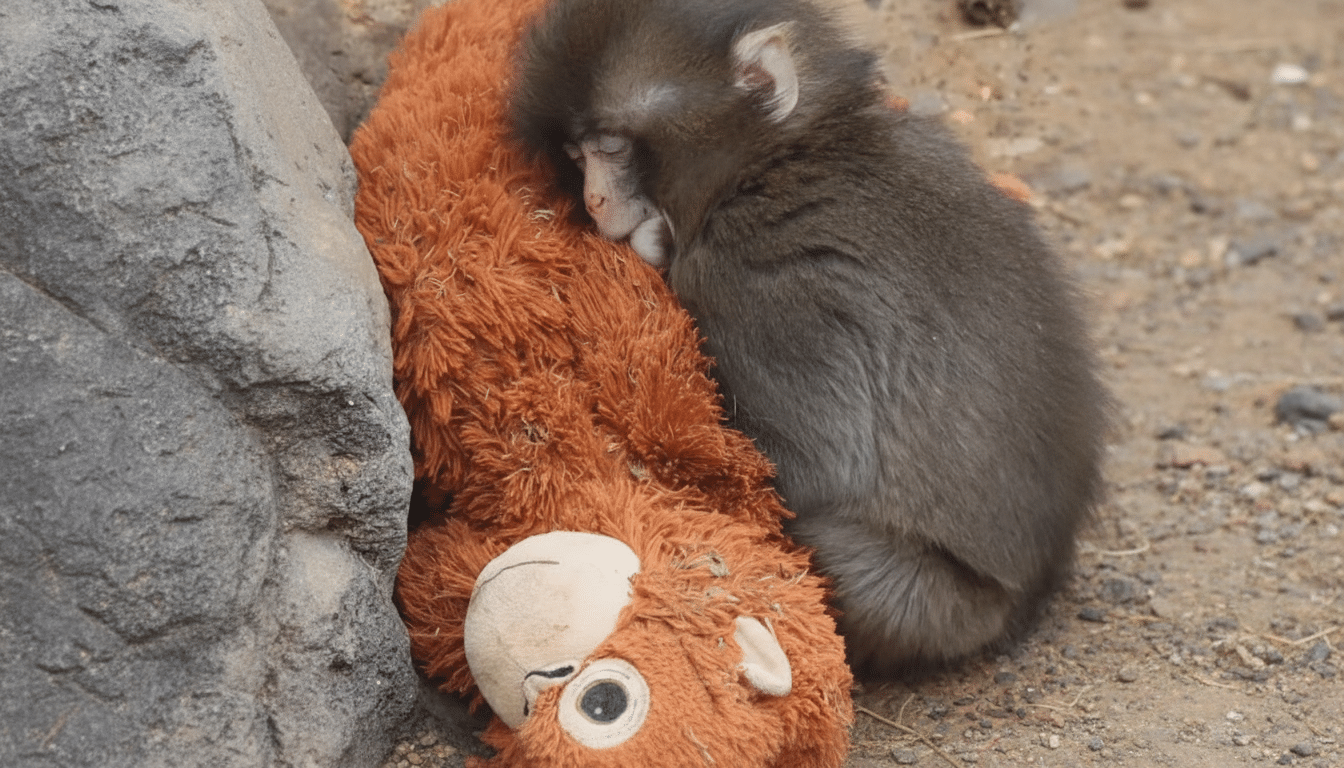
According to recent updates from Ichikawa City Zoo’s social channels, Punch is starting to make social gains: tentative grooming, playful pokes, and even a few scoldings that indicate he’s being noticed and learning the rules of macaque society. For now, the plush is his safety net as he navigates the politics of a tight-knit, often hierarchical group.
Why a Stuffed Animal Can Calm a Primate Under Stress
Primatologists have long documented the power of tactile comfort in stress reduction. Decades of research—from Harry Harlow’s controversial but foundational attachment studies to modern enrichment guidelines from the Association of Zoos and Aquariums—show that soft surrogates and familiar objects can stabilize heart rate, reduce stress behaviors, and encourage exploratory play in young primates when maternal care is absent.
Japanese macaques are intensely social, and infant development hinges on contact, grooming, and observation. In that context, Oran Mama isn’t a toy so much as a transitional object. It gives Punch a predictable point of contact while he practices species-typical behaviors—clinging, carrying, seeking comfort—that he’ll eventually redirect toward real troop mates as his confidence grows.
From Timelines to Turnstiles: Online Buzz Draws Crowds
Clips of Punch hugging Oran Mama have ricocheted across X and Instagram, inspiring fan art, supportive comments, and the Japanese hashtag #がんばれパンチ, roughly “Hang In There, Punch.” That attention is spilling into the real world. The zoo has reported surges of visitors eager to see the pair in person, a pattern seen before with beloved animal stories—from Fiona the hippo in Cincinnati to orphaned otters rehabilitated on the U.S. West Coast.
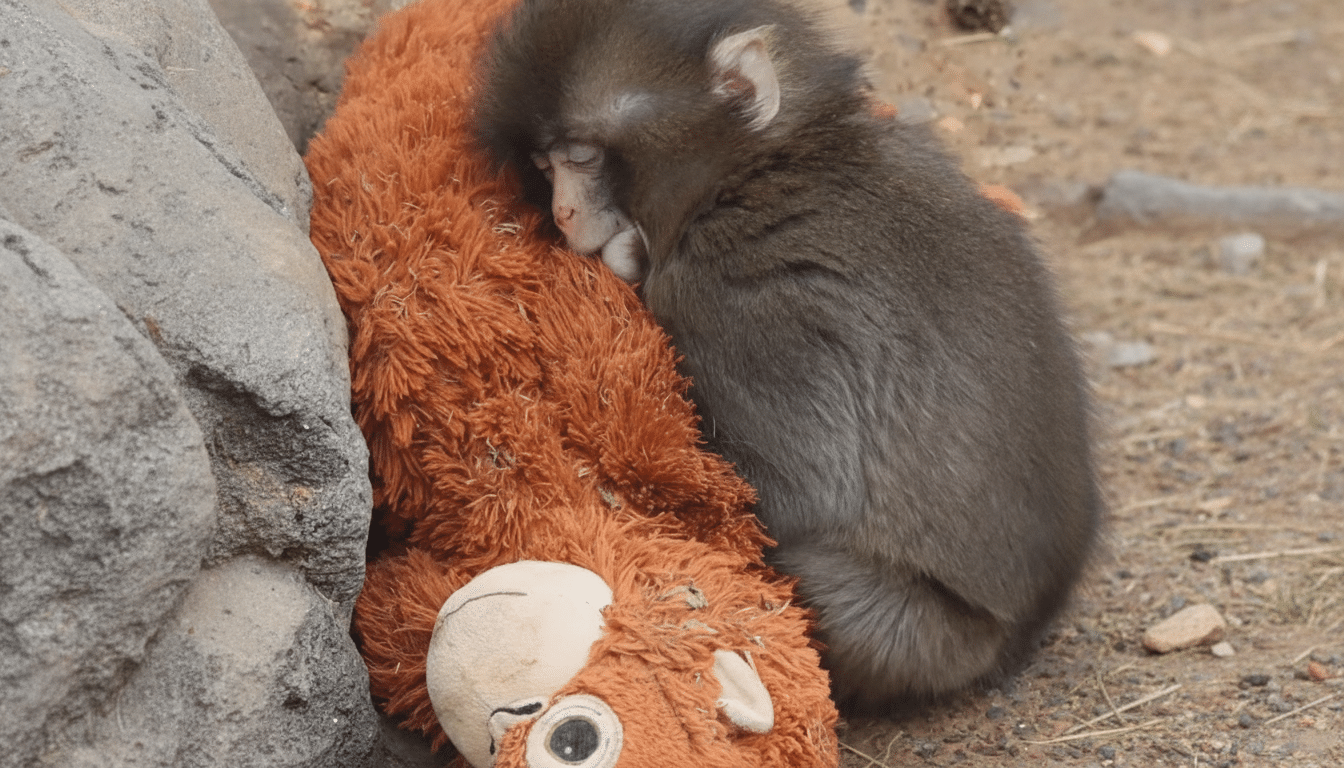
While the spotlight can help fund care and public education, animal-welfare groups note that facilities must balance visibility with calm, predictable routines for youngsters like Punch. Many accredited zoos pace introductions, limit noise, and provide retreat spaces so that animals can control their exposure—a key factor in reducing stress spikes during social integration.
Rejoining the Troop Takes Time and Careful Supervision
Reintegrating an orphaned macaque is a careful choreography. Best practices cited by the Primate Society of Japan and international zoo associations include gradual “howdy” phases through barriers, monitoring of grooming and play invites, and allowing short, supervised contact sessions that expand as tolerance builds. Scoldings, while jarring to watch, can signal that the group is teaching boundaries—a normal step in acceptance.
Not every introduction succeeds on the first try. Juveniles may need multiple attempts across weeks or months, and comfort objects often remain in the picture until social bonds are strong. For Punch, the metric that matters isn’t viral views—it’s consistent feeding, normal sleep and play cycles, and a steady uptick in positive interactions with peers.
A Small Face of a Bigger Animal Welfare and Care Story
On the conservation front, the Japanese macaque is listed as Least Concern on the IUCN Red List, yet welfare remains a live issue. Human–wildlife conflict, shifting habitats, and varying local policies can affect troop stability and infant outcomes. Cases like Punch’s spotlight the role of zoos and sanctuaries in rescue, rearing, and public education about species-appropriate care and enrichment.
What makes Punch’s story resonate online is its universality: a small primate, clutching a stand-in for family, trying to find his place. The internet may be fickle, but its collective hope can translate into something lasting—more attention to the science of care, more resources for accredited facilities, and a deeper understanding that for social animals, comfort and connection aren’t luxuries; they’re lifelines.
