


Instapaper is preparing to move its popular Send to Kindle capability behind its Premium subscription, a shift the company attributes to the ongoing costs of Amazon’s email-based delivery system. Users report receiving notices about the change, and an Instapaper representative confirmed the plan in a Reddit discussion, framing it as a sustainability decision rather than a feature retreat.
The move matters because Send to Kindle is central for many who prefer reading long-form articles on E Ink devices. Instapaper Premium is priced at $5.99 per month or $59.99 per year, and the company appears ready to use this paid tier to underwrite a feature that’s computationally and operationally heavy.

Why Send to Kindle Is Being Paywalled by Instapaper
Instapaper’s team said the Kindle pipeline demands considerable resources: articles must be parsed, images fetched, content written to disk, packaged into an ePub, and then emailed to each user’s unique Kindle address. That chain involves server time, storage, and third-party email costs, all of which scale with usage.
Compounding the load, Amazon’s Personal Documents system has evolved, including a shift toward ePub support and stricter handling of attachments, which makes reliable delivery more complex. While Kindle users don’t pay Amazon for personal document delivery, services like Instapaper absorb processing and messaging overhead on their end.
What Changes for Kindle Readers Under Instapaper
Free-tier users will lose automatic delivery and digest email options to Kindle, though they can continue saving and reading inside Instapaper’s apps and web interface. Premium subscribers will retain Send to Kindle alongside other perks such as full-text search, unlimited notes, and a permanent archive.
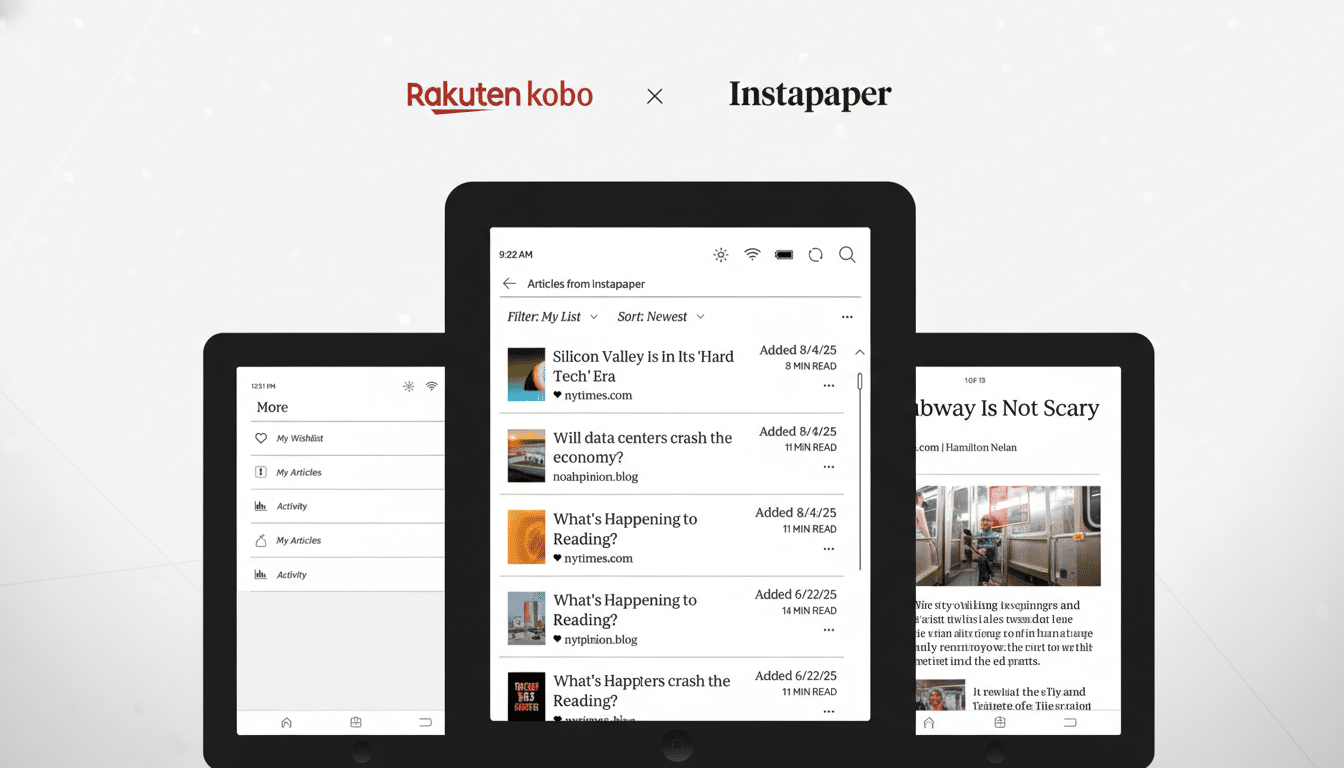
Notably, Kobo integration is unaffected. An Instapaper moderator explained on Reddit that the Kobo flow relies on Instapaper’s API and does not create the same resource demands as email delivery to Kindle, so it will remain free for now.
Alternatives and Workarounds for Send to Kindle Users
Kindle readers who prefer to stay on Instapaper’s free plan can fall back on manual methods. Exporting ePub files and using Amazon’s official Send to Kindle apps or the approved Kindle email address still works, though it adds friction compared to Instapaper’s one-click pipeline.
Third-party connectors exist, but reliability varies as Amazon updates document handling. Some competitors approach the problem differently: Readwise bundles Kindle delivery as part of its paid Reader service, while open-source options like Omnivore support email-based delivery that users configure themselves. Pocket, another major read-it-later app, does not currently offer built-in Kindle delivery, leaving users to seek external tools.
The Bigger Picture For Read It Later Apps
This change reflects a broader trend among productivity and reading apps: features that carry real infrastructure costs increasingly sit behind subscriptions. It’s a trade-off between convenience and sustainability, especially for power users with large queues and image-heavy articles that stress server and messaging pipelines.
For Instapaper, monetizing Kindle delivery targets a valuable segment of its audience—people who deliberately shift long reads to a distraction-free device. With Kindle still the dominant e-reader platform according to multiple market analyses, even a small share of active Instapaper users can create substantial recurring load. Charging for the feature may help ensure consistent delivery quality while funding ongoing maintenance.
While Instapaper has not posted a formal help center notice, alignment between user emails and the company’s Reddit response strongly suggests the change is imminent. If you rely on Send to Kindle for a nightly digest or batch delivery, expect to weigh the Premium price against the time you’ll spend on manual transfers—because the convenience tax is about to be real.
