


Instagram claims it has not been hacked after some users had their accounts spammed with a series of mysterious password reset emails. The company acknowledged a bug that permitted an unauthorized party to initiate legitimate reset messages, but it stressed there is no indication that accounts or underlying data were eXposed.
Instagram Responds to Password Reset Emails
In a brief statement posted to X, Instagram said that it had resolved an issue that allowed someone outside the company to improperly receive emails containing instructions on how to reset some users’ passwords. The messages came from within Instagram’s own systems, so they looked authentic, but the company said the incident did not provide access to accounts or expose private information about users.
- Instagram Responds to Password Reset Emails
- Malwarebytes Claim Spurs Alarm Among Instagram Users
- Why Password Reset Emails Can Spike Even Without a Breach
- Expert Context on the Risk of Account Takeover
- What Users Need to Do Now to Secure Their Accounts
- What Remains Unclear About Instagram’s Reset Incident
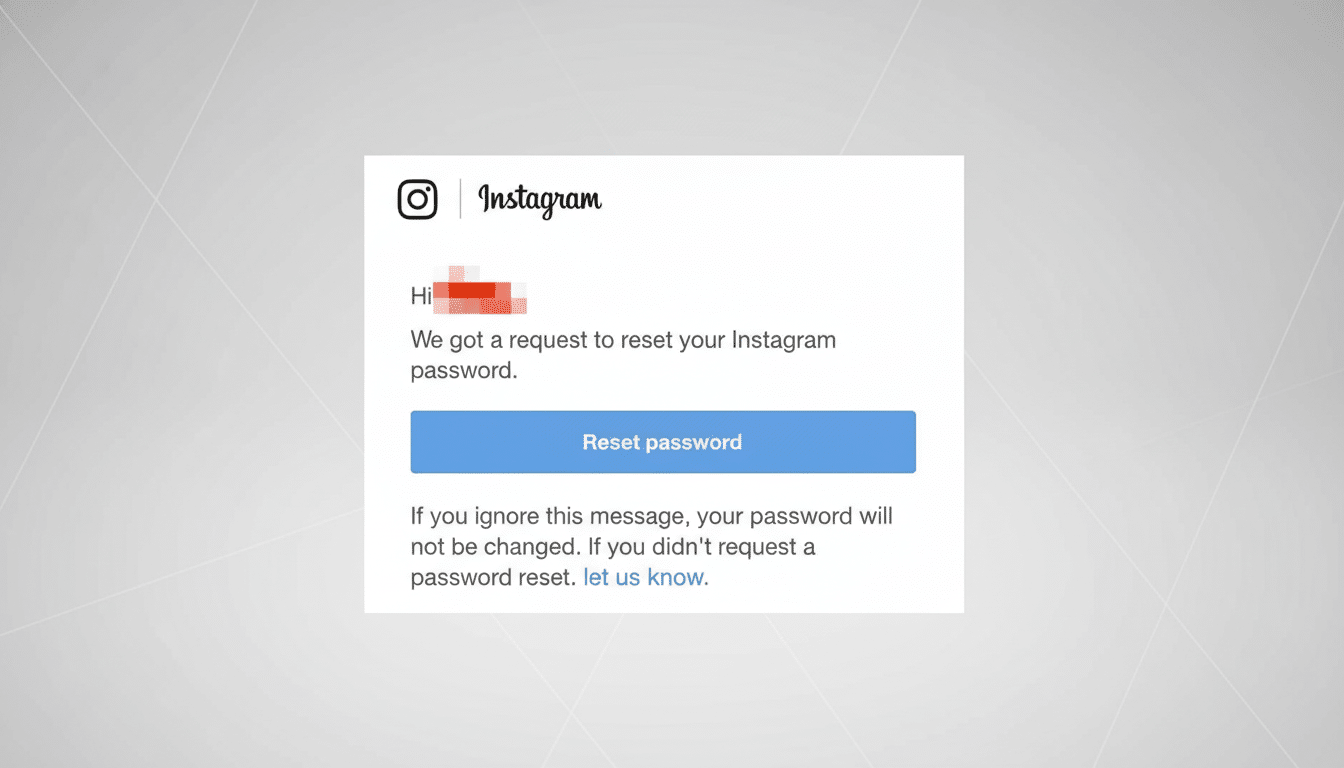
Instagram did not name the actor responsible or specify how many accounts were hit. It said that users who go through the process to reset their passwords without initiating it should ignore the messages and reminded its customers that an unsolicited reset email is not, by itself, evidence of compromise.
Malwarebytes Claim Spurs Alarm Among Instagram Users
The explanation came in response to a post by Malwarebytes, which reported that cybercriminals had snatched data related to 17.5 million Instagram accounts and were selling the information on criminal marketplaces. The claim mentioned details including emails, phone numbers and addresses, raising fears among creators and brands that depend on the platform.
Instagram’s response challenges that storyline head on. Without supporting technical indicators like leaked samples of the database verified by other researchers, it is still an unverified claim. Industry watchers point out that rumors of “mega leaks” are often bandied about alongside unconnected abuse — such as spamming the masses with password reset requests — and that dovetailing them together only excites panic unnecessarily.
Why Password Reset Emails Can Spike Even Without a Breach
With a username or email, most consumer sites allow anyone to initiate a password reset flow. That design shields people who are locked out, but also hands attackers an easy and effective way to annoy users with messages that look genuine. Attackers commonly abuse public endpoints to write high volumes of emails without ever being authenticated.
Contemporary defenses — rate limits, CAPTCHAs, bot detection and abuse heuristics — attempt to throttle these floods. When those controls fail — or are temporarily misconfigured — spikes in reset emails can result even if no account takeover has occurred. Security teams then need to tune systems to tell legitimate recovery requests apart from the automated noise.
Expert Context on the Risk of Account Takeover
Account takeover continues to be a top threat across social platforms. According to the most recent Verizon Data Breach Investigations Report, the abuse of credentials is still a top means for attackers to gain access into your environment and unfortunately, that human element — phishing clicks, reused passwords or social engineering — is at play in over half of these events. Threat reports from companies like Akamai and Cloudflare report tens of billions of credential-stuffing attacks each year.
These trends add to fertile ground for confusion: attackers frequently combine credential-stuffing campaigns with phishing that spoofs legitimate reset messages, in an effort to fool individuals into typing passwords on lookalike sites. That’s why valid reset floods, even if not attributable to a breach, can still increase downstream risk when users fall victim to their own clicking impulses.
What Users Need to Do Now to Secure Their Accounts
If you get a reset email from an account that is not yours, don’t click on anything. Just skip straight to the Instagram mobile app or the official website to look at login activity and adjust security settings. Turn on 2-step verification with an authenticator application, a hardware key (when possible) and think about using passkeys wherever you can.
Change your Instagram password if you use it anywhere else and review connected apps for anything unfamiliar. Beware of follow-up phishing claiming to “verify” your account — typical red flags include urgent calls for action, strange sender domains and asks for codes or recovery links.
What Remains Unclear About Instagram’s Reset Incident
There are still a lot of details missing from the picture: How many accounts received unsolicited emails attempting to reset passwords, what exactly an external party was doing when it encountered trouble, and which exact control failed. More transparency would allow researchers to verify that the issue has been contained and restore confidence in business accounts that rely on Instagram for revenue.
In the meantime, the signal is clear: Instagram says no breach occurred, it’s got a fix in place and the incident seems to have involved abuse of the reset mechanism rather than data theft. Now all users should accept such unexpected security emails as an invitation to harden their defenses, not to click.
