


Instagram feeds are suddenly drenched in 2016 energy. Carousels packed with grainy party pics, Valencia-tinted sunsets, and caption chaos are everywhere as users lean into a full-circle throwback. It’s part TikTok-fueled contagion, part decade-later reflection, and very much a reminder of the pre-creator, post-filter adolescence of social media.
Why 2016 Is Flooding the Instagram Feed Again
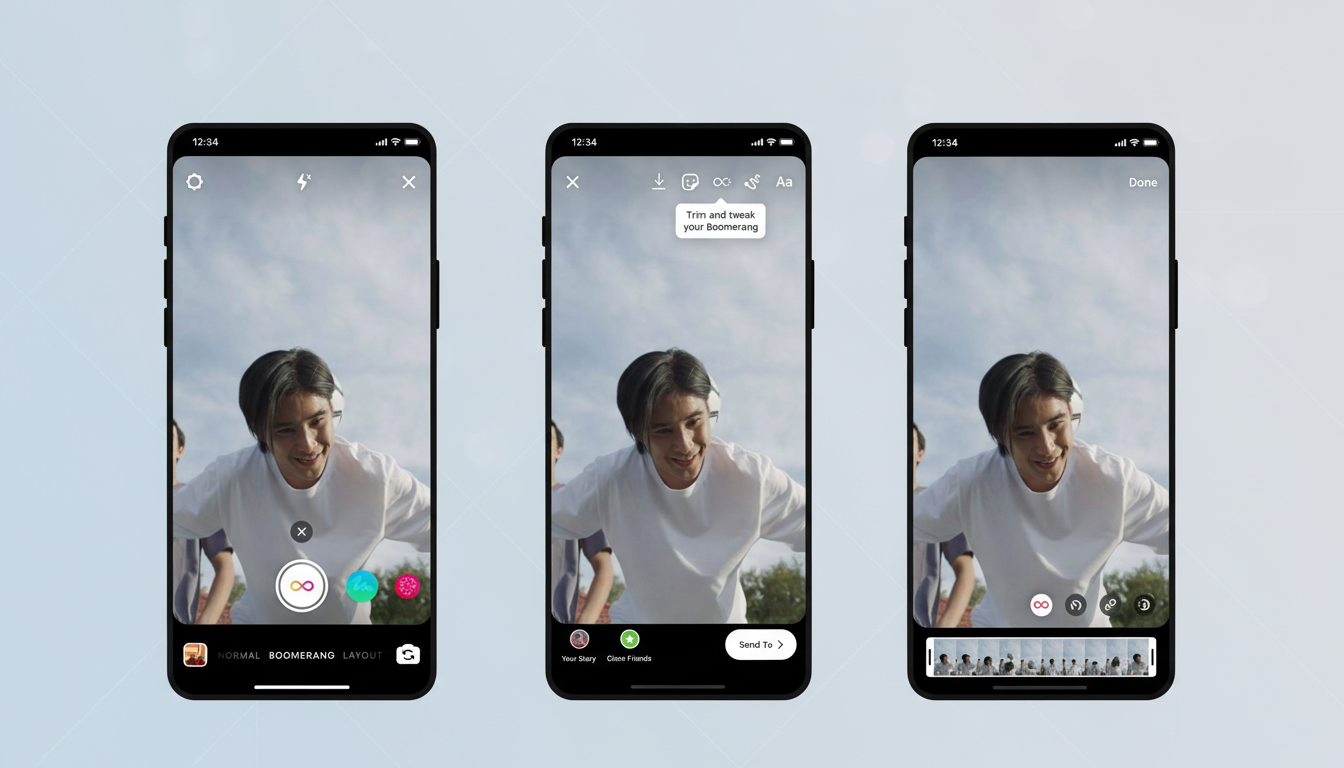
Platforms move in cycles, and Instagram’s latest loop taps into a specific memory: the moment just after filters became self-aware but before everything calcified into creator economics. The nostalgia is tactile—white borders, Clarendon and Gingham filters, Boomerang loops, geotag stickers, lowercase captions, and “lol idk” energy. It’s messy on purpose and anti-polish by design.
- Why 2016 Is Flooding the Instagram Feed Again
- The Aesthetic Playbook Returns to Instagram
- Data Points Behind the Instagram Throwback Trend
- Why 2016 Hits a Cultural Nerve on Instagram Now
- From TikTok Spark to a Full Instagram Wildfire
- What Creators and Brands Should Do with 2016 Nostalgia
- A Clear-Eyed Look at the Past Without the Rose Tint
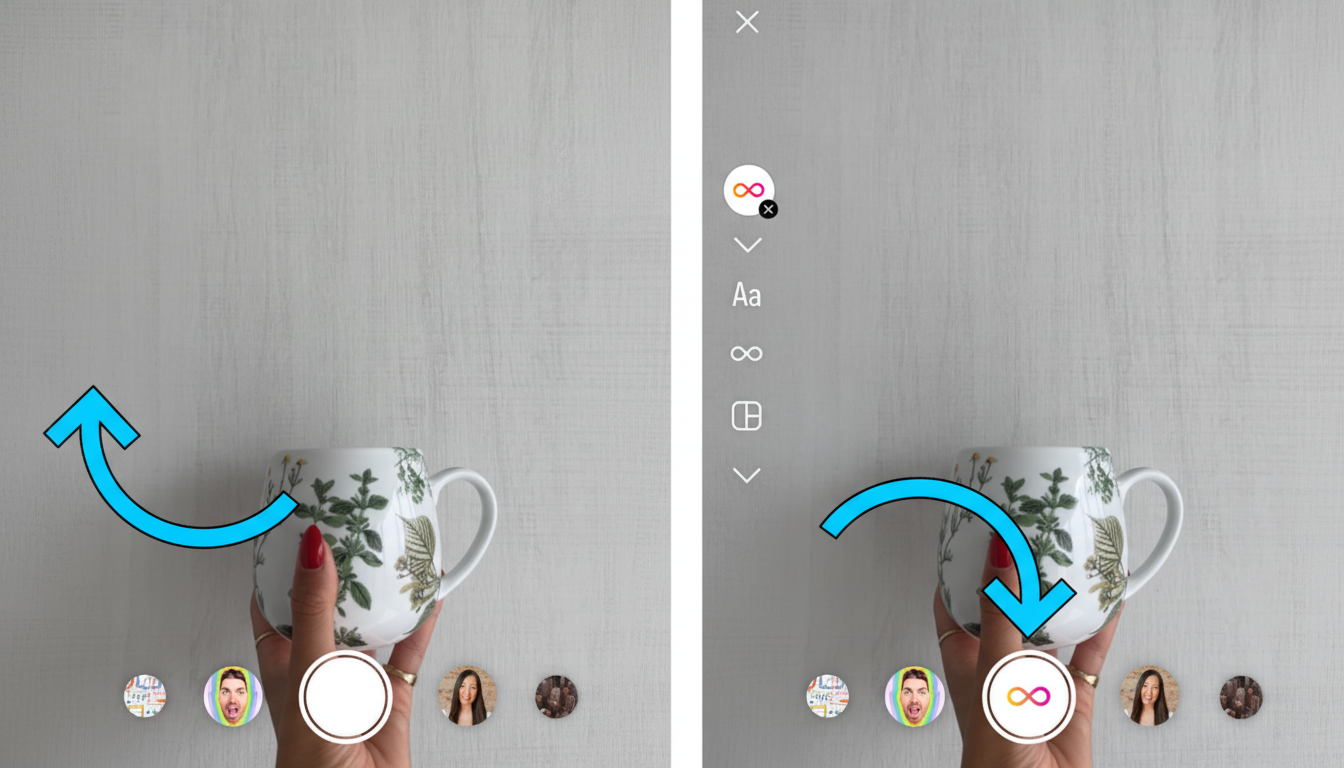
This wave didn’t start on Instagram. TikTok incubated the aesthetic with “2016-era” edits and soundtracks pulled from the pop-rap and festival timelines of that moment. As usual, the meme migrated to Instagram, where carousels and Stories let users turn it into personal archives: decade-old photo dumps, then-and-now selfies, and early-Story scribbles.
The Aesthetic Playbook Returns to Instagram
What’s back: saturated filters, faux-candid mirror shots, flower-crown and dog-ear nostalgia, timestamp overlays, VSCO grain, and collaged Stories with hand-drawn arrows and neon text. Captions are intentionally offhand—inside jokes, emoji strings, and quotes that read like overheard notes app ramblings.
What’s different: creators now deploy the look strategically. It’s not about pretending to be candid; it’s using the candid look to signal authenticity. The “casual” carousel has become a format—three to ten images that feel tossed together but are actually edited for rhythm. That tension between effort and effortlessness is the point.
Data Points Behind the Instagram Throwback Trend
Nostalgia isn’t just vibes; it’s a documented engagement lever. Deloitte’s Digital Media Trends research has found that younger audiences regularly rewatch familiar content for comfort—an impulse that maps neatly onto revisiting old photos and formats. Pew Research Center reports that Instagram reaches a sizable share of U.S. adults, with especially strong adoption among younger demographics, giving trends like this a fast runway.
There’s also scale. Meta has said Instagram serves billions of monthly users today, up from the hundreds of millions that defined the mid-2010s. In other words, the 2016 look now has a much larger stage—and a more sophisticated recommendation engine—to amplify it.
Why 2016 Hits a Cultural Nerve on Instagram Now
Most nostalgia spikes bend toward periods that feel “simpler” in hindsight. In social media terms, 2016 was the pivot: Instagram launched Stories, the algorithmic feed rolled out, and the leap from friends’ photos to full-fledged creator culture accelerated. Replaying that era lets users recapture a pre-hyper-optimization vibe—even as today’s algorithm boosts the very content that performs like a throwback.
Psychologically, the decade mark is sticky. A ten-year window is long enough to feel like a different life, short enough to still be in the camera roll. People are posting to measure distance—jobs, relationships, cities—using a format that feels forgiving. It’s memory-keeping with plausible deniability.
From TikTok Spark to a Full Instagram Wildfire
TikTok remains the culture lab, where sounds, editing styles, and micro-aesthetics coalesce at speed. Instagram, however, is where visual nostalgia scales. Carousels reward time spent; Stories reward volume; Reels reward repetition. A trend born in short-form clips becomes an all-format language on Instagram—still images, loops, and montage dumps that stretch the idea into daily habits.
What Creators and Brands Should Do with 2016 Nostalgia
Lean into “structured casual.” Use carousels to tell quick diary narratives—three images that set context, two that surprise, one that pays off. Revisit archival content: behind-the-scenes snaps, early product iterations, first office photos. Add subtle retro cues (a single filter, a timestamp font, a border) rather than parody-level kitsch.
Caption like it’s 2016 but think like it’s now. Keep copy light and specific—one detail, one in-joke, one emoji string—while optimizing cover slides and alt text. Resist the urge to over-explain. Nostalgia works when audiences feel they discovered the punchline themselves.
A Clear-Eyed Look at the Past Without the Rose Tint
For all the rosy filters, 2016 wasn’t exactly uncomplicated. That was the year Instagram’s algorithm sparked endless debates about visibility, creators began chasing engagement at scale, and social feeds started to feel less like a friends’ scrapbook and more like a marketplace. Today’s revival is less about going back than about reframing—a way to borrow the looseness without re-importing the naiveté.
If anything, the trend signals a preference shift: users want feeds that feel lived-in, not lacquered. The platforms may be smarter and the stakes higher, but the winning posts are the ones that look like they could have been shot on an iPhone 6 and captioned on a bus ride home. That tension—between then and now, between performance and presence—is why 2016 is back, again.
