


A newly released Justice Department document says a confidential informant told the FBI that Jeffrey Epstein retained a “personal hacker,” an operative described as an Italian specialist in high-end software exploits who dealt with multiple governments and non-state actors.
What the Newly Released Justice Department Files Reveal
The Justice Department’s disclosure, part of a broad publication of investigative records, recounts allegations from a single informant. The document does not name the purported hacker but attributes a detailed profile and a roster of clients to him. Officials emphasized that these are informant claims, not findings or conclusions by the FBI.
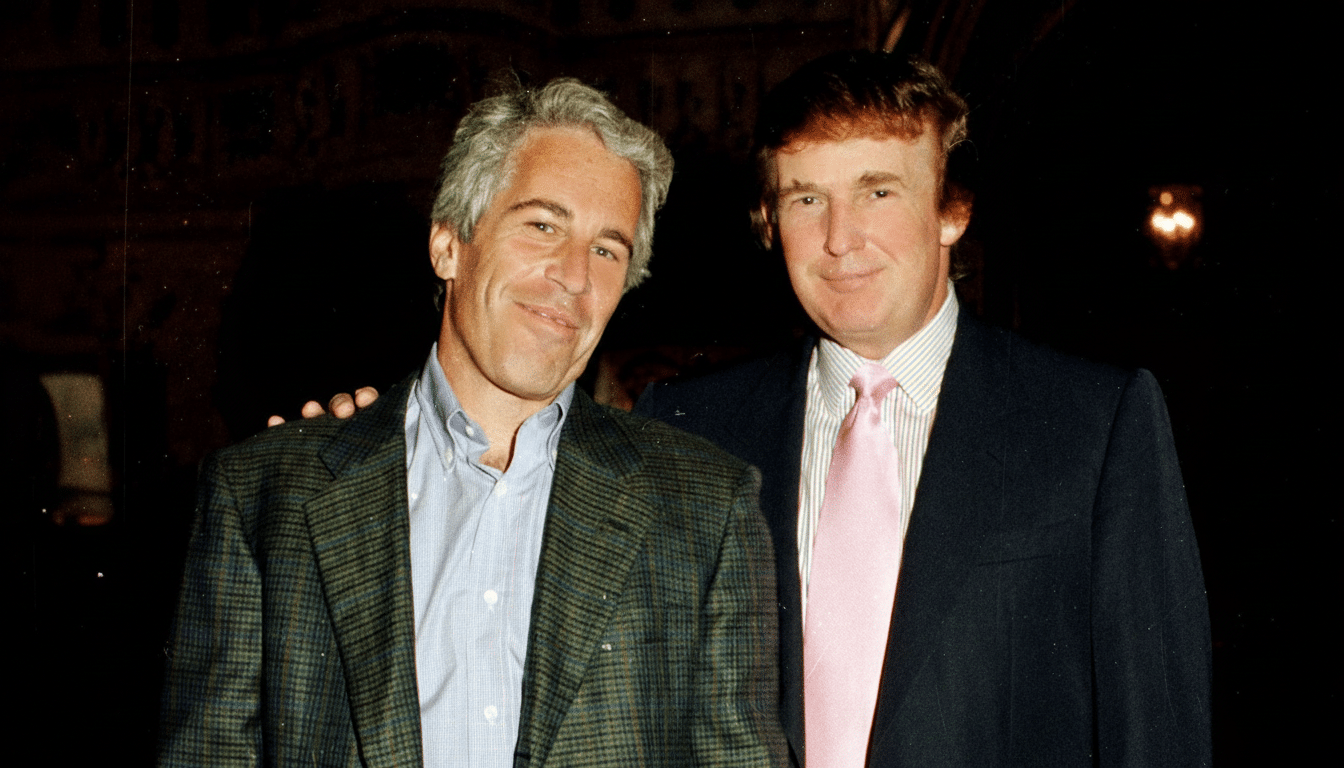
According to the materials, the informant said Epstein’s hacker focused on uncovering software vulnerabilities and crafting zero-day exploits — flaws unknown to the vendor and therefore unpatched. Newly released files, many heavily redacted, are part of a larger tranche that includes millions of pages and substantial multimedia, underscoring the scope of the government’s archive.
Alleged Hacker’s Profile And Capabilities
The informant’s account describes an Italian national from Calabria who specialized in vulnerabilities affecting iOS, legacy BlackBerry devices, and the Firefox browser. The operative allegedly developed offensive cyber tools and sold them to multiple governments, including an unnamed central African administration, as well as entities in the U.K. and the United States.
One of the most striking claims is that a zero-day was sold to Hezbollah, with payment purportedly delivered in a “trunk of cash.” Hezbollah is designated a terrorist organization by the United States and several allies, making any such transaction a potential violation of terrorism and export-control laws. None of these allegations have been substantiated in court filings within the released record.
The document does not explain what Epstein sought from the hacker — whether defensive services, surveillance capabilities, or leverage through cyber tools. It also does not detail how, or if, the FBI corroborated the informant’s account.
Why a Personal Hacker Would Matter to Epstein’s Network
Access to bespoke hacking skills can dramatically alter someone’s digital footprint and exposure. Offensive operators can locate weaknesses in devices, evade detection, or exfiltrate data, while defensive experts can harden systems and scrub traces. In high-stakes circles, the same talent pool often works on both sides of the line, depending on the client and the contract.

Researchers at Google’s Project Zero and Mandiant have documented a steady trade in zero-days, with dozens discovered in the wild each year. The allure is obvious: a reliable, unpatched exploit against a mainstream platform can command seven-figure payouts, according to public pricing from exploit brokers. That market dynamic helps explain why elite actors — from governments to private clients — seek direct relationships with skilled exploit developers.
A Global Hacking Industry With Longstanding Italian Roots
Italy has long been home to firms building interception and intrusion tools, including well-known names that have supplied law enforcement and intelligence customers worldwide. Citizen Lab and other watchdogs have documented how some European-made surveillance wares end up in sensitive jurisdictions, sometimes prompting export-control debates under frameworks like the Wassenaar Arrangement.
Against that backdrop, the informant’s portrait of an Italian exploit developer operating internationally is plausible in broad strokes, though it stops short of linking the individual to any specific company. The claims, if verified, would place Epstein’s circle alongside a global supply chain of offensive cyber capabilities typically reserved for state actors.
What the Released Records Still Leave Unanswered
The newly public documents raise more questions than they answer. They do not identify the hacker, describe how the relationship with Epstein began, or specify any operations allegedly conducted on Epstein’s behalf. They also do not reveal whether prosecutors corroborated the informant’s statements through technical forensics, financial records, or parallel sources.
For investigators, verifiable leads would include exploit samples, device telemetry, contract correspondence, or travel and payment trails. Absent that, the account remains an allegation in a vast archive. Still, the detail in the informant’s description — from targeted platforms to purported clientele — gives investigators reference points to check against known exploit campaigns and vendor records.
As additional files emerge, oversight bodies and researchers will be looking for corroboration, especially where claims intersect with export controls, terrorism finance statutes, and the documented proliferation of commercial spyware. Until then, the notion that Epstein had a dedicated hacker sits in the gray zone between sensational allegation and actionable lead.
