


Influencers on Instagram are quietly turning the platform’s most ubiquitous format into a delivery system for activism, tucking anti-ICE messages behind the first swipe of glossy lifestyle carousels. The tactic, dubbed “swipefishing” by creators, hooks viewers with something breezy on slide one—a red-carpet fit, a nail design, a meme—then pivots on slide two to content critical of U.S. Immigration and Customs Enforcement. It’s a subtle, engineered maneuver aimed at bypassing algorithmic limits on political content and reaching audiences who might scroll past an overtly activist post.
How swipefishing works on Instagram carousel posts
Carousels already reward curiosity: each swipe increases dwell time and engagement. Third-party social analytics firms have consistently found that carousels outperform single-image posts, which makes them catnip for creators optimizing reach. Swipefishing leans into that behavior. The first tile mirrors a creator’s usual brand—beauty, pop culture, travel—while subsequent slides shift to ICE-related content:
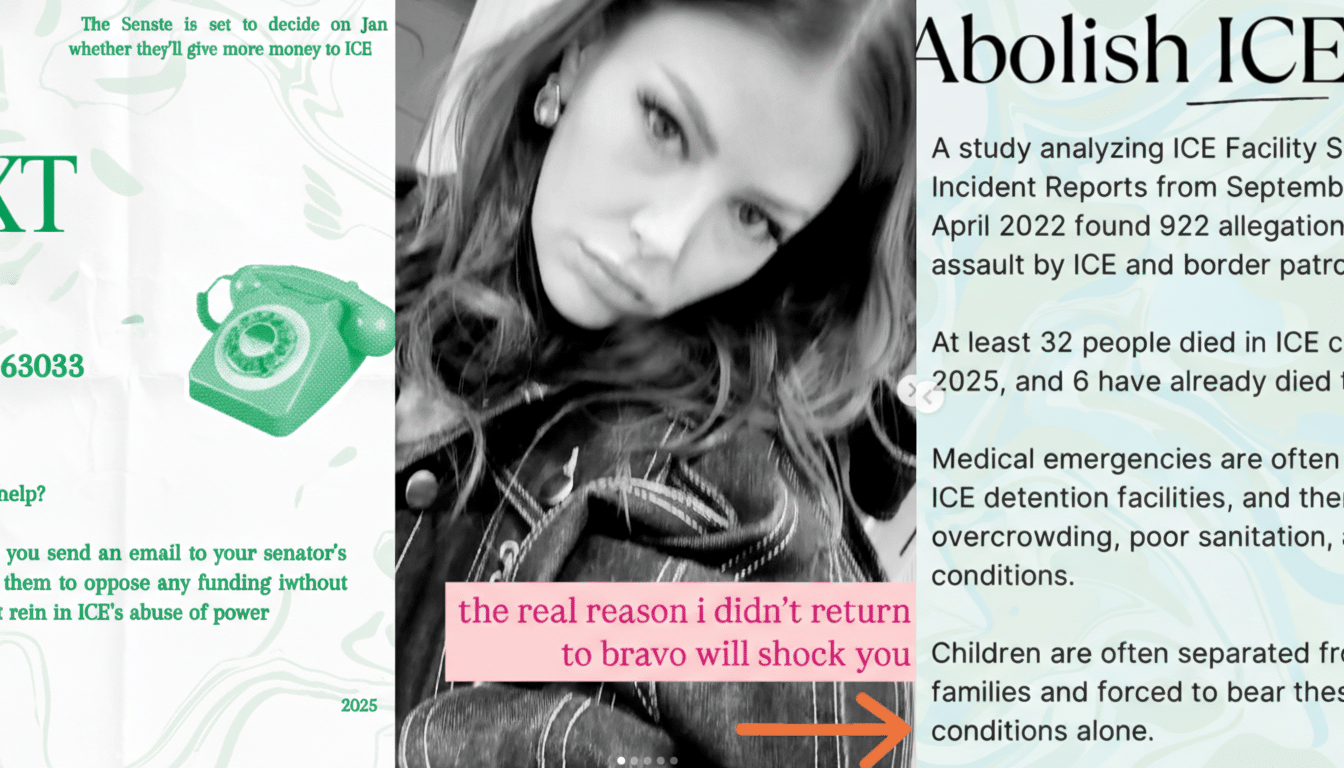
- explainer cards on how civil versus criminal warrants work
- “know your rights” summaries
- lists of companies that contract with ICE
- calls to contact local representatives or support legal defense funds
Recent examples include posts from reality TV alum Ariana Madix and nail artist Ameya Okamoto, who both teased on-brand content before sliding into resources about ICE and immigration enforcement. The approach reads like a Trojan horse, but creators describe it as a corrective to distribution rules they don’t control.
Why creators say they do it and how policies shape reach
Meta has said repeatedly that it does not suppress content based on political viewpoints. At the same time, the company has adjusted how political content travels: Instagram and Threads now limit the recommendation of political posts by default unless users opt in. For creators who rely on discoverability—Reels and Explore especially—that shift can sharply reduce the reach of straightforward activism posts.
Swipefishing attempts to thread the needle. By front-loading a non-political image, creators aim to qualify for the same distribution they get for everyday content, then deliver advocacy to an audience that’s already engaged. It’s part of a broader playbook developed over years of online organizing, from using “link in bio” workarounds to packing complex issues into digestible slides. Researchers at Data & Society and the Knight First Amendment Institute have documented how activists routinely adapt to rule changes and opaque recommendation systems to keep civic content visible.
There’s also a demographic logic. Pew Research Center reports that Instagram use is widespread among young adults, a group that is highly likely to encounter political messaging on social platforms. Creators who built trust with that audience around entertainment, beauty, or daily life see carousels as a low-friction way to surface serious topics without alienating casual followers.
What these carousels contain beyond the first swipe
Slide two and beyond typically feature crisp, shareable tiles.
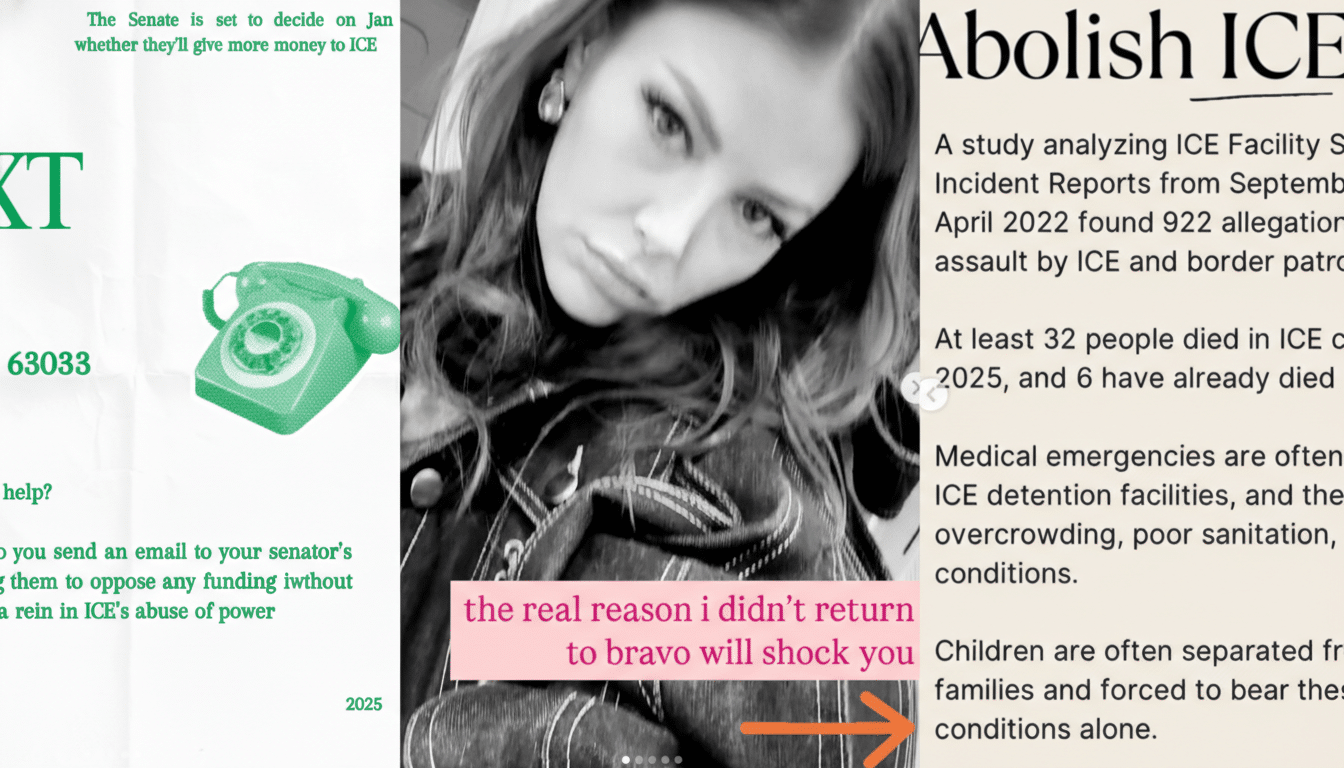
Common elements include:
- plain-language explainers of ICE’s role within the Department of Homeland Security
- tips for documenting encounters safely
- references to “know your rights” guidance from legal advocacy groups like the ACLU
- pathways to support migrant-led organizations such as RAICES, United We Dream, and Mijente
Many creators add disclaimers that they are not offering legal advice and urge followers to verify details with reputable sources.
Some carousels spotlight investigations and oversight reports that have scrutinized detention conditions and arrest practices. Others map local networks—mutual aid groups, rapid response hotlines, or pro bono legal clinics—so that followers can move from awareness to action. The visual language borrows from social-justice slide decks that proliferated in recent years: bold headlines, high-contrast color blocks, and minimal text per tile to encourage swipes.
Algorithm tactics and platform policy implications
Swipefishing is not unique to Instagram. Activists on TikTok have long used pinned comments, duets, and trending sounds to piggyback political messages onto entertainment content. But Instagram’s carousel mechanic makes the tactic unusually effective: a lighthearted first slide can secure distribution, while later slides carry the substance. If followers save or share the post—two interactions Instagram weighs heavily—the carousel can cascade into more feeds, even with policy limits on recommendations.
The risk is clarity. Compressing legal and policy information into tiles can oversimplify complex issues or amplify outdated claims. Professional fact-checkers and immigration attorneys caution that best practices can vary by jurisdiction and change over time. Responsible creators counter by citing primary sources—court rulings, watchdog reports, and official agency guidance—and by updating carousels as policies evolve.
Will swipefishing stick as platforms limit recommendations?
As long as platforms keep tightening the spigot on political recommendations, creators will keep looking for format hacks that preserve reach without triggering distribution throttles. Carousels are a rare sweet spot: native to Instagram culture, optimized for engagement, and flexible enough to hide a plot twist on slide two. Whether you see swipefishing as clever civic engineering or a bait-and-switch, it is a revealing case study in how influence, algorithms, and activism now coevolve in the same swipe.
