


Until now, creators working on a budget had very few sexy alternatives. Imagiyo has a lifetime subscription to its AI Image Generator Standard Plan for just $34.97, which matches affordability with 500 images per month and the ability to use images commercially. For freelancers, agencies, and indie makers who recoil at the thought of recurring subscriptions, this offer is compelling on both price and pragmatism.
What the $34.97 lifetime plan actually includes
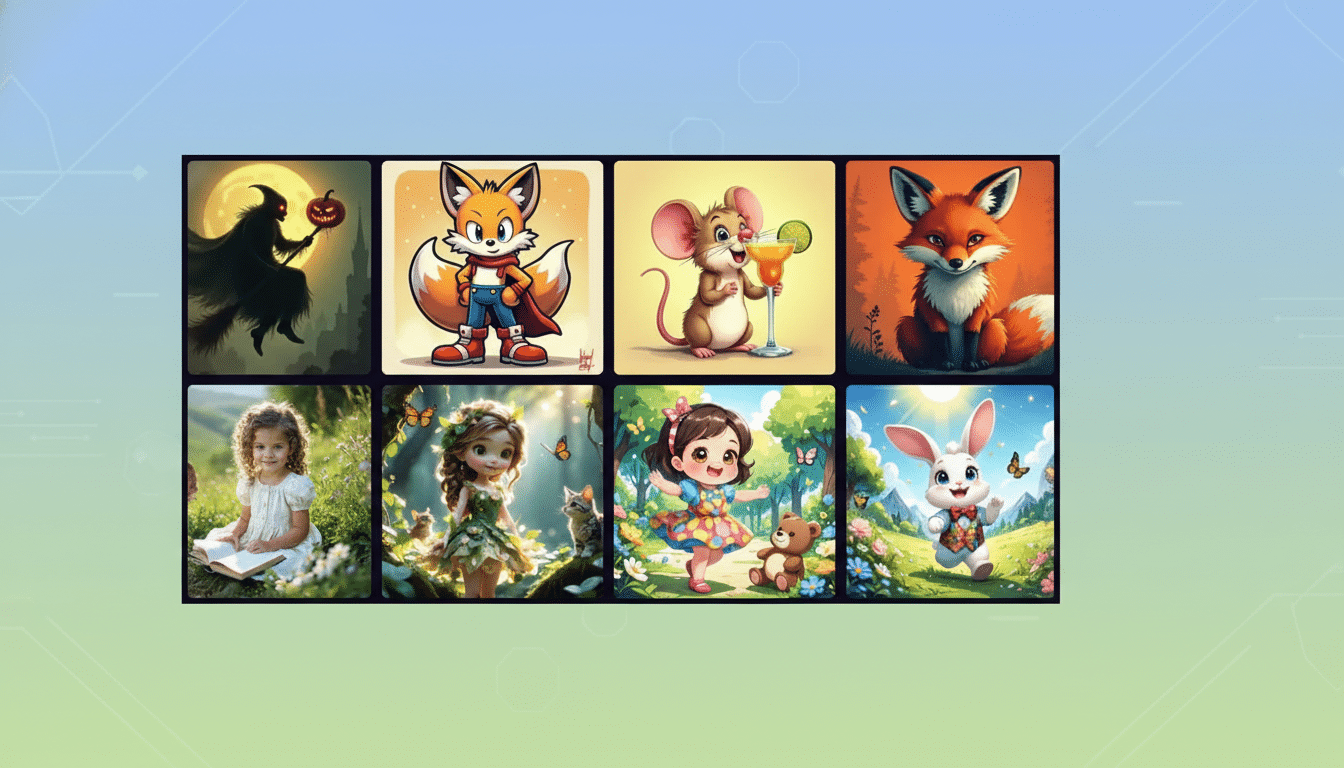
The Standard Plan operates in a modern web browser on desktop or mobile and can produce up to two images per request. Users can select models from FLUX Schnell and ModelsLab Stable Diffusion, choose the output size, and download clean files — no watermarks, no ads. The monthly limit is 500 images, which is fine for consistent content pipelines such as social graphics, mood boards, thumbnails, and some product mockups and basic logo drafts.
- What the $34.97 lifetime plan actually includes
- How the $34.97 lifetime price compares to rivals
- Where this plan fits in marketing and design workflows
- Legal and ethics check for commercial and copyright use
- Important limitations and practical considerations to note
- Bottom line: is this lifetime image plan worth it?
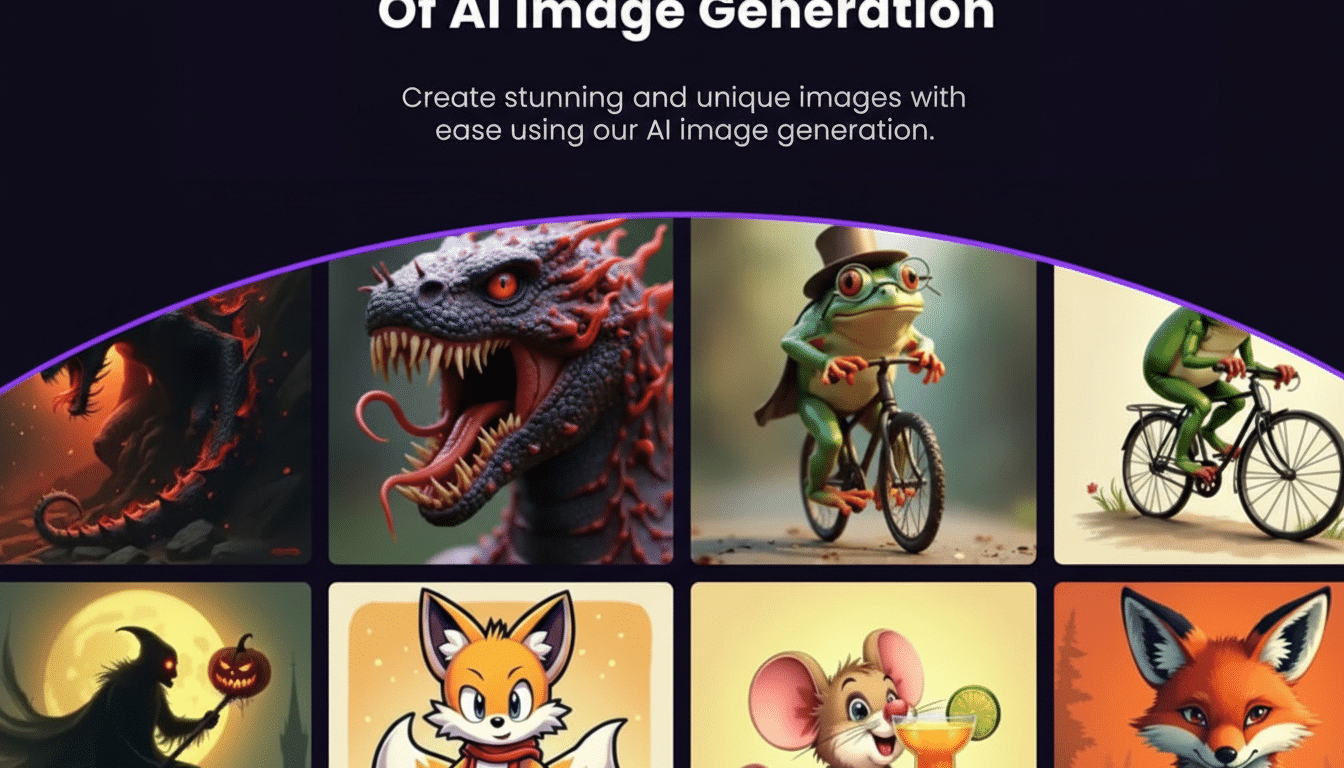
As with anything on the web, commercial use is fine—given that I remind everyone to respect copyright and trademark rules. This is what makes the plan appealing for small teams that require images on demand but would like to avoid stock-photo licensing for every asset. If you’re not experienced at writing prompts, libraries such as PromptHero (by way of least effort) can get your creativity firing on all cylinders again — and iterative prompting within Imagiyo can help land exactly the look you were shooting for.
How the $34.97 lifetime price compares to rivals
Many AI art tools are subscription-first or credits-based. Midjourney, for instance, requires a monthly membership at levels that most often begin in the low double digits, and Adobe ties Firefly image generation into Creative Cloud via generative credits. API-driven services such as those of OpenAI and Stability AI charge by the image or compute unit. In that context, a $34.97 one-time fee for a recurring monthly allowance is not only unusual but probably cheap if you plan to produce photos with regularity.
The cost calculus looks more favorable the longer you have it. Go over the 500-image cap each month for six months, and you’ve got about 3,000 images in total for the same upfront investment, meaning your effective cost per image is little more than pennies then. And even if you use only part of the allotment, the upfront price remains competitive against per-image stock licensing — where premium images can quickly hit double-digit dollars for extended commercial rights, according to published rate cards from leading providers.
Where this plan fits in marketing and design workflows
For marketers and content teams, 500 images per month easily covers A/B-tested ad variants, blog and newsletter art, and a steady cadence of social creative. Designers can use it for concept exploration, colorways, and fast comps before taking them into high-fidelity production. Individual creators gain an option for generating YouTube thumbnails, podcast covers, and ebook art without racking up monthly costs.
It’s possible to do logo explorations here, but consider outputs as sketches instead of final identities. Trademark lawyers tend to warn that a mark must be distinctive and legally clean, which means running searches and getting the typography just so, as well as shapes and colors, in order not to cause conflicts. The tool can speed up ideation, but the fine-tuning process will still require a combination of artificial and human judgment.
Legal and ethics check for commercial and copyright use
Commercial use is permitted, but remember two guardrails. For starters, steer clear of prompts that duplicate copyrighted characters, brand marks, or images of celebrities without their consent. Second, know how copyright applies to AI-augmented work. The US Copyright Office has said that content created by a machine with no creative input from a human is not protectable, but works where there is meaningful human authorship can be. In practice, that means recording your creative process and layering on human-driven edits when you want to generate protectable assets.
If your customers care about provenance, you should put in place a content authenticity workflow. Industry groups such as the Coalition for Content Provenance and Authenticity are lobbying to make metadata standards more transparent around when AI is employed, something that some brands and newsrooms are beginning to require in contracts with vendors.
Important limitations and practical considerations to note
The tool produces up to two images per prompt, which is workable for tailored requests but may not be optimal for bringing dozens of ideas to life in one shot. There’s also a hard monthly cap — good for budgeting, but high-volume studios may outgrow it. Because the product runs in a browser, its outcome can depend on your device and connection; the interface isn’t especially polished, and advanced features such as custom model fine-tuning are not the goal here. This is all about speed, simplicity, and consistent access.
Bottom line: is this lifetime image plan worth it?
Imagiyo’s Standard Plan comes in at $34.97, making it an attractive choice for creators who like to pay once and use forever as opposed to pricey perennial subscription fees.
You get a clean, watermark-free workflow, commercial-use flexibility, and a monthly allowance with enough headroom to power any serious content calendar. If you have been looking for an inexpensive way to fold AI art into daily production, this is a timely, low-risk entry point.
