


Ikea’s latest wave of Matter-over-Thread devices is running into real-world connectivity trouble, with buyers reporting that products won’t join their homes at all or abruptly disappear after initially pairing. The company says it is aware of the situation and is investigating, but early adopters are highlighting a pattern that undercuts Matter’s promise of effortless, cross-platform setup.
What Users Are Seeing in Real-World Ikea Matter Setups
Across forums and product reviews, customers describe repeated failures to commission Ikea’s new buttons, plugs, lights, and sensors with controllers from Apple, Google, Amazon, and others. A reporter covering the smart home beat shared similar pairing drop-offs during testing, and the r/Trådfri community on Reddit has amassed accounts of devices timing out mid-setup or vanishing from apps within hours.
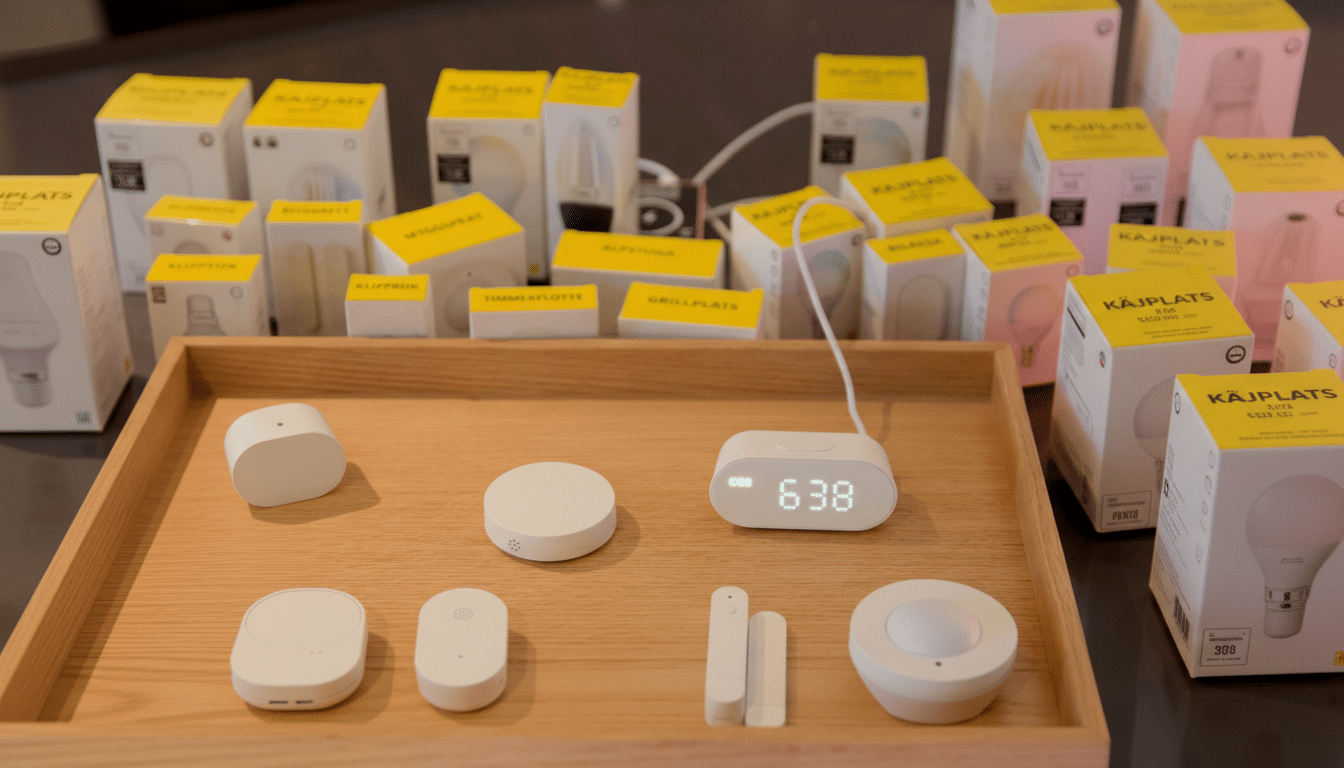
One striking example comes from a Reddit user attempting to deploy 60 BILRESA programmable buttons in a commercial-like scenario. Only 31 made it onto the network—roughly a 52% success rate—despite multiple tries and controller restarts. Others say smart plugs briefly appear in Apple Home or Google Home and then go “Unavailable,” suggesting the devices never fully anchor into the Thread mesh or fail to maintain sleep-wake communication.
The problem doesn’t appear confined to a single ecosystem, which points away from a one-platform bug and toward either device firmware quirks, Thread mesh instability, or Matter commissioning complexity under scale.
Why Matter over Thread Can Be Tricky in Practice
Matter devices typically enter pairing through Bluetooth Low Energy, then transition onto Thread (for low-power gear) via a border router—think HomePod mini, Apple TV 4K, Nest Wifi Pro, or Eero routers. In theory, once commissioned, the device should be reachable by any platform you authorize. In practice, several stress points can derail that journey: short commissioning windows, inconsistent firmware across controllers, and Thread network fragmentation when multiple border routers are present.
Thread itself is robust, but it is sensitive to topology. If your home has several border routers from different brands, you can end up with parallel Thread networks or routing changes that confuse sleepy end devices like buttons and sensors. Radio noise on the 2.4 GHz band, weak power supplies for plugs that act as routers, and walls or metal enclosures can further reduce reliability. Standards engineers note that certification tests can’t replicate every real home, so early large-scale deployments often surface timing edge cases and retransmission bugs that didn’t appear in labs.
What Ikea Says And Immediate Workarounds
Ikea acknowledges the reports and is investigating. The company’s support guidance emphasizes the commissioning window: many of these devices enter pairing mode immediately on power up and remain discoverable for about 15 minutes. Miss that window and you must re-trigger pairing—usually a specific button press sequence or power cycle—before trying again.
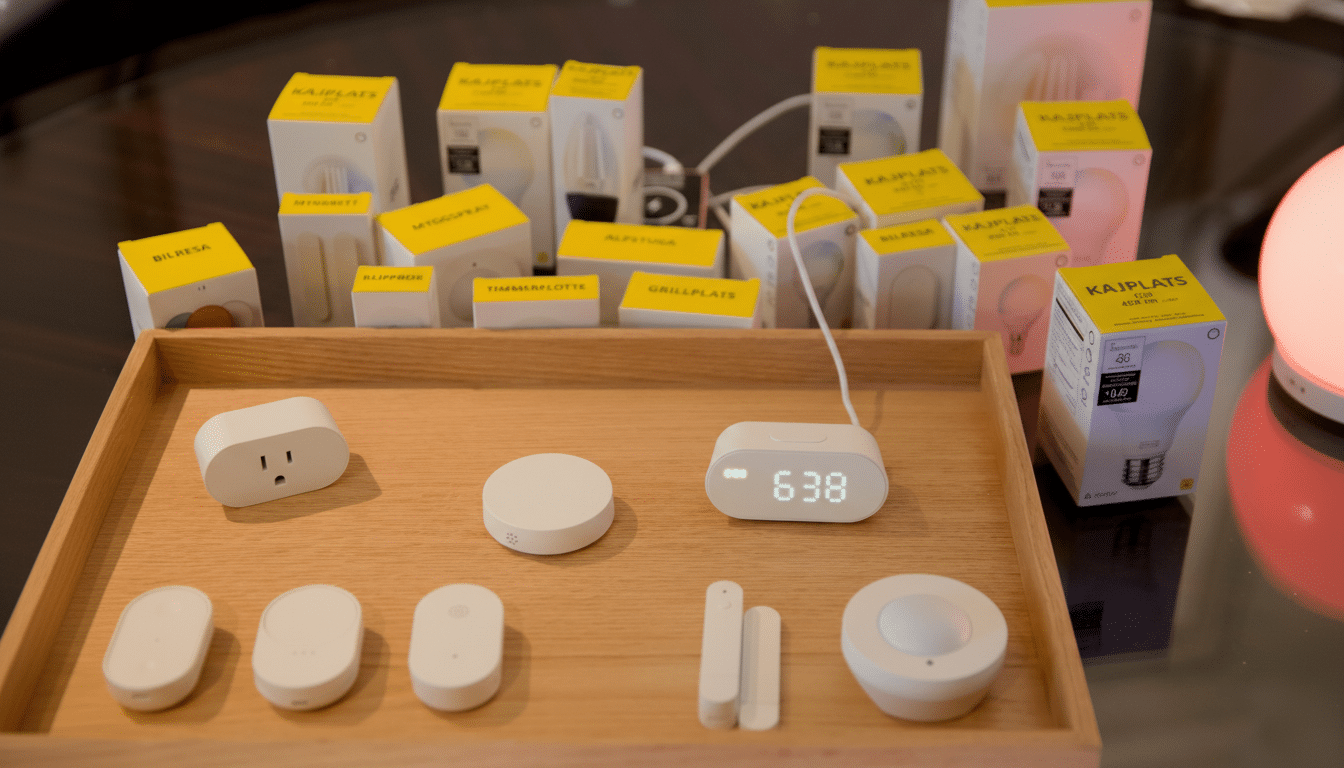
Early adopters having trouble can improve the odds with a disciplined setup sequence. Place your phone within a few centimeters of the device during the initial Bluetooth handshake. Update every controller and border router first—the Home app, Google Home, Alexa, and any hubs should be on current firmware. Commission to a single ecosystem initially and only share to additional platforms after the first pairing succeeds to avoid multi-admin confusion. If you own several border routers, temporarily disable extras during commissioning to prevent multiple Thread networks forming.
For Thread stability, use quality USB power adapters for plugs or lamps that act as routers, and keep them out of metal cabinets. Distribute a few always-powered Thread routers around the home before adding many battery devices; a sparse mesh is more likely to drop sleepy endpoints. If devices show as paired but flake out later, factory reset the accessory, remove any stale entries from your platform app, and repeat commissioning close to the border router.
The Bigger Picture for Matter and Thread Adoption
Matter’s pitch is compelling: buy a device and expect it to work with your preferred app and voice assistant. Industry groups have broadened the spec to include more device types across recent releases, and major platforms have steadily rolled out improvements. Still, the current wave reminds us that certification is a floor, not a guarantee of flawless performance in dense, mixed-brand homes. Even well-known vendors had early Thread hiccups that later disappeared with firmware updates.
The most likely path forward is software. Firmware fixes from Ikea to address commissioning reliability and sleep interval tuning, plus updates from platform vendors to smooth multi-admin and Thread partition handling, should bring these devices in line with expectations. Until then, buyers deploying at scale—especially buttons and sensors—may want to stage rollouts in small batches to validate stability before committing.
What to Watch Next as Ikea and Platforms Issue Fixes
Keep an eye on release notes from Ikea and from Apple, Google, Amazon, and router makers that double as Thread border routers. If you encounter repeat failures, document steps and error messages and share them with support—the more consistent the data, the faster engineers can pinpoint issues. For now, the smart money is on software updates resolving the disconnect between Matter’s promise and the realities buyers are seeing in their homes.
