


The first purchase is a fragile moment. A customer has taken a chance on your brand, trusted your promise, and spent their money hoping the experience will match their expectations. That moment feels like success, but in reality, it is only a starting line.
Most businesses lose customers not because the first experience was bad, but because there was no strong reason to come back. Life gets busy, choices multiply, and even a good brand can fade from memory. This is where reward programs quietly do their best work.
- Why First-Time Buyers Rarely Become Repeat Customers on Their Own
- Reward Programs Change the Meaning of a Purchase
- The Psychology Behind Why Rewards Work So Well
- Emotional Rewards Often Matter More Than Financial Ones
- The Critical Role of Timing in Loyalty Building
- How Reward Programs Encourage Habit Formation
- Trust Is Built Through Consistent Reward Experiences
- Reward Programs as Ongoing Communication Channels
- Personalization Makes Rewards Feel Thoughtful
- Reducing Decision Fatigue Through Clear Incentives
- Turning Satisfaction Into Loyalty
- The Long-Term Value of Repeat Customers
- Transparency Builds Confidence and Participation
- Reward Programs Reflect Brand Identity
- Avoiding Short-Term Thinking in Reward Design
- Measuring the Right Outcomes
- Adapting as Customers Grow With the Brand
- Reward Programs as a Competitive Advantage
- From Incentive to Identity
- The Journey From First Purchase to Habit
- Conclusion
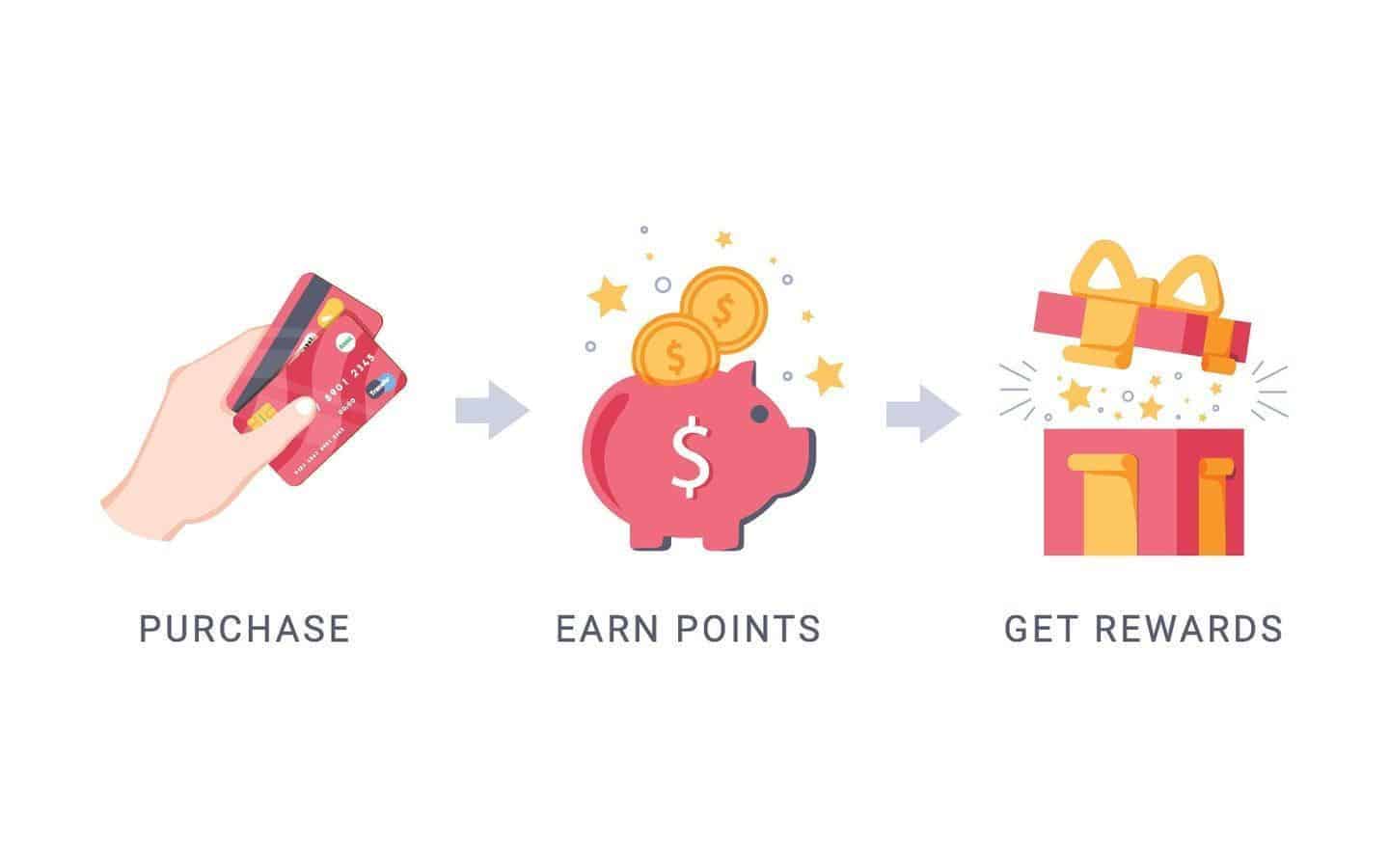
A well-designed reward program steps in right after that first purchase and says, “This is just the beginning.” It gives customers a reason to return, not out of pressure, but because it feels natural, valuable, and rewarding to do so.
Why First-Time Buyers Rarely Become Repeat Customers on Their Own
First-time buyers are cautious by default. They may like what they bought, but they are still unsure about consistency, service quality, delivery reliability, and long-term value. One good experience does not automatically remove doubt.
Many customers also love exploring. They want to try new brands, compare options, and see what else is out there. Without a clear reason to return, even satisfied customers may drift away simply out of curiosity.
Reward programs address this gap by creating a reason to stay connected. They give customers a small but meaningful incentive to return before curiosity pulls them elsewhere.
Reward Programs Change the Meaning of a Purchase
“Without rewards, a purchase feels final. Money is exchanged, the product is delivered, and the interaction ends. Reward programs change this dynamic by extending the story.
When customers earn points, unlock benefits, or begin a journey, the purchase becomes part of something ongoing. Instead of feeling like a one-time event, it feels like progress.
This shift is subtle but powerful. Customers begin to see future value tied to their current actions, which naturally encourages repeat behavior.” Ben Rose, Founder & CEO, CashbackHQ
The Psychology Behind Why Rewards Work So Well
Reward programs work because they align with basic human psychology. People are motivated by progress, recognition, and the feeling that their actions matter.
Earning rewards triggers a sense of achievement, even when the reward itself is small. Seeing progress build creates anticipation. Knowing there is something waiting encourages follow-through.
Over time, these psychological cues shape habits. Customers return not just for the product, but because returning feels familiar and rewarding.
Emotional Rewards Often Matter More Than Financial Ones
Discounts and points are effective, but emotional rewards often leave a deeper impact. Feeling appreciated, recognized, or valued creates a bond that price alone cannot.
When customers feel like insiders rather than transactions, loyalty strengthens. Exclusive access, early updates, or personalized messages can feel more meaningful than a simple discount.
These emotional rewards turn customers into advocates, not just repeat buyers.
The Critical Role of Timing in Loyalty Building
Timing can make or break a reward program. The period right after the first purchase is when attention is highest, and impressions are strongest.
Introducing a reward program during this window helps anchor the brand in the customer’s mind. It reinforces the idea that the relationship continues beyond checkout.
Waiting too long can cause the momentum to fade, making it harder to re-engage later.
How Reward Programs Encourage Habit Formation
Repeat purchases are rarely driven by conscious decision-making every time. They are driven by habit.
Reward programs encourage habits by making return behavior feel beneficial and familiar. Small, consistent rewards motivate customers to come back without feeling forced.
As habits form, the decision to return requires less effort. The brand becomes the default choice.
Trust Is Built Through Consistent Reward Experiences
“Trust grows when expectations are met consistently. Reward programs must be reliable, clear, and fair to reinforce trust rather than damage it.
Customers need to understand how rewards are earned and redeemed. Progress should be visible and accurate. Promises must be kept without exception.
When rewards work exactly as expected, customers trust not only the program but the brand behind it.” Devon Howard, CEO of Andor Willow
Reward Programs as Ongoing Communication Channels
Reward programs create natural touchpoints for communication. Updates about progress, milestones, or upcoming benefits keep the brand present without feeling intrusive.
These messages feel welcome because they carry value. Customers pay attention because the information is relevant to them.
This ongoing communication strengthens the relationship and keeps the brand top of mind.
Personalization Makes Rewards Feel Thoughtful
Generic rewards feel transactional. Personalized rewards feel intentional.
When rewards reflect customer preferences, behavior, or history, they show that the brand is paying attention. This makes customers feel seen rather than targeted.
Personalization increases engagement and makes customers more likely to continue interacting with the brand.
Reducing Decision Fatigue Through Clear Incentives
Modern customers face endless choices. Decision fatigue often leads to delayed or avoided purchases.
Reward programs simplify decisions by offering clear reasons to return. Customers know what they gain, which reduces hesitation.
This clarity speeds up repeat purchases and strengthens brand preference.
Turning Satisfaction Into Loyalty
Satisfaction is a good start, but it does not guarantee loyalty. Many satisfied customers still switch brands when given the chance.
Reward programs bridge this gap by reinforcing satisfaction with ongoing value. They remind customers why they chose the brand and why it continues to make sense.
Over time, this reinforcement transforms satisfaction into loyalty.
The Long-Term Value of Repeat Customers
Repeat customers are more valuable than first-time buyers. They spend more, return more often, and are more likely to recommend the brand.
Reward programs increase customer lifetime value by encouraging early repeat behavior. This reduces churn and stabilizes revenue.
The long-term impact of loyalty often outweighs the cost of rewards many times over.
Transparency Builds Confidence and Participation
Reward programs must be transparent to succeed. Confusing rules or hidden limitations erode trust quickly.
Customers should be able to understand the program without effort. Clear explanations and visible progress make participation easy.
Transparency turns rewards into a promise rather than a gimmick.
Reward Programs Reflect Brand Identity
A reward program is not separate from the brand. It reflects how the brand treats its customers and what it values. For example, companies like Monterey Company use loyalty strategies as an extension of their brand identity, reinforcing trust, consistency, and long-term commitment rather than short-term incentives. A thoughtful program strengthens authenticity, while a poorly designed one feels disconnected and insincere.
Avoiding Short-Term Thinking in Reward Design
Some reward programs focus too heavily on immediate results, offering deep discounts that drive quick sales but fail to build loyalty.
Sustainable programs focus on long-term relationships. They reward consistency, engagement, and trust rather than one-off actions.
This approach creates loyalty that survives beyond promotions.
Measuring the Right Outcomes
Success is not just about reward redemptions. It is about behavior change.
Metrics such as repeat-purchase rate, engagement frequency, and retention indicate whether loyalty is forming. These insights help refine the program over time.
Continuous improvement keeps rewards relevant and effective.
Adapting as Customers Grow With the Brand
Customer needs evolve. What excites a first-time buyer may not motivate a long-term customer.
Reward programs must adapt to remain meaningful. Updating benefits and listening to feedback keep engagement strong.
Adaptability signals that the brand values long-term relationships.
Reward Programs as a Competitive Advantage
In competitive markets, products and pricing can be copied. Relationships cannot.
Reward programs create emotional connections that competitors struggle to replicate. Over time, these connections become a powerful differentiator.
Customers choose familiarity and trust over endless alternatives.
From Incentive to Identity
As reward programs mature, they become part of how customers identify with a brand. Participation feels natural, even expected.
Customers stop thinking consciously about rewards. They simply prefer the brand.
At this stage, loyalty becomes self-sustaining.
The Journey From First Purchase to Habit
Turning a first-time buyer into a repeat customer is not accidental. It requires thoughtful design, emotional awareness, and consistency.
Reward programs guide customers along this journey step by step. They acknowledge trust, encourage return, and reinforce value.
Each interaction builds on the last.
Conclusion
First-time buyers offer opportunities. Repeat customers create stability. Reward programs succeed because they respect this difference. They do not force loyalty. They earn it through recognition, value, and trust.
When designed with care, reward programs do more than increase sales. They turn first-time buyers into long-term customers who return again and again.
