


Phoenix is known for sunshine and heat, but Arizona weather can also create serious driving hazards. Sudden monsoon storms, dust clouds, extreme temperatures, and reduced visibility can all make roads more dangerous within minutes.
It is easy to assume that weather alone is responsible when a crash happens during difficult conditions. In reality, drivers are still expected to adjust their behavior to match the road and visibility around them. Speeding in heavy rain, following too closely in fog, or driving on poorly maintained tires can turn bad weather into a preventable accident.
- 1. Monsoon Rain and Hydroplaning
- 2. Dust Storms and Sudden Visibility Loss
- 3. Extreme Heat and Mechanical Problems
- 4. Fog, Rain, and Reduced Visibility
- Weather Does Not Automatically Remove Liability
- How Drivers Can Reduce Weather-Related Accident Risks
- What to Do After a Weather-Related Accident
- Final Thoughts
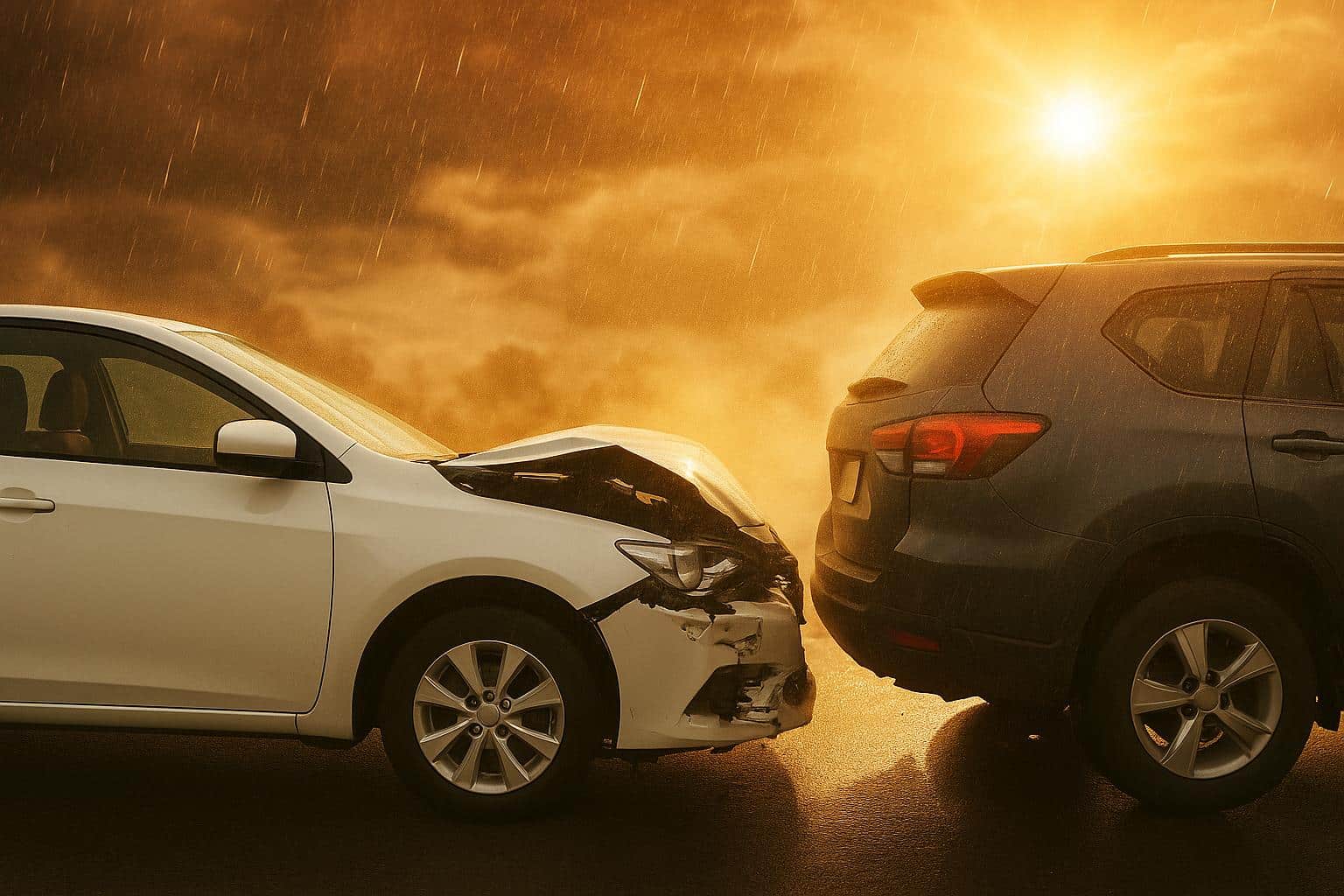
When weather and driver behavior overlap, determining responsibility can become complicated. In those situations, a knowledgeable Phoenix car accident lawyer can help evaluate the circumstances, evidence, and actions of everyone involved.
Here are some of the most common weather-related risks Phoenix and Arizona drivers face.
1. Monsoon Rain and Hydroplaning
Arizona monsoons can bring intense rainfall with very little warning. Roads that were dry only minutes earlier can quickly become covered in water.
When water builds up between a vehicle’s tires and the road surface, the tires may lose traction. This can cause hydroplaning, making steering and braking much more difficult.
Even experienced drivers can lose control when this happens. A vehicle may drift into another lane, spin out, or collide with surrounding traffic.
However, rain does not automatically eliminate driver responsibility.
Drivers are expected to reduce their speed and leave additional space between vehicles when roads are wet. Someone who continues driving too fast for the conditions may still be considered negligent if their actions contribute to a collision.
Determining what happened can be difficult after a storm. Rain may wash away skid marks or other physical evidence, while drivers and witnesses may remember the event differently.
A Phoenix personal injury attorney may review police reports, vehicle data, witness statements, and road conditions to determine whether another driver’s behavior or poor road maintenance played a role in the crash.
2. Dust Storms and Sudden Visibility Loss
Dust storms are another distinctive Arizona driving hazard.
A driver may see a large wall of dust approaching and, within a short period, have almost no visibility. Vehicles ahead may slow sharply or stop, leaving drivers behind with very little time to react.
These conditions can lead to serious multi-vehicle accidents, particularly on highways where vehicles are traveling at higher speeds.
Determining responsibility in a dust storm can be challenging because several drivers may argue that they simply could not see what was happening.
But visibility problems do not remove the responsibility to drive carefully.
Investigators may consider whether drivers reduced their speed, maintained enough following distance, used appropriate lights, or attempted to stop in a safe location.
Small decisions can become important when determining how a chain-reaction collision began.
Attorneys handling these cases may examine witness accounts, crash reports, vehicle information, and other available evidence to reconstruct the sequence of events.
A dust storm may make driving conditions unpredictable, but drivers are still expected to respond reasonably to the danger.
3. Extreme Heat and Mechanical Problems
Phoenix heat creates risks that are different from rain or dust.
High temperatures place additional stress on vehicles, particularly tires, engines, batteries, and braking systems. When components are already worn or poorly maintained, extreme heat can increase the likelihood of failure.
A tire blowout at highway speed, for example, can cause a driver to lose control within seconds.
The important legal question is often whether the failure could have been prevented.
If a driver continued using badly worn tires, ignored maintenance warnings, or failed to address known mechanical problems, negligence could become part of the case.
In other situations, responsibility may involve a manufacturer or repair provider if a defective component or improper service contributed to the failure.
These cases often require more detailed investigation.
Attorneys may work with mechanics or accident reconstruction specialists to determine which part failed, what caused the failure, and whether someone should have identified the problem earlier.
Extreme heat can put vehicles under additional pressure, but identifying why a mechanical failure occurred is often necessary before responsibility can be determined.
4. Fog, Rain, and Reduced Visibility
Although Phoenix is associated with dry desert weather, drivers traveling through other parts of Arizona can encounter fog, cooler temperatures, rain, and slippery roads.
Visibility can deteriorate quickly, particularly during early morning or changing weather conditions.
Drivers who are not accustomed to these environments may underestimate the amount of additional stopping distance they need.
When an accident occurs in fog or rain, investigators may look closely at how each driver responded to the conditions.
Did the driver reduce speed? Were headlights being used appropriately? Was there enough distance between vehicles?
Failing to make reasonable adjustments can contribute to a finding of negligence even when visibility was poor.
A Phoenix personal injury attorney can help injured drivers collect evidence and explain how both weather conditions and individual driving decisions may have contributed to the collision.
Weather Does Not Automatically Remove Liability
One of the biggest misconceptions about weather-related crashes is that nobody can be responsible because the weather caused the accident.
Bad weather certainly increases risk, but it does not necessarily excuse unsafe driving.
Drivers still have a responsibility to operate their vehicles carefully based on current conditions.
Someone who drives at normal highway speeds during extremely heavy rain, follows another vehicle too closely in low visibility, or ignores warnings during a dust storm may still be held responsible if those actions contribute to a collision.
Insurance companies may sometimes argue that severe weather was the primary cause of an accident rather than the conduct of an insured driver.
That is why evidence becomes especially important in these cases.
A lawyer may review dashcam footage, traffic cameras, vehicle information, witness statements, police reports, and accident reconstruction findings to determine whether human behavior played a significant role.
The key question is often not whether weather contributed to the accident. It is whether someone failed to take reasonable precautions despite the weather.
How Drivers Can Reduce Weather-Related Accident Risks
Arizona drivers cannot control when monsoon rain, dust storms, or extreme heat appear. They can, however, take steps to reduce the risks associated with these conditions.
Slowing down during heavy rain and maintaining additional distance can reduce the likelihood of hydroplaning and rear-end collisions.
During periods of poor visibility, drivers should avoid sudden maneuvers and pay close attention to surrounding traffic.
Vehicle maintenance is equally important during extreme heat. Checking tire condition, tire pressure, brakes, cooling systems, and other essential components can help reduce the risk of mechanical failure.
Drivers should also take weather alerts seriously. When conditions become particularly dangerous, delaying a trip may be safer than attempting to continue through severe weather.
What to Do After a Weather-Related Accident
The moments after a crash can be confusing, especially when severe weather makes it difficult to understand exactly what happened.
If possible, document the scene, road conditions, vehicle damage, and surrounding environment. Photos and videos may become valuable later, particularly because weather conditions can change quickly.
Witness information can also be important.
Medical attention should remain a priority after any collision involving injuries.
Because liability in weather-related accidents may involve several factors, including driver behavior, road conditions, vehicle maintenance, or mechanical defects, getting legal guidance can help clarify the situation.
Final Thoughts
Arizona’s weather can transform driving conditions surprisingly quickly.
Monsoon rain can create hydroplaning risks, dust storms can eliminate visibility, extreme heat can contribute to vehicle failures, and fog or wet roads can make stopping more difficult.
But weather is usually only part of the story.
Drivers are expected to adapt their behavior to changing conditions, and failing to do so can contribute to an otherwise preventable accident.
If you have been injured in a collision where severe weather played a role, speaking with a Phoenix personal injury attorney can help you better understand what happened, evaluate who may have been responsible, and deal with insurance issues related to the claim.
The weather may be unavoidable. Unsafe decisions behind the wheel often are not.

