


Corporate wellness programs have evolved beyond basic health screenings and gym membership discounts. As companies recognize the direct correlation between employee fitness and productivity, many are incorporating structured strength training into their workplace initiatives. Dumbbell workouts, in particular, offer a practical solution that addresses space constraints, budget limitations, and varying fitness levels—all while delivering measurable health outcomes.
Employees who engage in regular physical activity demonstrate improved concentration, reduced absenteeism, and lower healthcare costs. Unlike complex gym equipment or specialized facilities, dumbbells require minimal space and investment while providing comprehensive strength training benefits that translate directly to workplace performance.
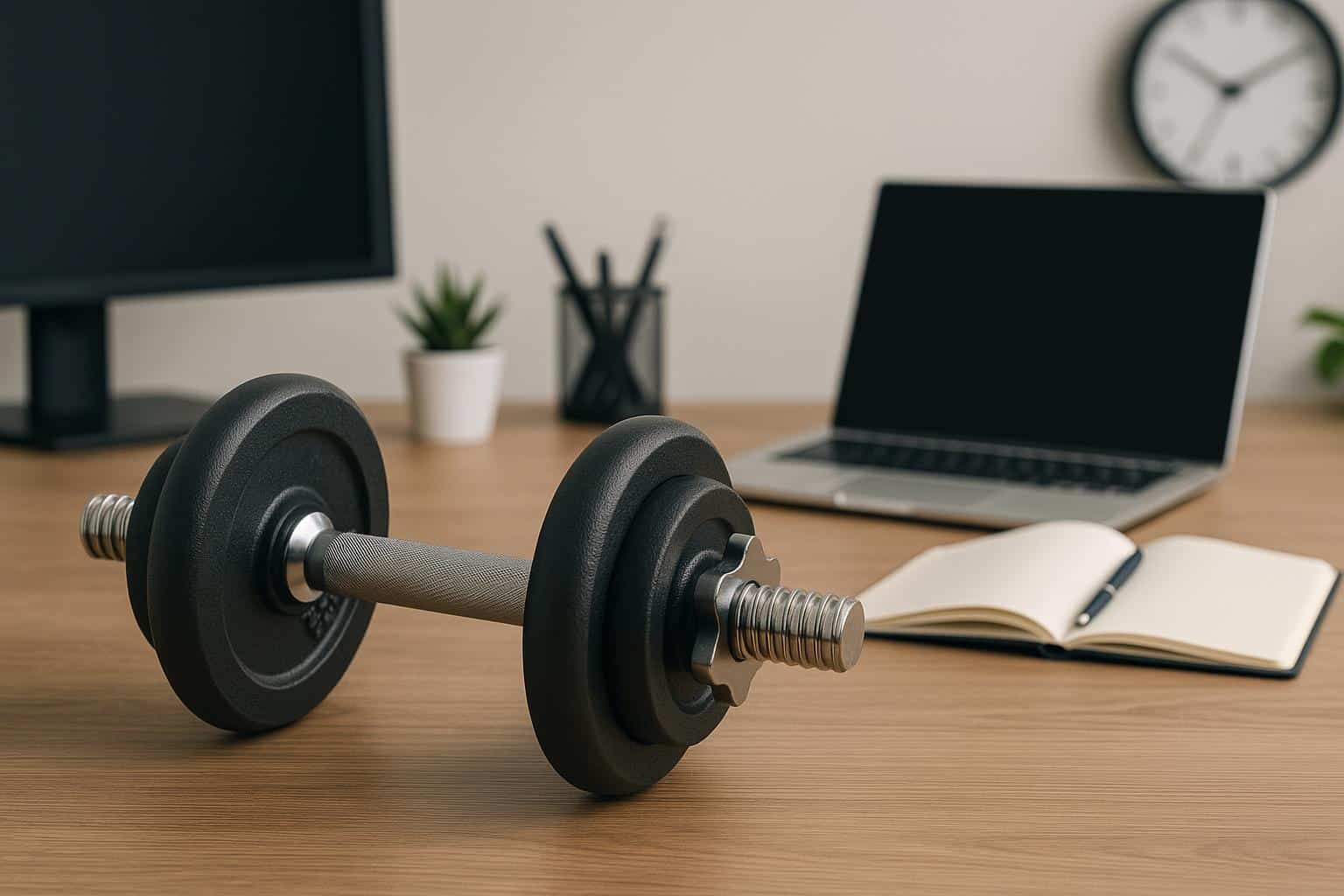
Why Dumbbell Training Works for Employee Health
Dumbbell workouts deliver specific physiological benefits that address common health concerns among desk-bound professionals. The versatility of these exercises makes them particularly effective for corporate settings where time and space are limited.
- Cardiovascular Efficiency: Circuit-style dumbbell training elevates heart rate while building strength, offering dual benefits in compressed timeframes. Studies indicate that resistance training can reduce cardiovascular disease risk by improving blood pressure and cholesterol profiles.
- Musculoskeletal Health: Weight-bearing exercises combat the bone density loss associated with sedentary work. Regular resistance training increases bone mineral density and reduces fracture risk, particularly important for aging workforces.
- Mental Resilience: Strength training triggers endorphin release and reduces cortisol levels, directly counteracting workplace stress. The Harvard Medical School reports that regular exercise can be as effective as medication for managing mild to moderate depression.
- Metabolic Function: Building lean muscle mass increases resting metabolic rate, helping employees manage weight and energy levels throughout demanding workdays.
These benefits compound over time, creating a healthier, more engaged workforce that performs better under pressure and recovers more quickly from physical and mental demands.
Designing a Complete Total Body Dumbbell Workout
A well-structured total body routine maximizes efficiency by engaging multiple muscle groups in a single session. This approach suits corporate environments where employees need comprehensive fitness benefits without extended time commitments.
An effective full-body session includes these components:
- Dynamic Warm-Up (5 minutes): Arm circles, leg swings, and torso rotations prepare joints and increase blood flow to working muscles.
- Goblet Squats (3 sets of 12 reps): Hold a single dumbbell at chest height. This variation improves form while targeting quads, glutes, and core stabilizers.
- Dumbbell Chest Press (3 sets of 10 reps): Whether on a bench or stability ball, this movement builds upper body pushing strength essential for daily activities.
- Single-Arm Rows (3 sets of 10 reps per side): Support yourself on a bench while rowing to develop back strength and correct postural imbalances from desk work.
- Romanian Deadlifts (3 sets of 12 reps): This hip-hinge pattern strengthens the posterior chain while teaching proper lifting mechanics that prevent workplace injuries.
- Overhead Press (3 sets of 10 reps): Shoulder strength and stability improve with this fundamental pressing movement.
- Mobility Cool-Down (5 minutes): Static stretches for major muscle groups reduce soreness and maintain flexibility.
This structure provides balanced development across all major movement patterns, addressing the full spectrum of functional fitness needs.
The 20-Minute Express Workout for Time-Pressed Professionals
Time scarcity remains the most cited barrier to workplace fitness. A focused 20-minute dumbbell session eliminates this excuse while delivering substantial training stimulus through compound movements and strategic exercise selection.
This condensed routine prioritizes efficiency:
- Movement Prep (2 minutes): Joint rotations and dynamic stretches activate the nervous system.
- Dumbbell Thrusters (4 minutes): Combining a front squat with an overhead press, this full-body movement elevates heart rate while building total-body strength. Perform 30 seconds of work followed by 30 seconds of rest for four rounds.
- Renegade Rows (4 minutes): Hold a plank position with hands on dumbbells, rowing one weight at a time. This challenges core stability while developing back strength.
- Alternating Reverse Lunges (4 minutes): Step backward into a lunge while holding dumbbells at your sides, alternating legs continuously to build lower body strength and balance.
- Dumbbell Push Press (3 minutes): Use leg drive to assist an overhead press, allowing heavier loads and greater metabolic demand.
- Recovery Stretching (3 minutes): Focus on hip flexors, shoulders, and thoracic spine—areas that tighten during desk work.
This protocol can fit into lunch breaks or before-work sessions, making consistent training achievable even for executives with packed schedules.
Building Strength Through Circuit Training
Circuit-style dumbbell workouts combine strength development with cardiovascular conditioning, making them ideal for corporate wellness programs seeking maximum return on limited time investment. The continuous movement between exercises maintains elevated heart rate while the resistance component builds functional strength.
An effective circuit structure includes:
- Exercise Selection: Choose 6-8 movements that alternate between upper body, lower body, and core work. This sequencing allows partial recovery while maintaining workout intensity.
- Work-to-Rest Ratios: Perform each exercise for 40 seconds followed by 20 seconds of transition time. Complete the full circuit 3-4 times depending on fitness level.
- Progressive Overload: Increase difficulty by adding weight, reducing rest periods, or incorporating tempo changes rather than extending workout duration.
- Movement Quality: Maintain proper form throughout. According to the National Strength and Conditioning Association, controlled movement patterns produce better results and reduce injury risk compared to rushed repetitions.
This format works particularly well for group sessions, fostering camaraderie while ensuring everyone works at appropriate intensity levels. To learn more about strength training, explore this detailed medical article on improving core strength.
The Critical Role of Proper Exercise Technique
Poor form undermines workout effectiveness and increases injury risk—concerns that become liability issues in corporate settings. Establishing technical standards protects employees while ensuring they receive intended benefits from their training efforts.
Key technical principles include:
- Spinal Alignment: Maintain neutral spine position during all movements. Excessive flexion or extension under load creates injury risk, particularly for employees with existing back issues.
- Joint Positioning: Keep joints stacked appropriately—wrists over elbows over shoulders during presses, knees tracking over toes during squats.
- Breathing Patterns: Exhale during exertion phases, inhale during easier portions. This maintains intra-abdominal pressure and supports spinal stability.
- Range of Motion: Move through full, controlled ranges unless mobility limitations require modifications. Partial repetitions have their place but shouldn’t result from poor control.
- Load Selection: Choose weights that allow proper form throughout all prescribed repetitions. Ego lifting has no place in workplace wellness programs.
Providing initial instruction through qualified trainers or detailed video resources establishes proper movement patterns before employees train independently. This investment in education pays dividends through reduced injury rates and better long-term outcomes.
Corporate wellness coordinators can access exercise technique resources from Dumbbells.com, ExRx.net, or ACE Fitness for proper form implementation standards.
Implementing Dumbbell Training in Your Organization
Successful integration of strength training into corporate wellness requires more than purchasing equipment. Thoughtful implementation addresses logistical challenges while creating a culture that values and supports employee fitness.
Effective implementation strategies include:
- Dedicated Training Spaces: Designate areas with appropriate flooring, ventilation, and equipment storage. Even small spaces can accommodate dumbbell training when properly organized.
- Scheduled Group Sessions: Offer instructor-led classes during lunch hours or immediately after work. Group training builds accountability and community while ensuring proper supervision.
- Educational Resources: Provide access to workout templates, instructional videos, and progression guidelines. Employees need clear direction to train effectively and safely.
- Incentive Structures: Consider wellness program points, fitness challenges, or recognition systems that reward consistent participation without creating unhealthy competition.
- Leadership Participation: When executives and managers visibly engage in wellness programming, it signals organizational commitment and reduces stigma around taking fitness breaks.
- Flexible Participation Options: Accommodate different schedules, fitness levels, and preferences. Some employees thrive in group settings while others prefer independent training.
Companies that treat fitness programming as a strategic investment rather than a peripheral benefit see higher participation rates and better health outcomes. The relatively low cost of dumbbell-based training makes it accessible even for organizations with limited wellness budgets, while the space efficiency allows implementation in urban offices where square footage comes at a premium.
As workplace wellness continues evolving, strength training will play an increasingly central role in comprehensive health strategies. Dumbbell workouts offer an evidence-based, practical approach that delivers measurable benefits for employees and organizations alike.
