


Honor’s new Win series is set to become one of the year’s most unexpected smartphone debuts, after a credible Weibo leaker reported that the highest model will boast Qualcomm’s Snapdragon 8 Elite Gen 5 processor alongside an imposing battery rated at 10,000mAh.
If true, then this could well be a smartphone game-changer in more ways than one.
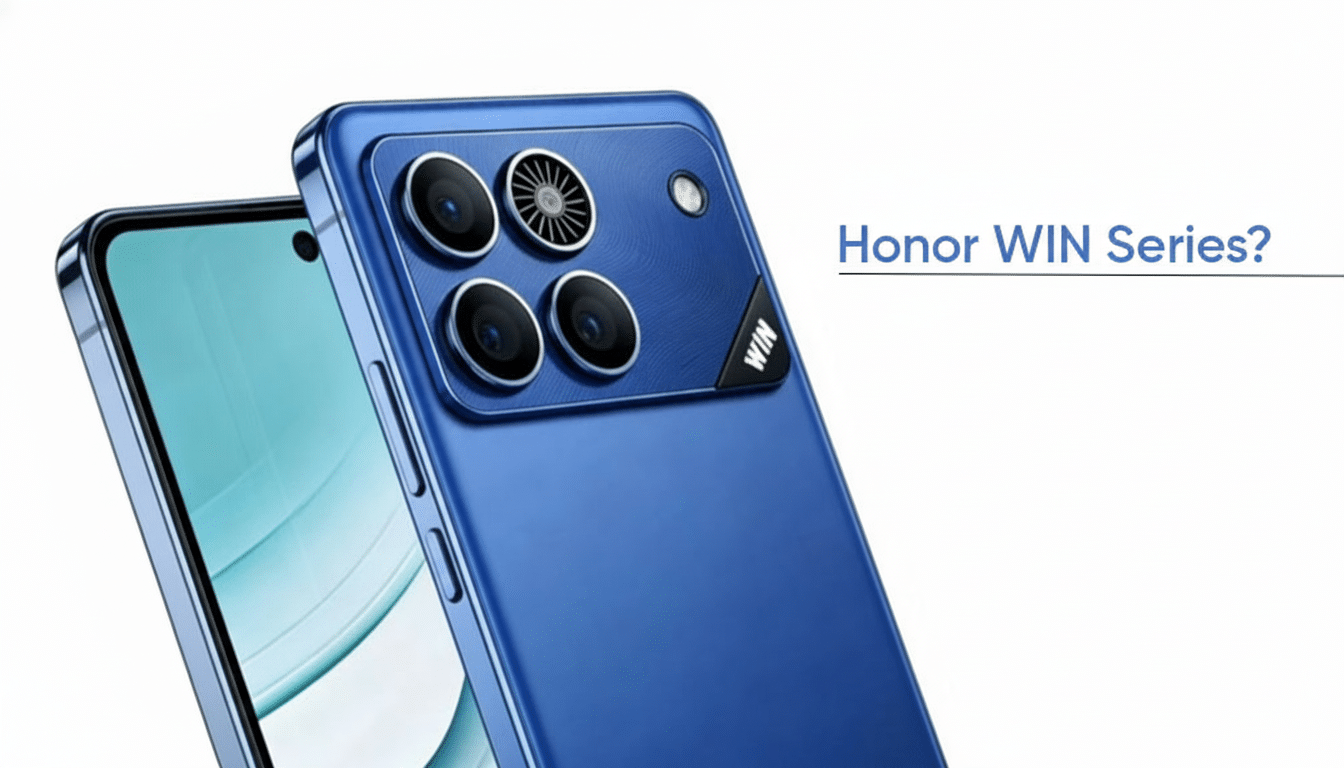
If true, that would meld the bleeding edge in performance with power-bank-style stamina, a mix we rarely see outside of chunky rugged handsets.
Flagship SoC meets a mega 10,000mAh battery capacity
Honor has announced that the Win lineup will replace its GT family, but has revealed few specs. The normal Win targets another top-tier chip from Qualcomm, while the potential Win RT would make do with a rehashed version of last year’s Snapdragon 8 Elite, Digital Chat Station reports. Either way, the 10,000mAh measurement is the eye-popper here, easily dwarfing the 4,500–5,500mAh packs most phones seem to max out around.
For comparison, flagship phones such as the Galaxy S24 Ultra have 5,000mAh of power, the iPhone 15 Pro Max has an estimated battery size of around 4,422mAh, and gaming phones like the RedMagic 9 Pro top out at 6,500mAh.
A 10,000mAh power cell in a premium build would be something unseen from top-shelf brands. The latest 8-series silicon from Qualcomm has historically provided large leaps in CPU efficiency and on-device AI throughput; couple those with the size of this battery, and we could be talking about multi-day longevity without killing performance.
Active Cooling Signifies A Gaming Focus
Leaked images reveal “Ultra Fan” branding, suggesting a built-in cooling fan — something seen more often on serious gaming phones than mainline flagships. Active cooling is also generally better at maintaining higher clock speeds over longer periods of time, which means more consistent frame rates in heavy hitters like Genshin Impact or Honkai: Star Rail. A design that is not fan-equipped may be at a greater disadvantage, as independent testing of previous vapor chamber-cooled phone designs by outlets such as Notebookcheck has indicated significantly lower thermal throttling with active cooling over multiple hours.
If Honor slaps a high-refresh OLED alongside some serious cooling and the latest-gen Snapdragon, the Win could edge toward handheld console territory in terms of sustained performance. And that in turn paves the way for features like hardware-accelerated ray tracing, which Qualcomm has been nudging forward across recent generations with none of the usual heat-induced sluggishness.
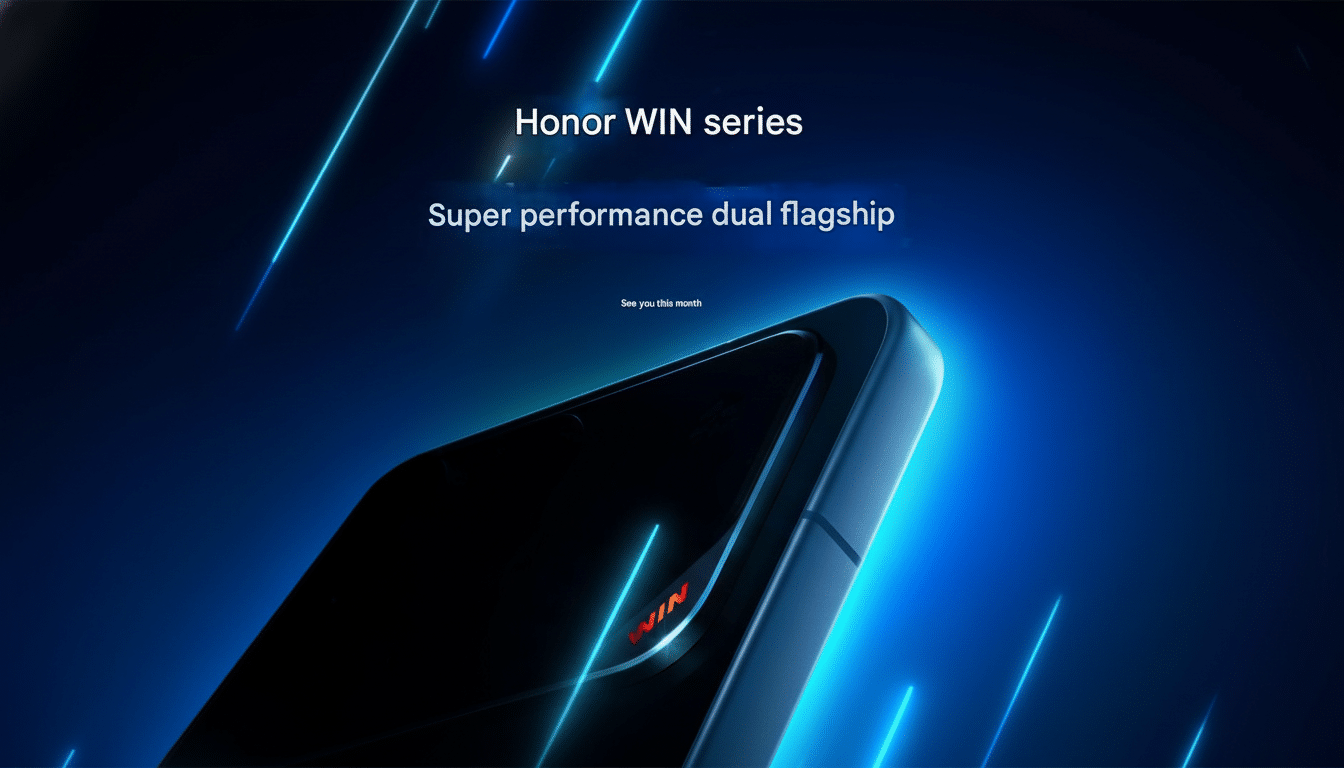
What 10,000mAh could deliver for everyday use
Estimates on battery life will depend on the size of the display, maximum brightness, and software tuning, but just in terms of capacity this is an evolutionary specification change.
On standard benchmarks like UL’s PCMark Work battery test, 5,000mAh premium phones consistently hit the 12–16 hour mark. Doubling capacity doesn’t quite double runtime because of efficiency curves, but it could easily push well north of a full day of heavy use — and then some — or several days with typical messaging, streaming, and photography.
The leak suggests 80W wired charging as well. With a pack of this size — on the order of 38–40Wh at smartphone voltage levels — peak speeds are probably very short before beginning to drop off a cliff in order to protect cell health. Real-world 0–100% times may be more like 70–100 minutes, but a short top-up of as little as 15–30 minutes could still buy you hours of operation. As usual, it will be down to how Honor plays the charging game, thermal limits, and whether it uses a dual-cell architecture to safely achieve higher currents.
Design trade-offs and compromises to watch closely
There is no escaping physics. An internal fan and a 10,000mAh battery contribute to bulk and weight. For reference, even 6,000–6,500mAh gaming phones generally weigh about 230–250g at a clip, so venturing past the 10,000mAh mark could potentially push the Win north of the 280g mark unless Honor really goes to town on saving chassis bulk and materials as well as boosting battery density. Look for a thicker midframe, a bigger vapor chamber, and beefier heat dissipation compared with the run-of-the-mill flagship.
Another open question: its priorities beyond speed and stamina. The outgoing GT line had generally deferred on camera supremacy and premium extras to the manufacturer’s mainstream flagships. If that philosophy is carried forth, the Win might put a bit more emphasis on gaming, connectivity, and battery life rather than class-leading optics or top-end IP ratings. That’s a fair trade for the target audience, though buyers should adjust their expectations accordingly.
Why this rumored Honor Win configuration matters
Rugged phones from smaller brands have skirted the 10,000mAh range for years. But they’re typically left with midrange chips and less intense screens. Combining a next-gen Snapdragon with a 10Ah pack could change what the daily driver looks like for power users, frequent travelers, and mobile gamers that loathe battery anxiety. Provided Honor manages to control thermals, weight, and software polish on the Win, it could disrupt the niche dedicated gaming phones from Asus and Nubia have carved out.
Honor has said that the Win and Win RT will land in mainland China first, with no word on wider availability. Until we get an official spec sheet, treat the information as real but not confirmed. But the idea of a Snapdragon 8 Elite Gen 5 phone packing a beefy 10,000mAh battery and active cooling is one that could turn heads throughout the entire Android ecosystem.
