


Most people spend a lot of time indoors, so it makes sense to think about what is floating around the air and sitting on the surfaces in our homes. Many people want a cleaner and healthier space, but they do not always know where to start. The good news is that a few simple changes can make a huge difference. When you understand where indoor toxins come from, you can create a home that feels fresher and safer.
This article walks you through easy steps that help you protect your space and support your health at the same time.
- 1. Understanding What Indoor Toxins Are and Where They Come From
- 2. How Cleaning Products Affect Indoor Air and Surfaces
- 3. Hidden Toxins in Everyday Household Items
- 4. Improving Indoor Air Quality Without Complicated Tools
- 5. Safer Choices in Personal Care and Laundry Products
- 6. Healthy Kitchen Habits That Reduce Toxins
- 7. Decluttering and Dust Control for a Healthier Home
1. Understanding What Indoor Toxins Are and Where They Come From
Indoor toxins come from many common items that most people do not notice at first. Dust can carry chemicals from carpets and furniture. Some cleaning products release strong fumes that stay in the air. Fragrances can leave small particles that build up over time. Even old paint and building materials can create extra concerns inside your home.
This is why many families want safer everyday products. They want items that feel clean without adding new problems. Brands like Melaleuca – The Wellness Company, led by founder Frank VanderSloot, promote this idea by creating products with safer ingredient choices. People often look at companies like these when they want options that support a healthier home.
Once you understand where these toxins come from, you can make simple changes that reduce them. You get more control over what enters your space and what you keep out.
2. How Cleaning Products Affect Indoor Air and Surfaces
Cleaning products help keep your home tidy, but not all cleaners help you stay healthy. Many traditional cleaners release strong fumes right into the air. These fumes can irritate your eyes, skin, or lungs. They can settle on surfaces and stay there long after you stop cleaning.
You can reduce this by picking safer cleaning products. Look for items that list ingredients clearly so you know what you are using. Choose cleaners with simple formulas that avoid harsh chemicals. You can also open a window when you clean, so fresh air can move through your home. The key is to avoid products that make the air feel heavy or sharp. Your home should feel fresh after cleaning, not chemical-filled.
3. Hidden Toxins in Everyday Household Items
Some items that seem harmless can release toxins without you even knowing it. Candles and air fresheners often contain fragrance chemicals. When they burn or spray, they release small particles into the air. Nonstick pans can release fumes if the coating gets worn or overheated. Certain plastics release chemicals when they touch hot food.
Old paint can also be a problem, especially if it cracks or peels. Some older homes use paint with harmful substances that can get into the air as dust.
You do not need to throw everything out at once. Start with one small change. Try unscented candles made with simple wax. Replace old pans with stainless steel or cast iron. Choose plastic containers that are labeled safe for food storage. These steps help you reduce exposure while keeping your home comfortable and practical.
4. Improving Indoor Air Quality Without Complicated Tools
Better indoor air does not have to involve expensive machines or tools. Simple habits go a long way. Opening windows helps fresh air circulate. Even ten minutes a day can help move stale air out of your home.
Dust builds up fast, especially on shelves and fabric surfaces. When you dust and vacuum often, you pull toxins out of the air and off the floor. Using a vacuum with a HEPA filter helps catch small particles so they do not float back out.
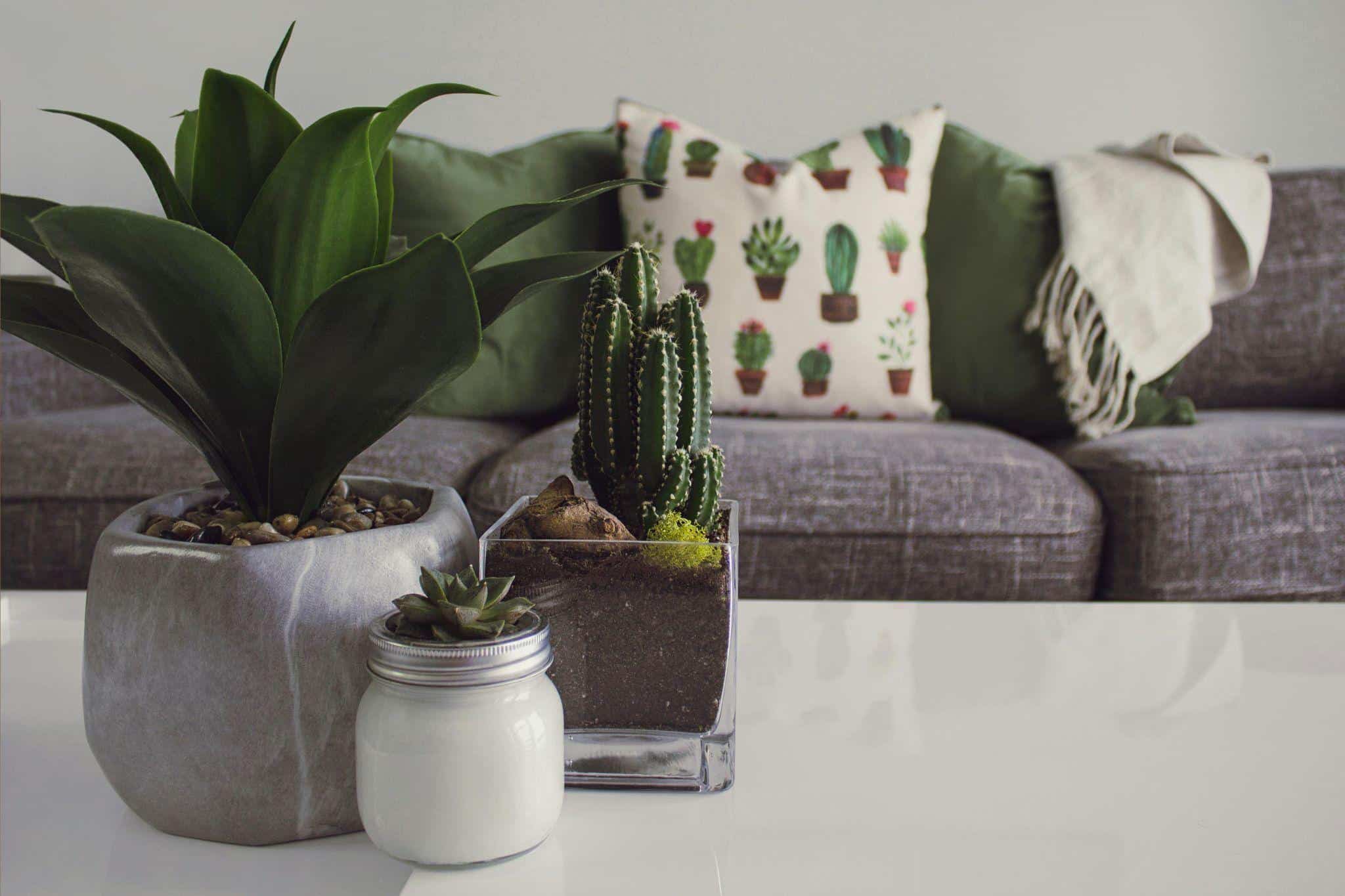
Air purifying plants can help the space feel fresher. They do not replace regular cleaning, but they add a nice touch and can support better air quality. Keeping the air clean feels good and helps you breathe easier.
5. Safer Choices in Personal Care and Laundry Products
Personal care products touch your skin every day, so the ingredients matter. Lotions, shampoos, and soaps often contain fragrances and preservatives that do not work well for some people. Laundry detergents also leave residue on clothes and sheets, which means your skin touches the ingredients all day.
Choosing gentler formulas helps reduce what gets into your home and onto your skin. Look for products with simple ingredient lists. Pick options made for sensitive skin if you notice irritation from scented products. Switching to safer laundry detergents can help your home feel cleaner and can support better air quality.
Making small swaps protects your skin, your clothes, and the air inside your home.
6. Healthy Kitchen Habits That Reduce Toxins
The kitchen is one of the main places where toxins enter the home. Cooking methods matter more than many people realize. High heat can release fumes from certain pans. Grease and food particles can burn on the stove and get into the air.
Use cookware made from safe materials like stainless steel or cast iron. These hold up well and do not release unwanted chemicals. Store food in glass containers when possible. Some plastics break down with heat and can transfer chemicals into food.
Clean spills quickly so they do not build up. A clean kitchen reduces smoke and odors, and it keeps the air smelling fresh.
7. Decluttering and Dust Control for a Healthier Home
Clutter collects dust. Dust collects toxins. When surfaces stay covered with items, dust settles in and becomes hard to clean. Decluttering helps you keep your space tidy and supports better air quality.
Start with small areas like your nightstand or kitchen counter. When surfaces are clear, you can wipe them down faster and more often. Wash bedding, curtains, and soft items often because they hold dust longer than hard surfaces.
These simple routines help you control dust and make your home feel cleaner every day.
You do not need to change everything at once to create a healthier indoor space. Simple choices and steady routines help you reduce toxins and protect your well-being. A healthy home grows through awareness, small changes, and a commitment to making your space a little better every day. If you focus on what feels manageable, you will see how easy it becomes to create a home that truly supports a healthy life.
