


Your next headphones won’t look like the ones you own today, and your living room speakers are changing shape, too. Coming out of this year’s show floors and engineering labs, three forces are reshaping consumer audio: open-ear designs moving mainstream, modular home theater systems replacing all-in-ones, and spatial audio becoming standard rather than special. Under the hood, new chips, smarter microphones, and Bluetooth LE Audio are doing the heavy lifting.
Open-Ear Headphones Move From Niche To Everyday Default
Open-ear earbuds—once a runner’s niche—are crossing into everyday wear. The appeal is simple: all-day comfort and awareness of your surroundings without sacrificing clarity. Analysts at Counterpoint Research and Canalys have flagged open-ear as one of the fastest-growing hearables subcategories, fueled by rising interest in safety, fitness, and hearing wellness.
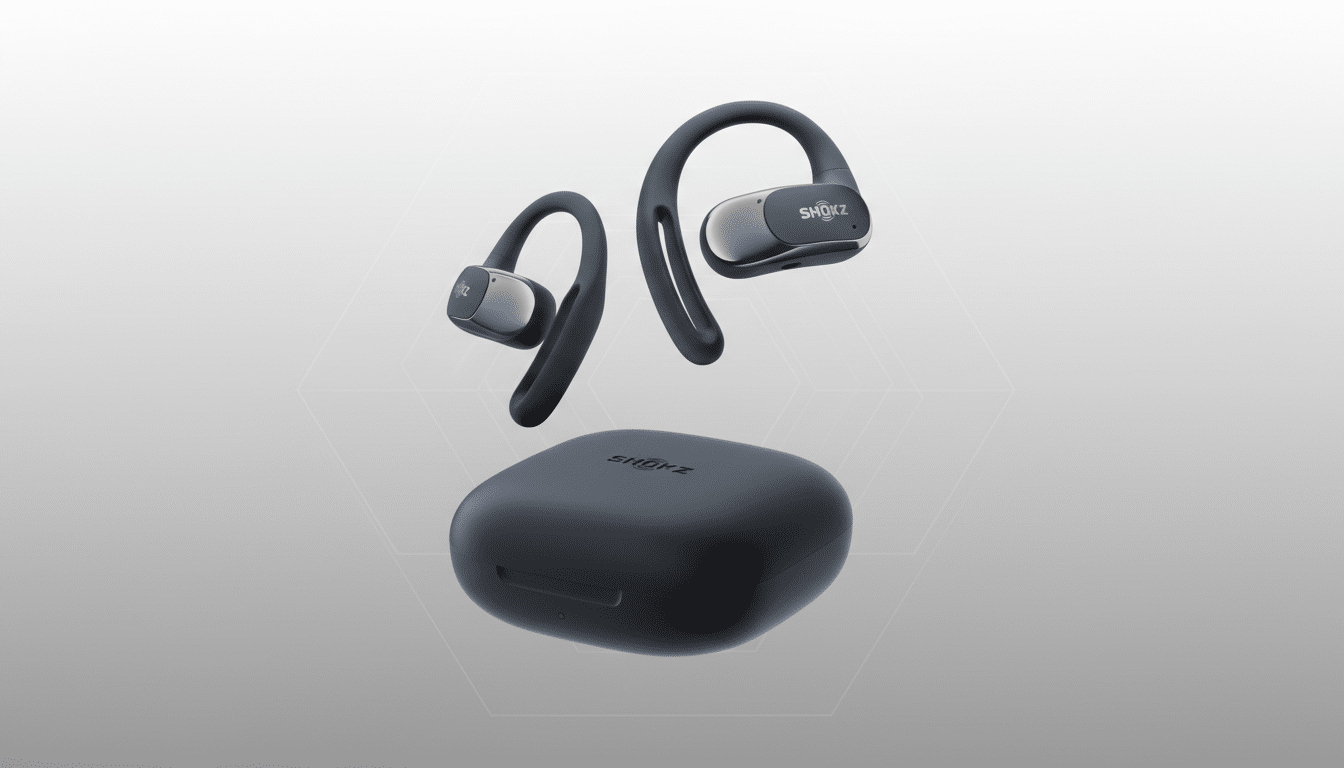
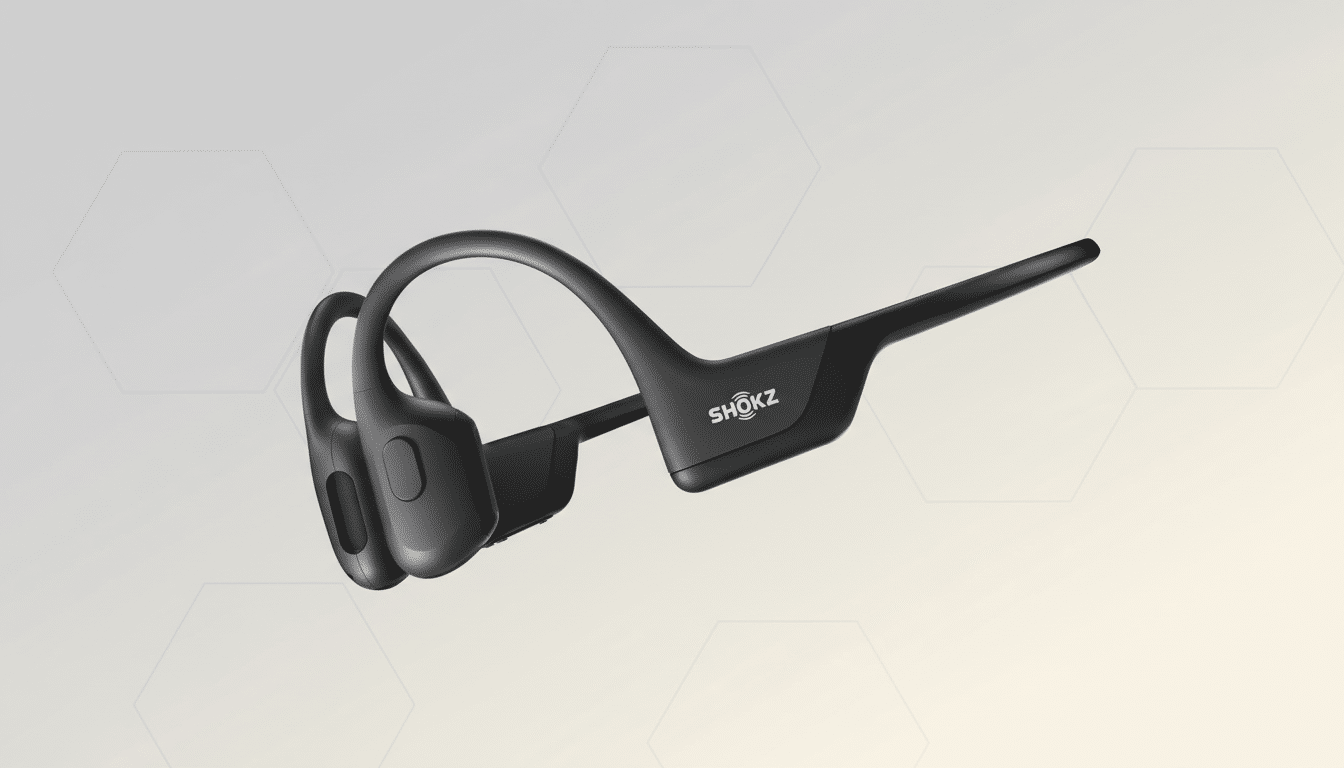
The designs are evolving just as quickly. Expect more clip-on ear cuffs and hook styles that don’t seal the ear canal, paired with hybrid tech that adds selective noise reduction when you want it. Brands built around openness, like Shokz, have pushed into “leak compensation” and dynamic EQ so bass doesn’t vanish into thin air. Others, including Bose and mainstream handset makers, are blending ultra-compact drivers with smarter venting to keep music private while ears stay open.
Microphones are getting a brain upgrade. New Qualcomm and MediaTek audio platforms enable on-device AI for beamforming and voice isolation, cutting wind and street noise while reducing leakage. That matters for calls and for hearing health. The World Health Organization estimates roughly 20% of people live with some level of hearing loss, and open-fit designs with smarter processing can offer gentler listening at lower volumes.
Home Audio Goes Modular And Gets Room-Savvy
Soundbars aren’t going away, but modular systems are stepping in where cookie-cutter kits fall short. Sonos proved the model: mix a bar, rears, and subs over time. Now rivals are leaning in. Samsung’s standalone smart speakers can pair into stereo or expand with a sub, while LG’s new family lets you start with a bar and add wireless rears when budget—or space—allows.
The bigger shift is room awareness. Dolby Atmos FlexConnect and room-calibration suites from companies like Dirac adapt playback to the furniture and floor plan you actually have, not the perfect square shown in marketing shots. That’s key because few living rooms are symmetrical. Expect more auto-tuning via your phone’s mic, plus Wi-Fi-based links that are more robust than Bluetooth for multi-speaker setups.
The market math supports the pivot. Futuresource Consulting reports soundbar shipments have topped 20 million units annually for several years, but growth increasingly comes from multi-speaker ecosystems and premium tiers. Modular paths spread spending over time, and they future-proof systems as formats and standards evolve.
Spatial Audio Becomes The Baseline For Devices
Spatial audio is no longer a luxury badge. Dolby Atmos now spans TVs, phones, soundbars, earbuds, and even aftermarket car receivers, with licensing visible across a wide range of booths and product sheets. Music and video services have normalized immersive mixes, and gamers benefit from engines that natively render 3D soundfields.
The trickle-down is reshaping hardware. Expect more upfiring drivers in compact speakers, angled grilles on bars to steer height cues, and head-tracking options in headphones for a stable “audio bubble” as you move. Companies like Audioscenic are demonstrating beamformed “sweet spots” from a single desktop soundbar—no headphones required.
The Tech Making It Possible Across Audio Gear
Two standards are pivotal. Bluetooth LE Audio with the LC3 codec brings better quality at lower power, translating to smaller designs and longer battery life. Auracast—part of LE Audio—enables one-to-many broadcasts, so venues can beam TV audio to any compatible earbuds. The Bluetooth SIG has been seeding pilots in airports, arenas, and museums, a strong signal that public audio is coming to your pocket.
On the processing side, next-gen chipsets support on-device AI for ANC, transparency, and voice pickup, reducing reliance on cloud models and slashing latency. In speakers, Wi-Fi 6 and early Wi-Fi 7 platforms raise bandwidth for lossless and object-based audio, while room correction leverages more precise microphones and faster DSPs. Expect more recycled materials, repairable parts, and USB-C across cases and accessories as sustainability and regulation shape industrial design.
How To Shop The Shift In Headphones And Speakers
If you’re eyeing new headphones, try an open-ear or hybrid model alongside traditional ANC. Check for LE Audio and a clear roadmap to Auracast if public broadcasts matter to you. For speakers, look at modular families that support Dolby Atmos, room calibration, and Wi-Fi surrounds, not just Bluetooth.
The throughline is simple: form is following function. Headphones are opening up because they’re built to be worn longer, in more places. Speakers are getting smaller on day one because they’re designed to grow with you. Spatial audio is everywhere because the content and chips finally caught up. That’s why your next pair—and your next system—will look different, and sound better, than you expect.
