


If your feed suddenly filled with Luther Vandross, Kendrick Lamar, and Cher, there’s a reason. A split-second mix-up during the Record of the Year reveal set off a wave of confusion—and celebration—tying a new chart-dominating single back to a soul icon whose voice defined generations.
What Cher Said and Why It Happened on Live TV
Onstage to announce Record of the Year, Cher opened the winner’s card, hesitated while looking for a teleprompter cue, and then said “Luther Vandross.” The actual winner: “luther,” Kendrick Lamar’s reflective collaboration with SZA. The moment instantly trended, but the apparent slip wasn’t random—it pointed straight to the DNA of the record.
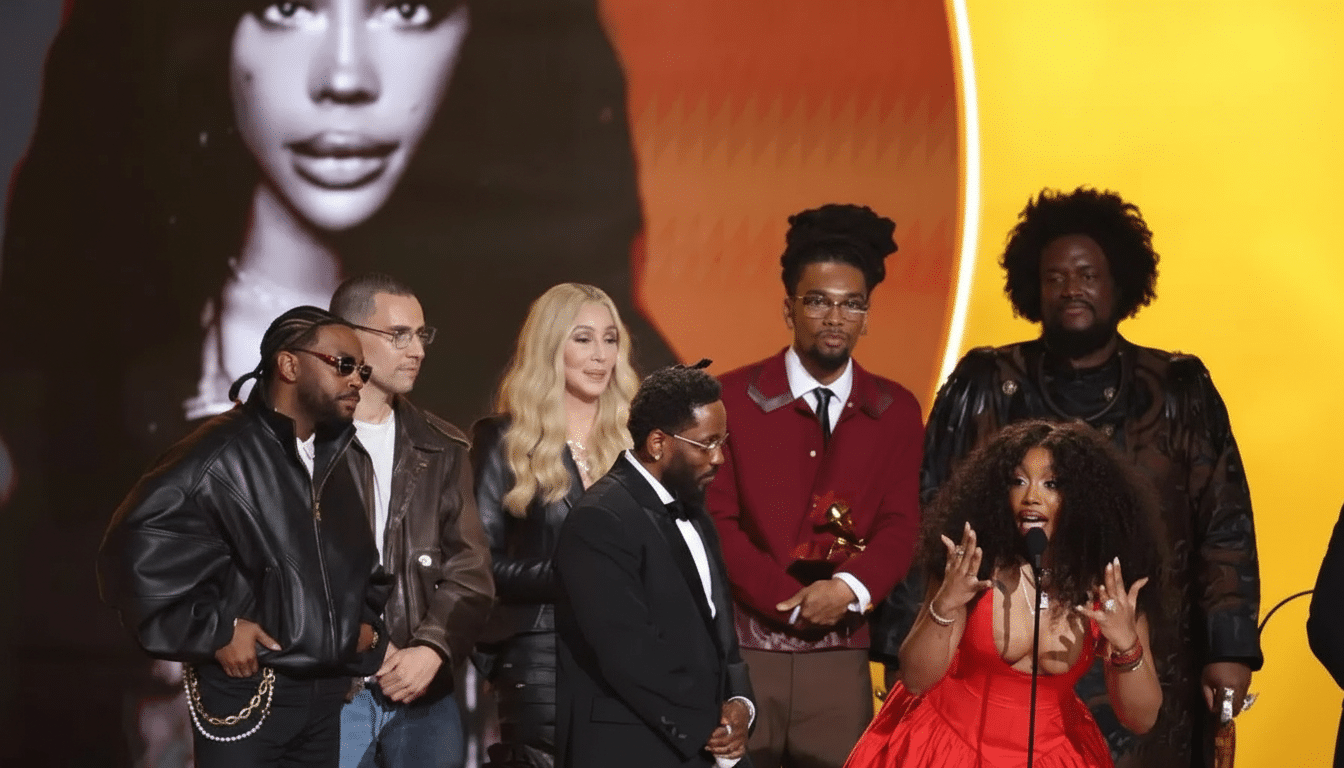
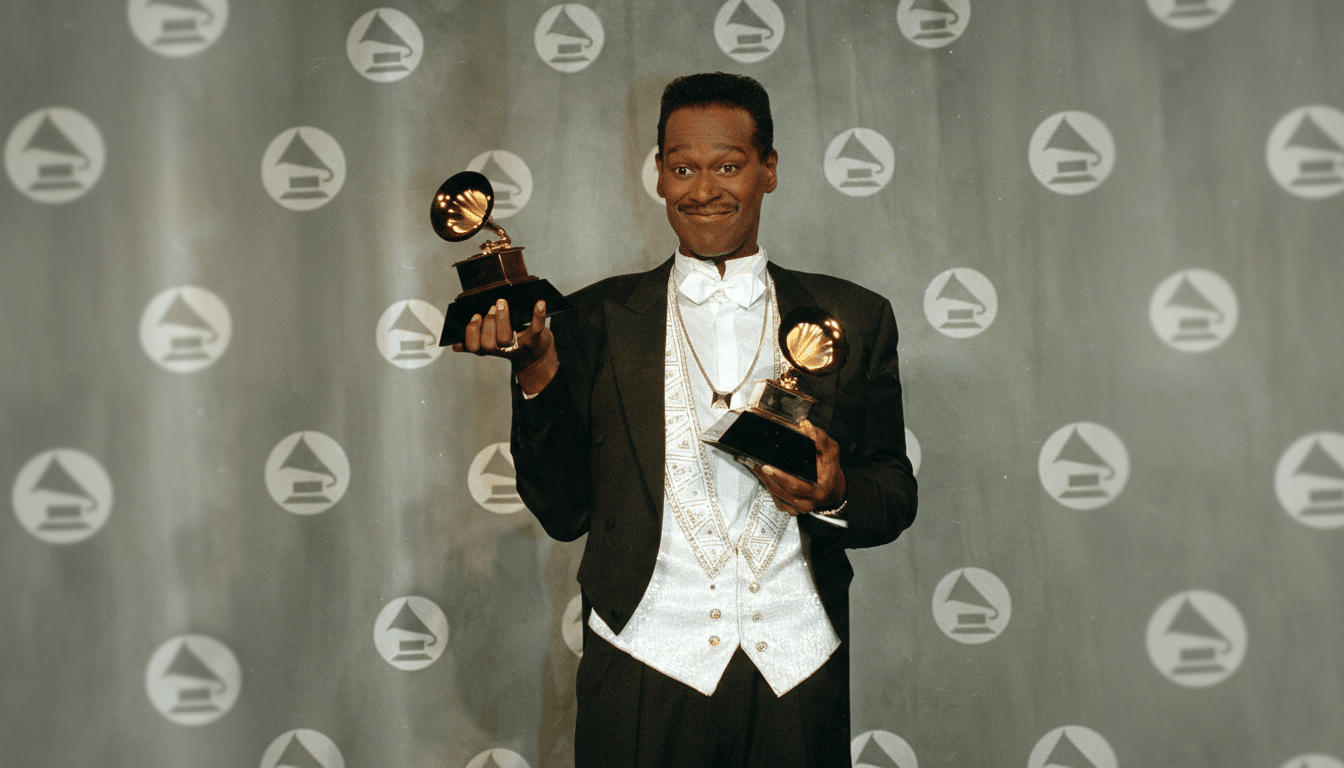
Vandross is baked into the song’s core. The track draws on the 1982 Luther Vandross and Cheryl Lynn rendition of “If This World Were Mine,” itself a reinterpretation of Marvin Gaye’s 1967 composition. In other words, Cher’s brain went where the music led: back to a timeless voice that the new hit reverently amplifies.
The Winning Record and Its Roots in Soul Classics
“luther” became one of the night’s biggest stories, earning Record of the Year while also taking Best Melodic Rap Performance. It arrives from Lamar’s 2024 album GNX and pairs his storytelling with SZA’s velvet phrasing, built on a sample that honors Vandross and Lynn without reducing them to nostalgia.
The record’s intricate production—helmed by Sounwave, Kamasi Washington, Jack Antonoff, Scott Bridgeway, M-Tech, and roselilah—wraps the sample in modern orchestration and live-sounding textures. Co-writers Lamar, SZA, Ink, and Sam Dew keep the composition agile, letting the original’s romance and ache set the emotional temperature while the new performance asserts its own purpose.
How Vandross figures into the credits and clearances
Clearing a sample like this is a two-step process familiar to anyone in music law: you need permission for the recording (typically from the label that owns the master, in Vandross’s case tied to Sony’s catalog) and for the underlying composition (Marvin Gaye’s publishing, historically administered through Motown’s Jobete and now under the Universal Music Publishing Group umbrella). Producers onstage emphasized how carefully they handled both the paperwork and the art, noting their priority was maintaining the integrity of Vandross’s performance.
One telling detail from the team: the clearance came with a content stipulation—keep the language clean. That kind of condition is common when estates or legacy artists want to safeguard the tone of the original. Lamar called Vandross a personal favorite and framed the approval as a privilege; SZA echoed that sentiment, stressing that their record rides on the energy Vandross and Lynn already gave the world.
Why Luther Vandross Is Suddenly Trending
Beyond the viral clip, the explanation is structural. Moments like this push audiences to rediscover the source, and catalog surges are the norm when contemporary hits sample classics. Luminate, the industry’s primary data tracker, has consistently reported that catalog makes up roughly 70%+ of U.S. music consumption, a sign that older recordings are the backbone of listening even as new hits drive headlines. A prime-time Grammy spotlight plus a direct reference from Cher is a perfect recipe for a Vandross streaming bump.
SZA also reframed the discourse in a brief red-carpet chat with Entertainment Tonight, suggesting Cher’s association wasn’t off-base: the winning record operates on Vandross’s frequency. The sentiment lands: when a sample is honored rather than exploited, the legacy and the new work rise together.
Record Of The Year Versus Song Of The Year
Part of the confusion stems from what the category celebrates. The Recording Academy defines Record of the Year as an award for the performance and the overall production—the vocals, the mix, the studio craft—not just the songwriting. That framing explains why producers stood front and center and why a meticulous sample treatment can be decisive. Grammys history shows the Academy isn’t shy about honoring sample-forward or interpolation-heavy smashes; think of how “Uptown Funk” formalized additional songwriting credits to reflect its lineage while sweeping major categories.
The Bigger Picture For Kendrick Lamar And SZA
For Lamar, the win marked a night of dominance, stacking up multiple trophies and a new career milestone. More interesting than the count was the framing: he positioned “luther” as a bridge between generations, an argument that reverence and innovation can live in the same groove.
SZA used the spotlight for something broader: a reminder not to surrender to despair even when algorithms reward doom. She thanked Lamar for the lift and turned the acceptance into a community message—art can be connective tissue when everything else feels unsteady. That, ultimately, is the cleanest explanation for why Vandross trended: a classic voice met a modern stage, and the result felt like continuity rather than collision.
