


Google is rolling out native 9:16 video generation in Gemini via Veo 3.1, bringing social-first, vertical clips straight from a text prompt without awkward crops or post-processing. It is a small UI change with big downstream implications: creators, marketers, and product teams can now output TikTok-, YouTube Shorts-, and Reels-ready footage in a single step.
Google positions the update as mobile-first. Instead of rendering in landscape and slicing the frame, Veo 3.1 composes shots vertically from the start, which should reduce cut-off subjects, awkward framing, and letterboxing while also trimming generation time. In practical terms, it means faster, cleaner results tailored for the feed.
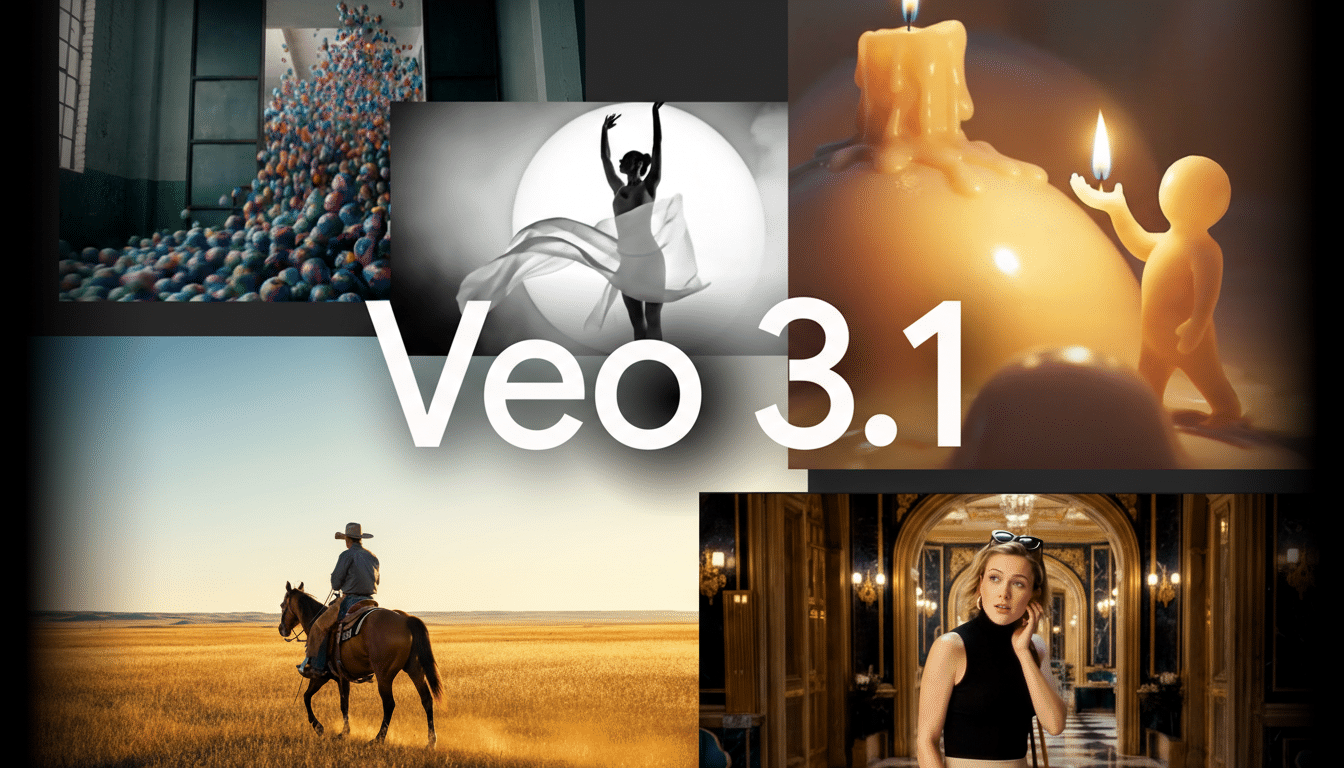
What Veo 3.1 Changes in Gemini’s Native Vertical Mode
The new mode prompts Veo to treat vertical as the primary canvas: camera placement, motion, and subject emphasis are designed for a tall frame, not a retrofitted one. That matters because scene geometry, eye lines, and text-safe regions differ dramatically between 16:9 and 9:16. Generating full-frame vertical video helps preserve intent and maintain temporal consistency across cuts.
Speed is part of the pitch. Google says the vertical mode yields faster output, an important factor as teams iterate on multiple versions of a clip. While Google has not detailed frame rates or token budgets, Veo’s recent track record is strong; multiple Veo variants currently sit atop LM Arena’s text-to-video leaderboard, signaling competitive quality in motion coherence and prompt fidelity.
Inside Gemini, users can prompt concepts like “time-lapse sunrise over a coastal city, clean modern typography, high contrast” and receive a vertically composed result tuned for small screens. For teams shipping to multiple platforms, this reduces the old workflow of generating in widescreen, then recutting for each app.
Why Vertical Video Matters for Social Platforms Today
Vertical video is no niche. YouTube has said Shorts reaches more than 2 billion logged-in users monthly, and the company previously reported tens of billions of daily views. TikTok built its entire experience around 9:16, and Reels is now a central engagement driver across Instagram and Facebook. An AI model that composes natively for this format aligns with where attention already lives.
For brands, the economics are clear: faster testing cycles, lower production costs, and more platform-fit variations. For independent creators, the friction drop is even starker—less time wrestling with aspect ratios and motion reframing, more time iterating ideas.
Implications for Creators and Brands Using Veo 3.1
Expect an uptick in AI-first creative: quick product explainers, travel vignettes, stylized recipes, and ambient loops designed to capture attention in under three seconds. Because Veo 3.1 composes for 9:16, elements like headroom, subject centering, and action lines should survive platform compression and safe-area overlays more reliably than cropped outputs.
Developers building social tools around Gemini can also simplify pipelines. Rather than running a secondary pass for smart-cropping or face tracking, they can request vertical masters from the outset, saving compute and latency. This could influence everything from ad creative generation to A/B test platforms that spin up dozens of variants per campaign.
Quality and Safety Considerations for AI Vertical Video
More AI-native vertical content will amplify a trend some critics already deride as an “infinite slop” feed, especially after recent launches like Meta’s Vibes, which centers entirely on AI-generated clips. The same tooling that accelerates quality work can also accelerate low-effort output. Discovery systems and labeling will matter.
On the provenance front, Google has promoted the use of SynthID, an invisible watermarking system from its research teams, and has signaled support for broader standards such as C2PA metadata. Observers will watch whether Veo 3.1 outputs in Gemini consistently carry robust identifiers and whether platforms surface that information to viewers.
What to Watch Next as Gemini’s Vertical Video Expands
Key questions remain: How flexible is Veo 3.1 on duration and resolution in vertical mode, what controls exist for fine-grained framing and camera paths, and when will API access land for developers at scale? Integration with YouTube Shorts workflows and enterprise services like Vertex AI would quickly extend reach.
For now, the headline is straightforward. Veo 3.1’s native 9:16 generation inside Gemini removes a persistent pain point and aligns Google’s flagship video model with how people actually watch. Expect both a creative burst and a louder debate over how to separate standout work from the flood.
