


Google has introduced the Pixel 10a, a $499 midrange phone whose headline feature is refreshingly simple yet immediately useful—a completely flat backside with a camera array that sits flush to the panel. The company keeps pricing steady while refining the A-series formula with brighter display tech, tougher materials, and the same AI smarts found on pricier models.
The design shift that began with last year’s A-series now reaches its logical conclusion: no visor, no lip, and no wobble when the phone rests on a desk. The 10a maintains the approachable Pixel look, adds sturdier protection, and arrives in four finishes—Lavender, Berry, Fog, and Obsidian—without inflating the budget-friendly price.
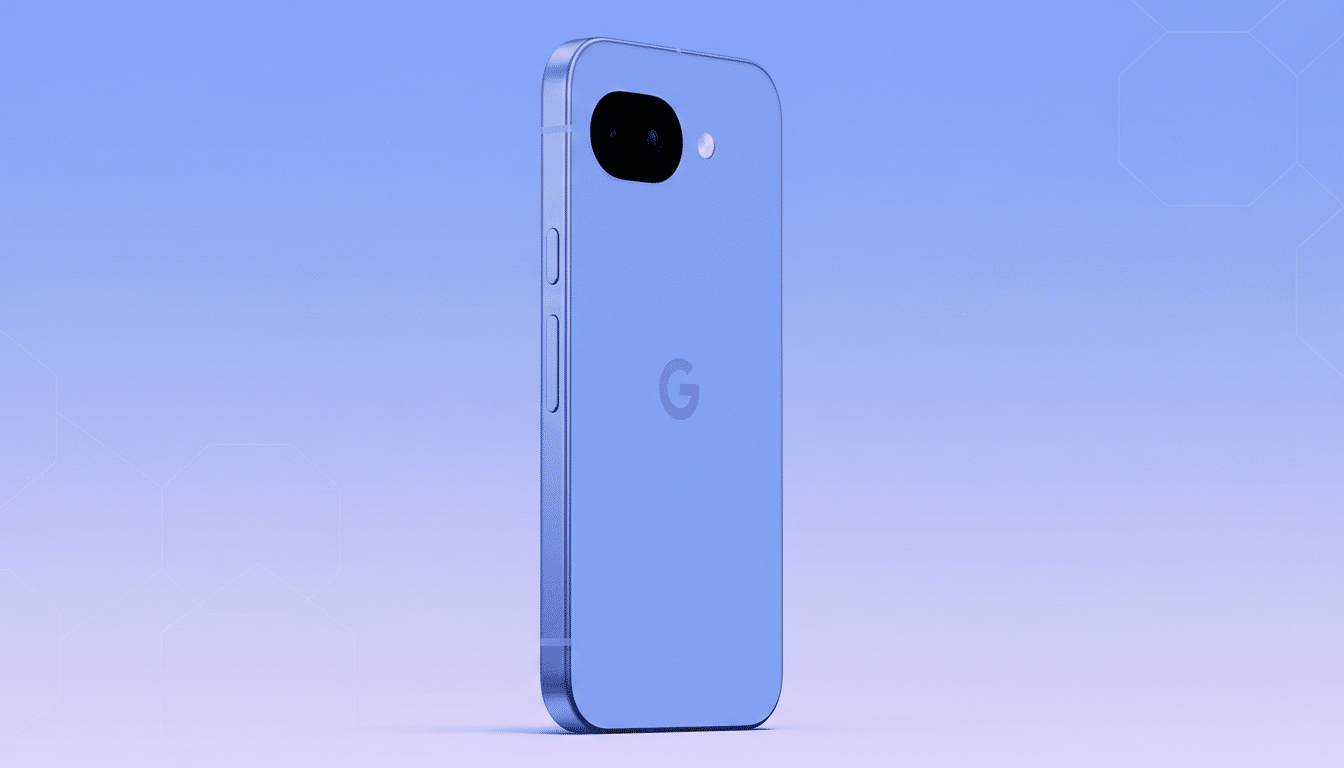
A Flat Back That Finally Lies Flat On Any Surface
Flat backs may sound trivial until you try to type on a table, scan a document, or frame a photo timer shot with a phone that rocks. By bringing the camera module fully flush, Google addresses a daily annoyance that has persisted across many modern devices with protruding lenses. In brief hands-on demos, the Pixel 10a sat level and stable—no shimmy, no improvised coaster required.
There’s a practical durability angle, too. A flush array reduces the chance of the lens ring taking the brunt of an impact and limits the grit that accumulates around raised housings. For case makers, a perfectly flat plane is easier to protect uniformly, which should translate into slimmer cases without awkward cutouts.
Display and Durability Upgrades for Outdoor Use
The 6.3-inch Actua OLED panel runs at 1080×2424 with a 60–120Hz adaptive refresh rate and peaks at up to 3,000 nits, which Google says is 11% brighter than the Pixel 9a. That brightness puts the 10a closer to flagship readability in harsh sunlight and gives HDR video more headroom for specular highlights.
Protection receives a notable lift with new Corning Gorilla Glass 7i on the display and an IP68 rating for water and dust resistance. IP68 is still uncommon in sub-$500 phones—many rivals in this bracket stop at IP67—making the 10a better prepared for rain, spills, and beach days. The combination of higher brightness and stronger glass suggests Google prioritized outdoor usability, a frequent pain point cited in user surveys from firms like J.D. Power.
Same Tensor G4, Different Strategy for the 10a
In a break from tradition, Google sticks with the Tensor G4 in the Pixel 10a even though the flagship Pixel 10 moved to Tensor G5. On paper that looks conservative, but it is a clear cost-tuning play: mature silicon often brings steadier thermals, predictable battery draw, and tighter optimization across Google’s software stack.
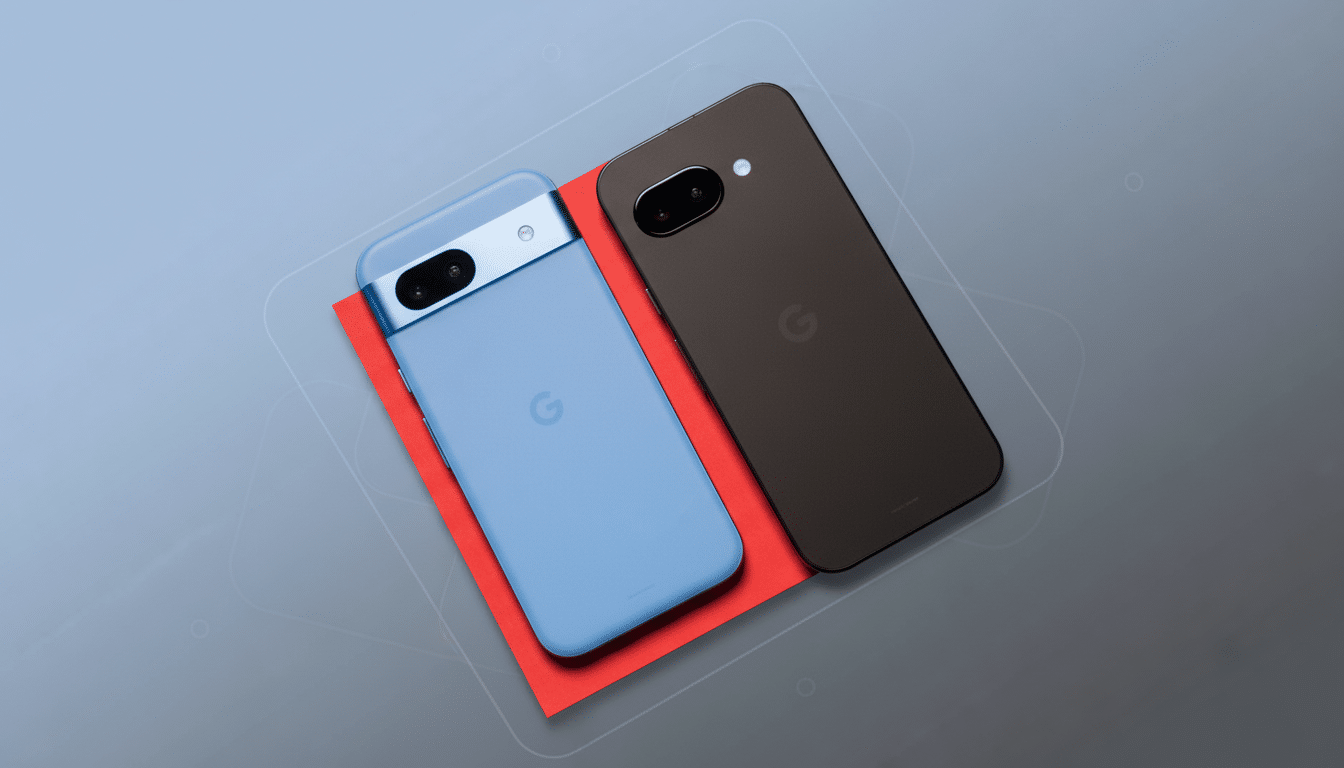
Crucially, Google says the 10a delivers AI feature parity with the Pixel 10. That means on-device enhancements such as call screening, live translation, photo cleanup tools, and summarization features are all in the mix. For everyday tasks—messaging, maps, camera, and multitasking—the G4 remains more than capable, and the 5,100mAh battery should benefit from another year of tuning. Recent research from Counterpoint notes that North American upgrade cycles are approaching three years, underscoring why longevity and day-to-day consistency matter more than peak benchmark spikes for many buyers.
Cameras Without the Bump for Better Stability
The 10a keeps a familiar camera recipe: a dual rear system with 48MP and 13MP sensors, plus a 13MP selfie camera. Hardware parity with the 9a is intentional—Google’s strength remains computational photography. Expect staples like Night Sight, Real Tone, Super Res Zoom, and improved skin-tone rendering to carry the load, now packaged in a flatter, more pocket-friendly silhouette.
Losing the bump can also help stability for longer exposures or desk-level time lapses. It’s a small change with outsize effects for anyone who uses a phone as a mini tripod between coffee mugs or book stacks.
Price, Availability, and the Midrange Context
At $499, the Pixel 10a slots into a fiercely competitive tier headlined by devices like Samsung’s Galaxy A-series and the iPhone SE. Google counters with IP68 protection, a 120Hz display, and the promise of long-term software support that has become a calling card for the Pixel line. Preorders open immediately from Google, with Amazon offering a $100 gift card incentive for early buyers.
Midrange phones have been steadily gaining ground as buyers look for value and longevity; IDC and Counterpoint have both tracked rising share for sub-$600 models in the U.S. over recent cycles. By focusing on a tangible quality-of-life improvement—the fully flat back—while maintaining price discipline and upgrading brightness and durability, the Pixel 10a reads like a confident refinement rather than a risky pivot.
If you’ve been waiting for a sensibly priced Android phone that won’t rock on your desk, the Pixel 10a may feel like it was designed specifically for you. The rest of the package is familiar in the best way, and that is exactly the point.
