


Google is rolling out a significant upgrade to Translate, its AI-based service that attempts to interpret language. Fueled by upgraded Gemini models, the app now also purports to make idioms less stilted (no “curiosity killed the cat” for you anymore), introduce Duolingo-style learning streaks, and expand Live Translate’s reach to additional headsets and countries.
Smarter slang and idiom translations in Google Translate
Idiomatic expressions are particularly difficult for machines, since literal word-by-word substitution will not work in context. With the new update, Google says that Translate and related results in Search will more easily understand meaning and tone, so a phrase like “break a leg” or “spill the tea” will show intention rather than clunky literal output. Look for enhancements in over 20 languages and variants beyond English, including Arabic, Chinese, German, Japanese, and Spanish.
In practical terms, a translation of Spanish “estar en las nubes” ought to see “daydreaming,” not “to be in the clouds.” Japanese’s “空気を読む” might come in as “read the room,” and Arabic idioms that depend on cultural shorthand can hit with just the right degree of sensitivity. These are precisely the kinds of instances where large multimodal models pre-trained on more context do better than classic neural machine translation, and Google is clearly leaning on Gemini to fill that gap.
The update is rolling out to Android, iOS, and web users, with an emphasis on those in the US and India. Beyond the app, those same underlying enhancements will ultimately be used to power translations that come up in Search, which can serve as a shorthand for everyday questions.
Live Translate grows beyond Pixel Buds to more devices
Live Translate, Google’s nearly real-time voice translation feature, is coming to more earbuds and headphones outside of Pixel Buds. The company says that the beta experience now supports more than 70 different languages and can better maintain a speaker’s tone, emphasis, and cadence — an area where expressive delivery has tended to get flattened out by automated systems.
There are caveats: The experience is still one-way, so it’s designed to help you understand what you’re hearing rather than conduct a back-and-forth conversation. Still, the ability to use third-party headphones and receive an accurate rendering of a lecture, tour guide, or meeting in your chosen language is a step closer to universal ambient translation. The availability is expanding to users in the US, Mexico, and India and should work with whatever headphones you choose.
Learning tools add streaks and broader availability
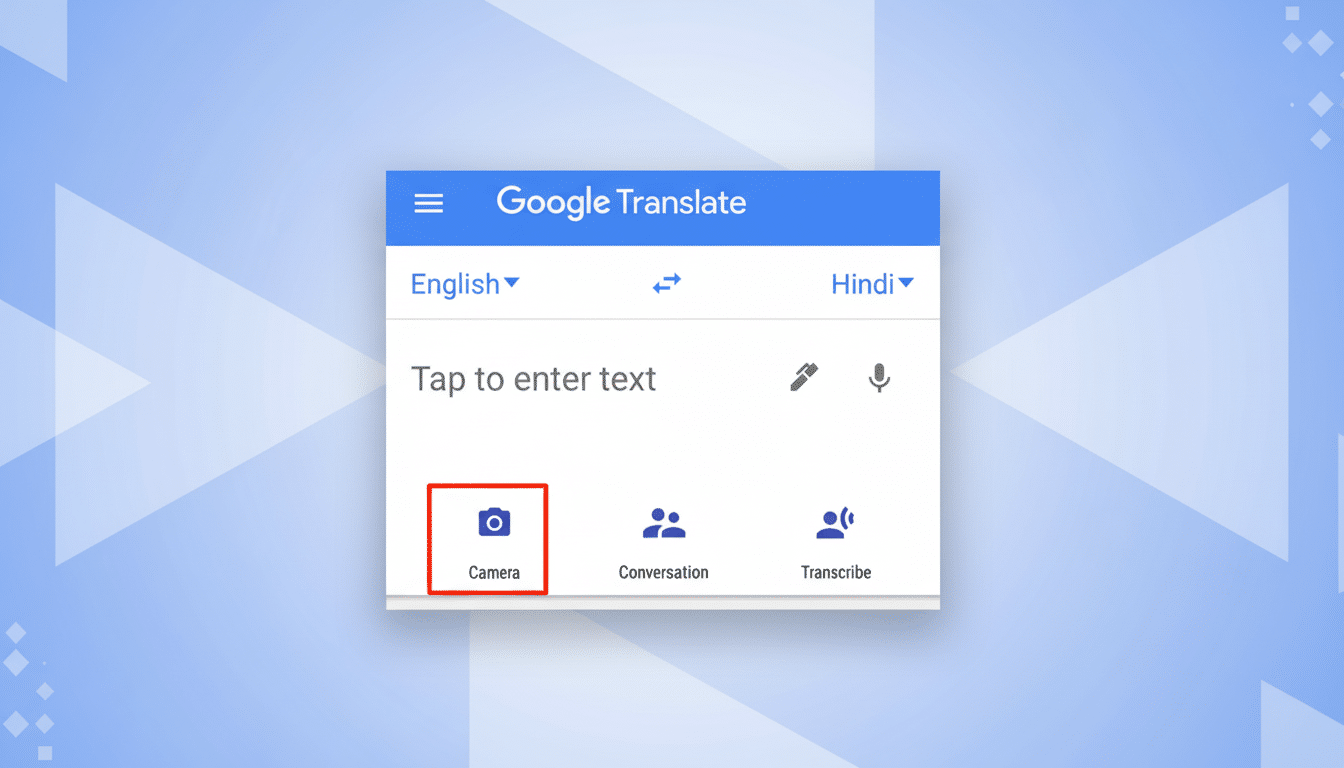
Translate’s built-in learning tools are getting better, too. Google is making them available in 20 more languages like German, Hindi, Swedish, and Taiwanese and adding a daily streak tracker that will look familiar to anyone who’s played around with Duolingo. Its gamified streaks aren’t just a gimmick — habit research conducted by University College London found that consistent, everyday repetition is one of the strongest predictors of long-term behavior change.
In practice, the experience coaxes you to return for focused short bursts: learn phrases, test your understanding, and develop vocabulary in the same app that you use to perform real-world translation.
The convenience is important, particularly for casual learners who won’t necessarily sign up for a standalone course but simply aim to make some consistent progress.
Why these Google Translate updates matter to global users
Google has previously said that Translate supports 500 million users and translates more than 100 billion words a day. At that level, small quality improvements add up to large real-world gains. Idiom-aware output can surface and prevent common misunderstandings in travel, customer support, and cross-border e-commerce, while more lightweight Live Translate lowers the barrier for listening across languages in classrooms and workplaces.
The competitive landscape is heating up — players like DeepL, OpenAI-powered plugins, and system-level tools by smartphone makers are all chasing context-aware translation. In tapping Gemini for nuance and layering habit-forming learning features in the mix, Google is positioning Translate as both a utility and daily study companion. If the idiom upgrades are everything they promise to be, the app will not only explain what words mean to you but also what people do.
