


Google is getting ready to add new motion controls for the Pixel Watch, if an APK teardown of the latest companion app is anything to go by. Buried code indicates two new features coming to Wear OS on Pixel watches: double-pinch and wrist-turn gestures meant to expedite quick actions without touching your screen.
What the Pixel Watch companion app code reveals
Strings discovered in the Pixel Watch app (version 4.2.0.833802130) specifically mention a double pinch to answer calls, interact with notifications, take pictures, and more.
- What the Pixel Watch companion app code reveals
- How the new Pixel Watch gestures might work on Wear OS
- How Google’s Pixel Watch gestures catch up with rivals
- Compatibility and rollout timing for these new gestures
- Why gesture controls matter for Wear OS and Pixel Watch
- What to watch next as Google readies gesture controls
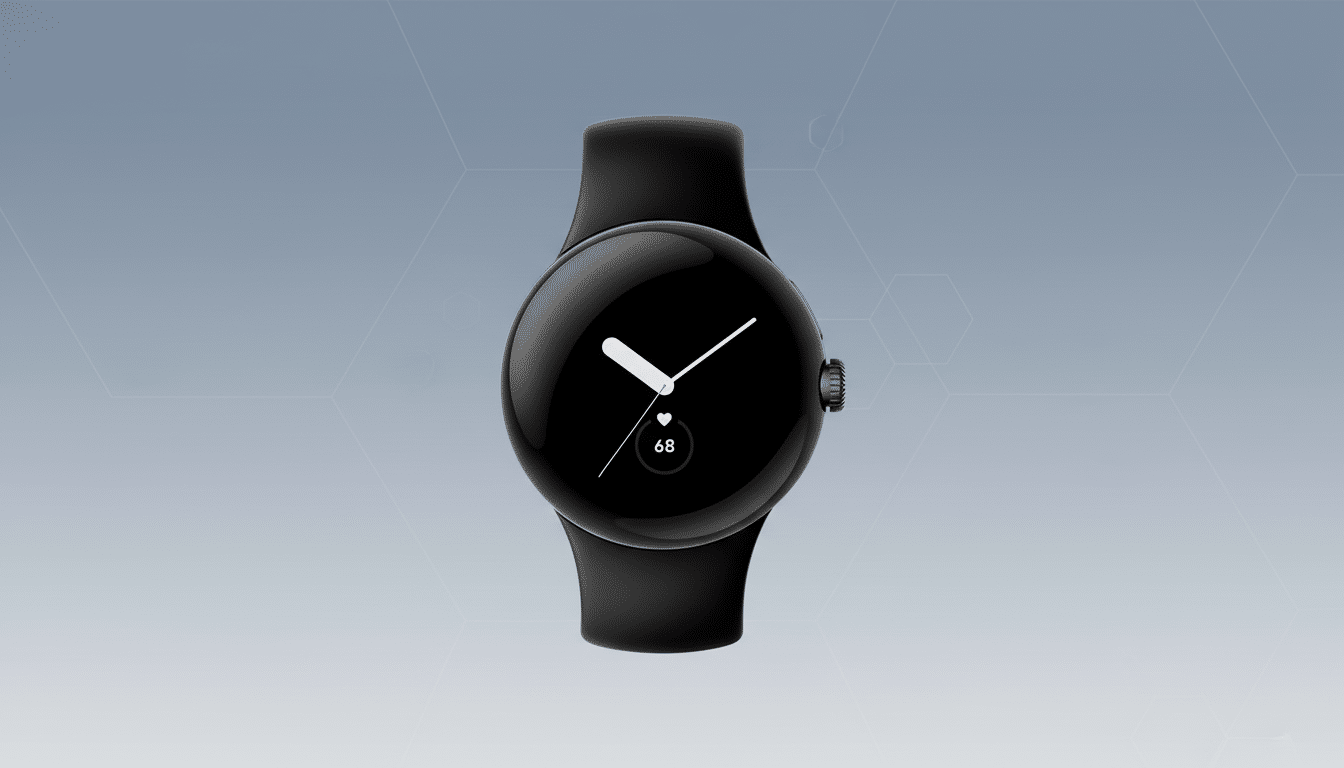
Then there’s a wrist turn, which can be used to mute calls and dismiss an alert notification. Although the features themselves aren’t live, so you can’t turn them on, this language sounds like user-facing descriptions rather than developer filler text.
Today’s Pixel Watch already includes a few motion options: Raise to Talk for triggering Gemini, Tilt-to-Wake, Touch-to-Wake, Rotate Crown to Wake, and a hardware combo for screenshots. The gesture additions teased here would be the first substantial arrivals since Raise to Talk came with the Pixel Watch 4.
How the new Pixel Watch gestures might work on Wear OS
Double-pinch gestures are generally sensed by fusing accelerometer and gyroscope data, as well as slight changes obtained via the optical heart-rate sensor when finger taps occur. Apple’s Double Tap, for instance, uses on-device machine learning to read micro-motions and changes in blood flow detected by those sensors to initiate one-handed gestures on Apple Watch. Anticipate Google using a similar sensor-fusion solution, in concert with an ML model optimized for Pixel Watch hardware.
Chances are wrist-turn control likely revives the old wrist-flick navigation that Android Wear and early versions of Wear OS 2 sported, which enabled users to flick their wrists to view more cards at a time. In the new integration, wrist turns are aligned to handle calls and dismiss alerts with a more focused action, rather than navigating through the entire UI.
How Google’s Pixel Watch gestures catch up with rivals
Apple and Samsung have been perfecting gesture-first interactions for years. Apple’s Double Tap on newer watches allows you to answer calls, open Smart Stack, snooze alarms, and control timers—all without your fingers smudging up the screen. Samsung’s Galaxy Watch line has Quick Gestures (like pinching and drumming fists) to answer or reject calls and manipulate apps. Google bringing in some capability in this area would fill an obvious gap and cut back on the friction of doing simple things such as triaging your notifications while mobile.
There’s also an accessibility angle. One-handed gestures are useful for people who have limited movement, or whose other hand is otherwise engaged or occupied, as in the middle of a workout or carrying groceries. A Pixel Watch with top-notch motion controls would fit Google’s more general push for inclusive design on Android and Wear OS.
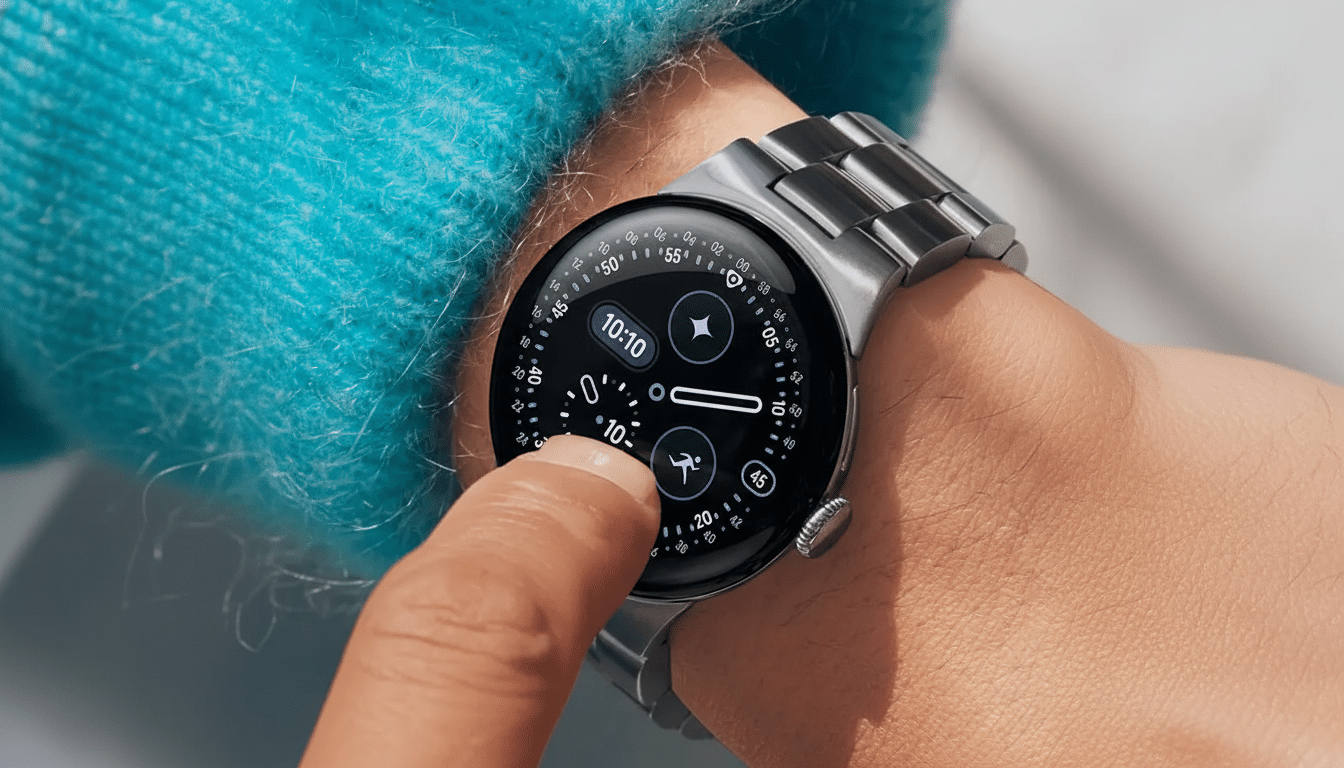
Compatibility and rollout timing for these new gestures
The teardown doesn’t say which Pixel Watch models will get these new gestures, or when they will ship. Google could bring these features as part of a Pixel Feature Drop or include them in a future Wear OS update. As always with features found in code, plans may change before official release, and hardware restrictions could keep support limited to more recent models if extra sensor fidelity or on-device ML processing is necessary.
Battery drain and false positives remain important questions. Apple has promised that its Double Tap is power efficient, and Samsung has adjusted sensitivity settings through generations. I could see Google providing toggles and maybe per-app controls, with conservative defaults that err on the side of reliability over aggressiveness.
Why gesture controls matter for Wear OS and Pixel Watch
Gesture controls transform a smartwatch from a notification mirror to an active device.
Snappy, eyes-up interactions—answering a call with a pinch, silencing a ringing phone with the turn of your wrist, snapping hands-free photos—make the watch feel more responsive and personal. Analyst firms have remarked on Wear OS’s visible momentum since Samsung turned the platform around; closing usability gaps with its rivals would be one of the quickest ways to maintain that momentum.
If Google gets it right, these finger twitches could become systemwide shortcuts for things like music playback, timers, navigation prompts, and controls for a camera shutter (in a Pixel Watch Camera app that doesn’t yet exist but is an obvious use). A well-executed developer API could allow third-party apps to hook into these gestures for context-aware actions.
What to watch next as Google readies gesture controls
Keep an eye on the next updates to Pixel Watch apps and Feature Drops for those user-facing toggles marked Double Pinch and Wrist Turn. Be on the lookout for calibration flows, sensitivity settings, and integrations with core apps such as Phone, Messages, Camera, and YouTube Music. Combined with some on-device ML enhancements, if Google rolls out these gestures, the Pixel Watch could enjoy a very compelling day-to-day convenience lead for Wear OS users.
For now, the code is the strongest sign yet that gesture-first control is back on Google’s smartwatch roadmap—and it’s something that should be genuinely useful this time around.
