


Samsung is adding a personal touch to its living room lineup, announcing that Google Photos and Google’s whimsical Nano Banana experiment are coming to Samsung AI TVs. The move transforms the TV into a joint canvas for memories and chill, AI-driven fun rather than just channels or apps — elevating the platform from something that divides your family’s attention to something more collective and ambient.
Google Photos Memories Now Available On Big Screen
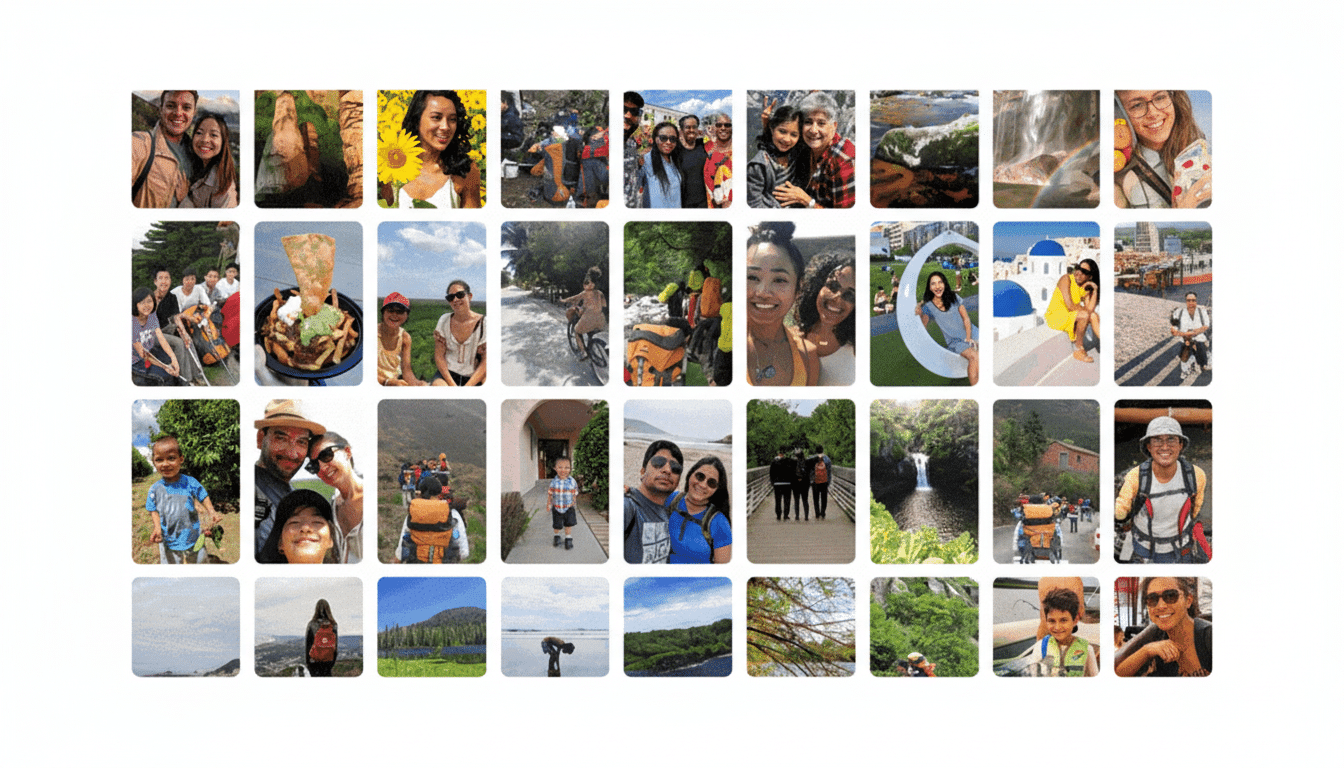
At the center of the integration is Google Photos’ Memories, which create highlight reels around people, places and moments. Samsung says its TVs will be the first to offer the entire Memories experience on a television, displaying storylike collections without making you search through your phone.
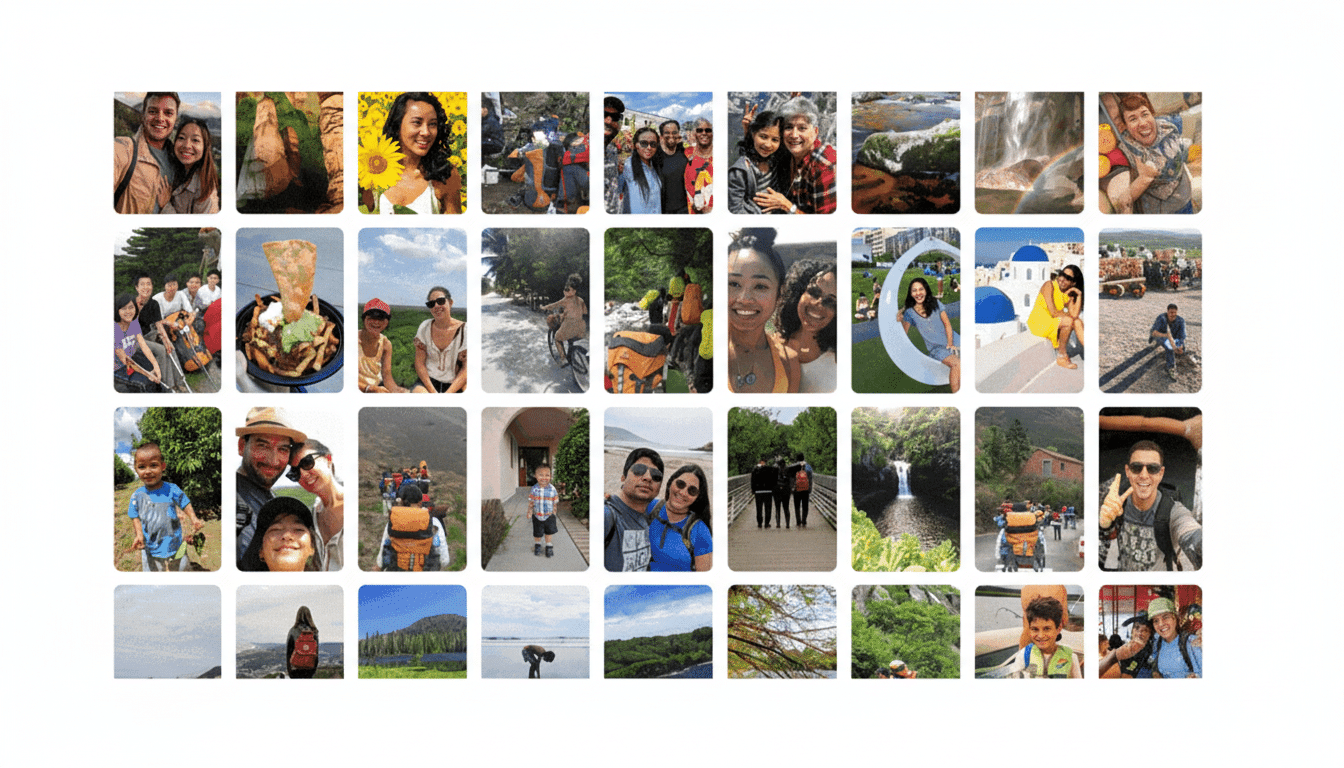
Practically speaking, that means your vacation recap or the kid’s birthday montage can come to life in your living room in theatrical sequencing and dynamic layouts. But instead of existing as a static screensaver, Memories will be integrated into the TV experience so you see those reels in context, not just inside an islanded app.
Samsung is framing this as an emotional upgrade, not just a technical one. Executives refer to the aim as helping households rediscover and relive favorite moments together, touting shared viewing over one-on-one phone screens. It’s a shrewd bet: According to Google, more than 1 billion people use Google Photos worldwide, and the living room is still the biggest shared screen in many homes.
But in addition to those playback features, Samsung and Google are envisioning AI-driven creation tools that could remix photo sets for you, slap on tasteful templates and even animate stills into quick video-like memories. Themed slideshows — like travel, pets or holidays — are meant to cut down on the manual curation most folks never get around to completing.
What Nano Banana Brings To The Living Room
Accompanying Photos, Samsung teased Nano Banana, a lighthearted Google-made experience meant for spontaneous fun on the TV. Details are scant, but again the positioning seems to be snackable, family-friendly moments punctuating downtime — more character than chatbot, in other words, and a counterbalance to the softer, memory-forward direction of the platform.
The presence of Nano Banana highlights a larger one: ambient A.I. that makes shared space richer without always requiring active management.
Instead of yet another app tile, it’s the type of whimsy layering that you can view when your gaze happens to wander, a kindred spirit (of sorts) with the way modern TVs combine an art mode and information-filled widgets.
Why Samsung and Google Are Doing This Integration
For Google, the TV feels like a natural canvas for an expanded Photos experience that already helps power Chromecast’s Ambient Mode and is regularly counted among the most used cloud photo services. For Samsung, the move is another step towards making Tizen-powered TVs feel more personal and “sticky.” Industry trackers like Omdia routinely peg Samsung as the No. 1 TV vendor in the world, and converting that reach into daily engagement is an obvious next step.
There’s also an ecosystem play. Samsung’s Vision AI Companion is designed to find relevant content contextually — photos in apt response to the morning time and weather, for instance; or themed albums when multiple family members are detected in the room. But this is a much deeper, integrated kind of OS, services and AI cue scheme than basic screensavers do.
Privacy and Control Remain Core to the Experience
Whenever faces and family memories land on the largest screen in the house, control is key. Expect the existing set of Google Photos settings you rely on — things like face grouping, the option to hide certain people or pets from showing up in Memories and account-level sharing preferences — to carry over. Profile switching and easy no-thanks for all those multi-user households who’d prefer to keep their pics off the TV are other things that should be included.
For its part, Samsung has also prioritised on-device intelligence for some recognition tasks in its AI TVs and says the approach is designed to keep sensitive data safe. As always, it will be execution and explicit settings that decide whether families trust those features enough to keep them on.
How It Will Roll Out on Samsung TVs and Availability
Samsung says these will come in a future software update for its range of AI TVs — so they’ll be part of Tizen rather than a bolt-on app. Setup is supposed to be easy via connection to a linked Google account from your phone or by scanning a QR code, where you can choose which albums or Memories can appear, and how prominently they appear in Ambient or screensaver modes.
Support will be varied and is likely not going to cover every previous TV model, nor be supported in every region. Still, the trend is clear: The largest screen in a living room is turning into a canvas for home-grown media and friendly A.I. Google Photos provides the heart; Nano Banana contributes a wink. If it’s cinematic, tasteful and subtle, it could be a part of regular nightly couch time rather than just a CES demo that fades after the novelty is gone.
