


Google’s pivot from Assistant to Gemini has quietly removed a small but critical capability many people used every day. The beloved Continued Conversation feature — the one that let you ask follow-ups without repeating a wake phrase — no longer works in the standard Gemini experience. In its place sits Gemini Live, a more interactive voice mode that, on smart speakers and many phones, is effectively locked behind a paid tier.
What Changed and Why It Matters for Users
Continued Conversation arrived on Assistant years ago to make voice interactions feel natural. You could ask for headlines, then immediately request more context or a local angle without “Hey Google” between every turn. Google’s own support pages now note that several Assistant behaviors aren’t available in Gemini, and that includes follow-up listening in regular voice sessions.
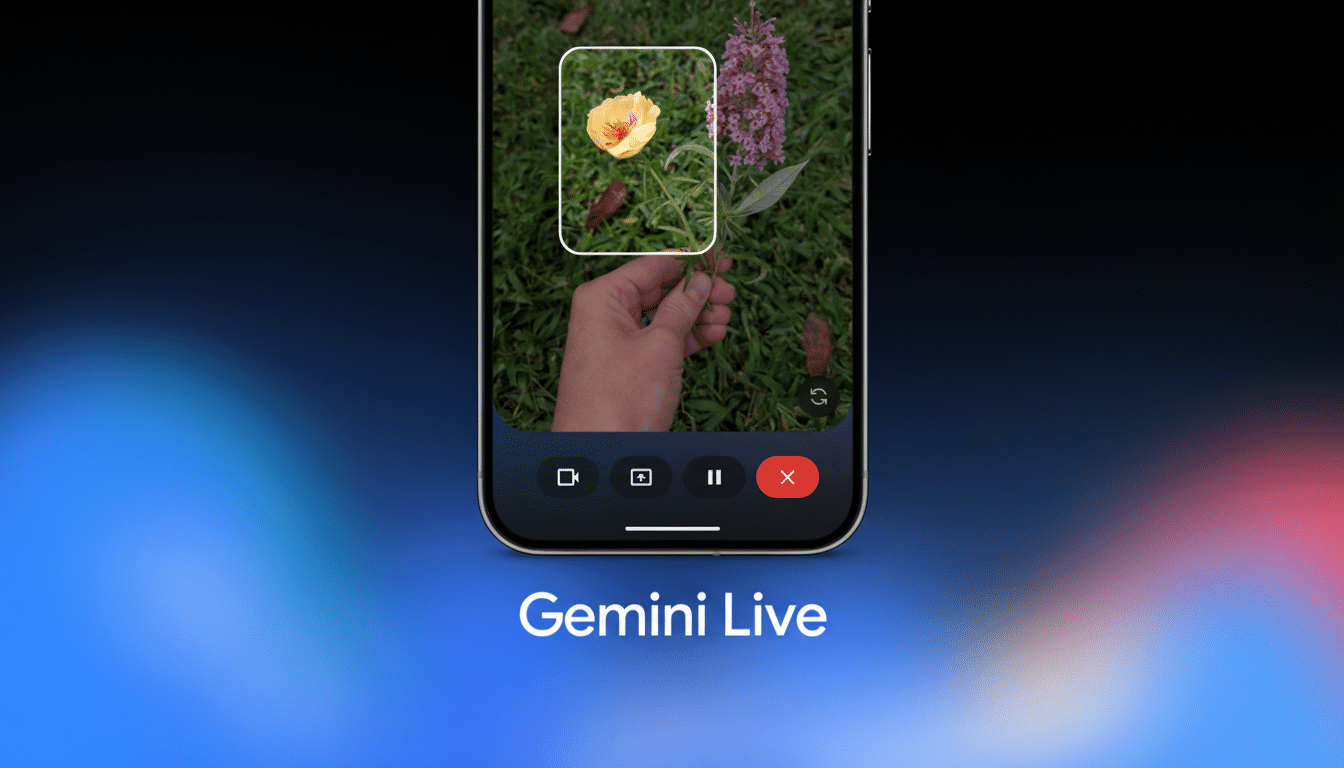
That shift breaks muscle memory. If your hands are busy, you suddenly juggle screen wake timers, mic taps, and repeated prompts just to get the same flow you had before. For routines like morning news briefings, this is the difference between a glanceable, hands-free companion and a fussy assistant that demands constant attention.
Gemini Live Is Not a Like-for-Like Replacement
On paper, Gemini Live should fill the gap. It supports free-form back-and-forth, real-time interruptions, and a more natural speaking cadence. In practice, many early users report uneven results. When asked for news, Gemini Live often skims headlines with sparse detail, forcing several follow-ups to reach the context a standard Gemini query delivers in one go.
There’s also a subtle quality mismatch. Regular Gemini text and standard voice responses frequently provide richer summaries and better source framing than Live’s rapid-fire delivery. That split leaves some users bouncing between modes — one for depth, the other for interaction — a workflow that defeats the purpose of a unified assistant.
A Paywall Around Everyday Convenience for Many
Compounding frustration, Gemini Live access is tied to premium offerings on many devices. On phones, Live is marketed as part of higher-tier AI subscriptions. On smart speakers, the company’s new premium pathway for Home features positions Live as a paid upgrade, effectively monetizing the follow-up convenience that Continued Conversation once provided for free.
From a business standpoint, there’s logic here. Streaming multimodal models, barge-in detection, and low-latency transcription carry real compute costs. But from a user’s perspective, Google removed a mature, habit-forming feature and offered an inconsistent replacement behind a paywall. That feels less like progress and more like a toll booth placed on a well-traveled road.
Backlash and Workarounds from Frustrated Users
Complaints have piled up across community forums and the company’s help channels for months, with threads tracing the sudden disappearance of Continued Conversation and the friction of tapping the mic for every follow-up. Some users stretch their screen wake time to keep voice sessions alive; others retreat to standard Gemini prompts for accuracy, then restart Live when they need hands-free mode — an unsatisfying compromise.
Industry watchers note that this is not an isolated trend. Amazon has previewed a subscription tier for a more capable Alexa, and several AI assistants have moved advanced voice features into paid plans. Still, rivals have shown restraint at the margins; for example, some competitors provide a no-cost voice mode with limited turn-taking, reserving premium for higher-quality models and longer sessions.
What Google Should Do Next to Rebuild Trust
Two fixes would defuse most of the tension. First, restore basic follow-up listening to standard Gemini voice interactions — even a short post-response window would honor user habits without undermining the value of Live. Second, commit to parity: Gemini Live should match the depth and consistency of regular Gemini responses, not trade substance for speed.
Longer term, Google could offer a clearly defined free tier of Live on speakers with reasonable caps, while reserving advanced quality and expansive sessions for paying customers. Transparency would help, too: a public roadmap detailing which Assistant-era staples return to Gemini and when would reduce churn and rebuild trust.
The company has poured immense resources into making AI more conversational. But conversation is not just model capability — it is turn-taking, context memory, and the simple grace of not having to repeat yourself. Until Gemini recaptures that everyday ease without strings attached, many will conclude that a smart upgrade made their daily routine a little dumber.
