


Google may have finally found a practical path to solving the one Pixel complaint that always bubbles up after a year of use: dwindling battery life you can’t easily fix. A recently surfaced patent, spotted by Hypertxt.ai, describes a glue-free, mechanically secured battery module designed to be removed by ordinary users—without solvents, heat guns, or a trip to a repair shop.
Why User-Replaceable Batteries Matter For Pixels
Pixels age gracefully on software, thanks to extended update promises, but the batteries tell a different story. Many owners report a noticeable dip in stamina after roughly a year of daily charging. Real-world battery health readouts on recent models frequently hover in the low 90s after ~12 months of regular use, mirroring what we know about lithium-ion chemistry: as Battery University notes, many cells decline to about 80–90% of original capacity after 300–500 full cycles.
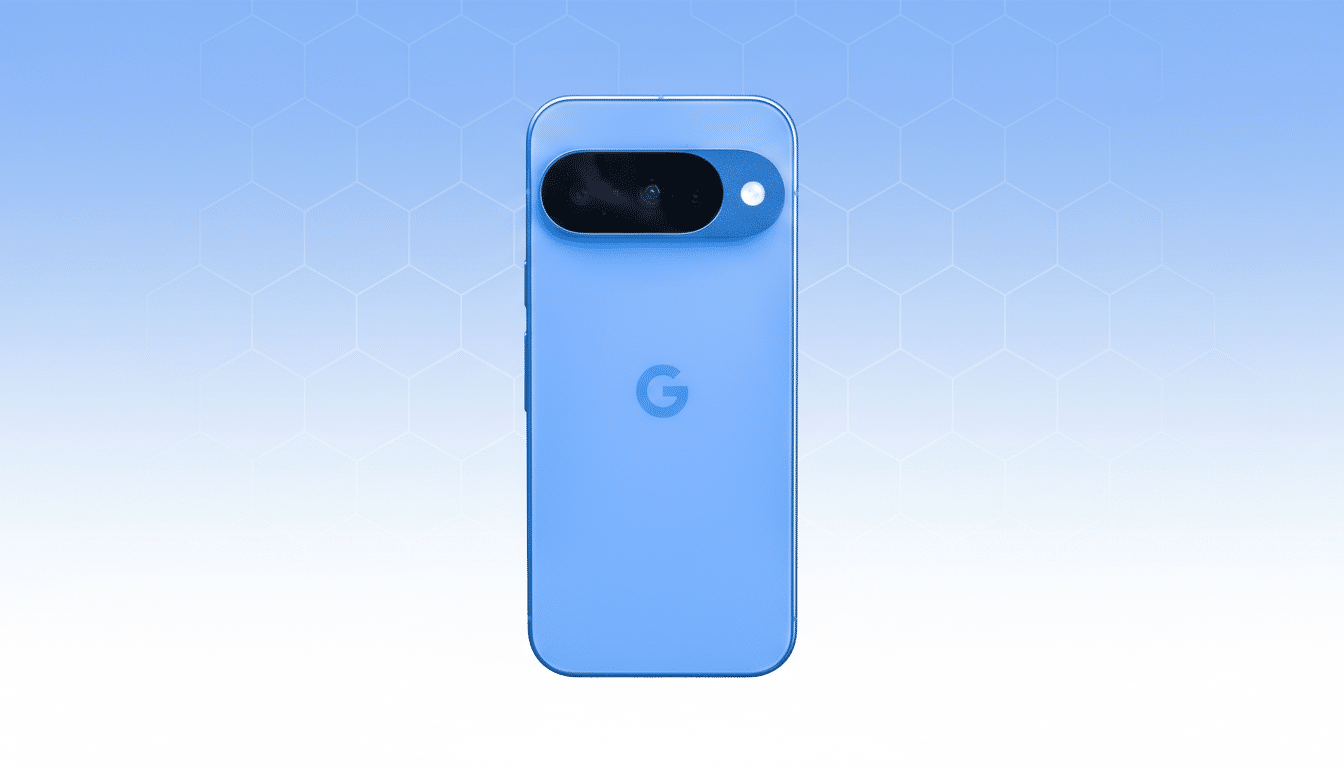
That drop is survivable on phones that start with generous endurance. On Pixels, which historically land in the “good, not great” category for battery life, it can turn into a mid-afternoon scramble for a charger—especially on travel days with lots of camera, maps, and cellular use. The hardware may be fine for years, the software will keep coming, but without a simple way to swap the battery, owners feel locked into replacement or repair bills.
Inside Google’s New Battery Design For Easy Swaps
The patent outlines a pouch cell mounted in a rigid metal chassis that acts like a protective exoskeleton. Rather than being glued to the frame, the battery module slots into the phone and is held by mechanical shear stops and latches. The rigid housing prevents flexing and punctures during installation or removal—two key risks when prying out today’s glued-in packs.
In theory, a user would open the device, unlatch the module, and lift it out with common tools. No heat to soften adhesive, no chemical solvents to break bonds, and a greatly reduced chance of damaging adjacent parts. The document also contemplates maintaining coil alignment for wireless charging and minimizing rattle and impact shock, addressing durability concerns that often doom “removable” concepts.
EU Rules Put Real Pressure On Smartphone Design
This isn’t just a thought experiment. The European Union’s new battery regulation requires that portable batteries in products like smartphones be removable and replaceable by consumers using readily available tools, and it explicitly restricts adhesives that need heat or solvents. The European Commission’s framework begins to bite for smartphones in the coming years, pushing manufacturers to rethink sealed battery designs.
We’ve seen early stabs at this from repairability-focused brands. Fairphone normalizes modular batteries; HMD’s recent devices ship with parts and guides from iFixit to simplify repairs. But delivering easy swaps while preserving flagship-level waterproofing, wireless charging, and slim dimensions is the real challenge. Google’s approach looks engineered to satisfy regulators without sacrificing premium build targets—if it ships as described.
What This Could Mean For Pixel 12 And Beyond
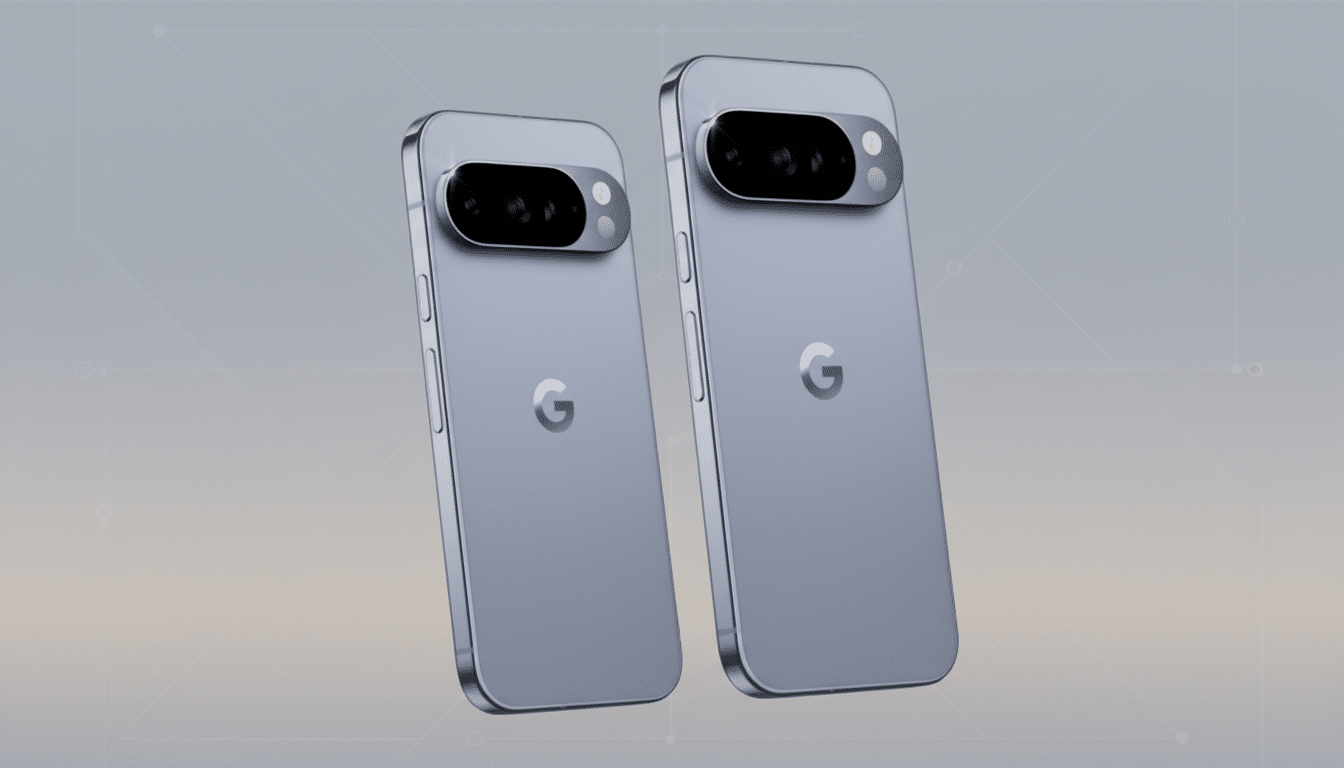
If Google brings this module to a future Pixel—likely the model aligned with the EU compliance window—it could transform the ownership experience. A battery refresh every 24–36 months is far cheaper and greener than a full device upgrade. The United Nations’ Global E-waste Monitor reports tens of millions of tonnes of e-waste annually; extending phone lifespans is among the most effective levers to slow that growth.
It would also sync with lengthier support policies. Seven years of updates only truly matter if the phone remains practical to use in year five. With an accessible battery, owners can restore day-one stamina in minutes, and resale values typically improve when a fresh, certified pack can be installed by the buyer. Counterpoint Research has noted that replacement cycles in mature markets have stretched beyond 40 months; easy battery swaps could push that even further.
Open Questions And Practical Trade-Offs For Pixels
Water resistance remains the biggest unknown. The patent focuses on the internal battery module, not the external seals. A removable back panel that still achieves strong ingress protection would be an engineering feat. Apple, Samsung, and others rely on adhesives to hit high IP ratings; Google will need alternative sealing strategies and possibly replaceable gaskets to match those standards.
Thermal management and safety certifications matter, too. A rigid battery frame changes heat paths during charging and heavy workloads. Expect tighter battery authentication, calibration routines, and built-in diagnostics to ensure only approved modules are used and the system can accurately report health after a swap—areas where Google’s software expertise could shine.
Still, the direction is promising. If this patent becomes a shipping design, Google will have addressed the Pixel’s most persistent long-term gripe not by squeezing a few extra hours out of a single cell, but by making endurance renewable. That’s the kind of fix that meaningfully extends a phone’s life—and finally lets Pixel owners stop budgeting for a battery by year two.
