


Google’s Android XR glasses may well be the safer bet over Meta’s Ray-Bans, not because they shout louder but because they tell you the right information at the right time. Initial hands-on impressions suggest a simpler interface, smarter developer model and more robust ecosystem integration that, cumulatively, make Google’s approach feel less like a gadget and more like an organic extension of your handset.
The takeaway is simple: If smart glasses are going to make it in the mainstream, they’d better be useful without being obnoxious. It is a front which Android XR now has over the rest.
- Why the User Experience Matters on Your Face
- The Advantages of an Open Android Ecosystem
- Hardware and Partnerships Built for Real-Life Use
- Privacy Safeguards and the Path to Social Acceptance
- Developers Get a Low-Friction On-Ramp to Android XR
- How It Stacks Up When Compared to Meta Ray-Bans
- Bottom Line: Why Android XR Feels Like the Safer Bet
Why the User Experience Matters on Your Face
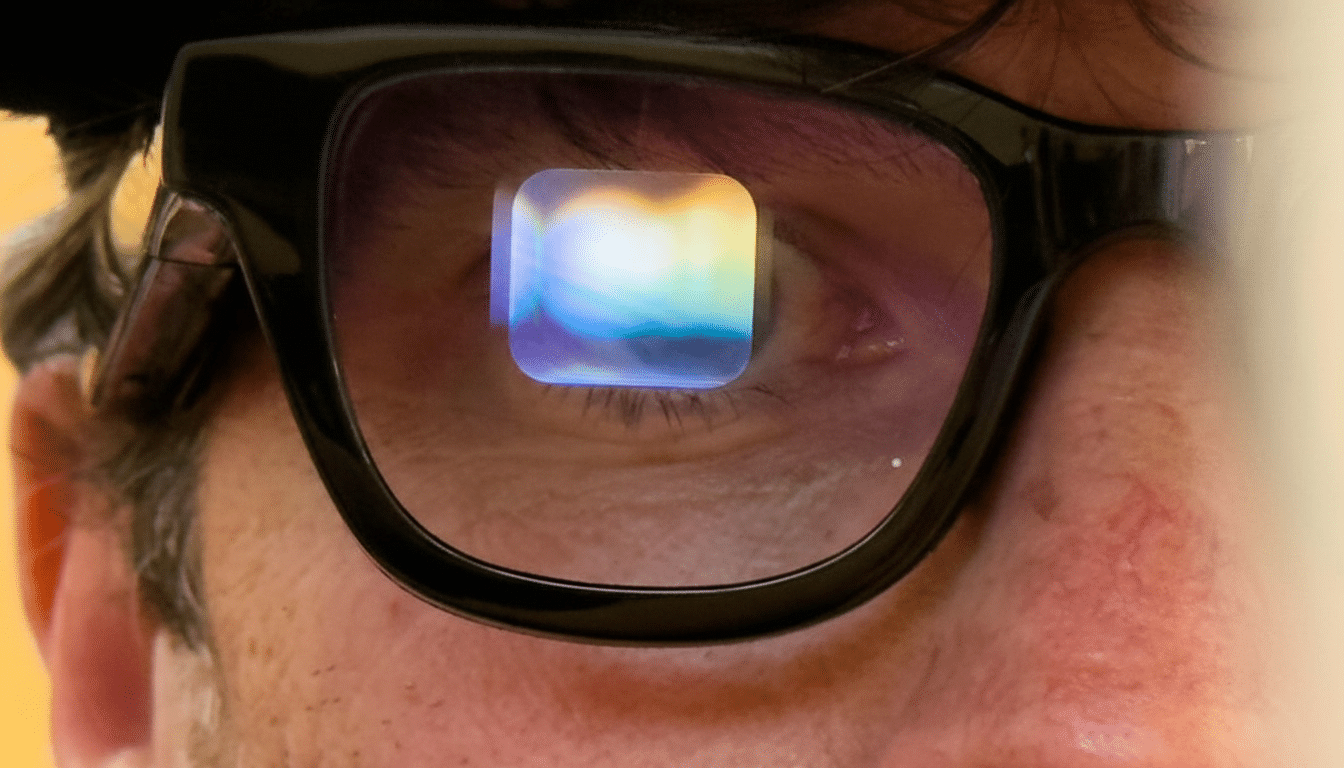
Meta’s new glasses rely on a monocular display and wrist-worn controller, showing you a phone-like interface that comes loaded with colorful elements and frequent swipes. It’s eye-catching—but also attention-hogging. Google’s Android XR uses the opposite formula. The UI only surfaces the essentials—imagine the tiniest line of text for a message, directions or player controls—and then gets out of the way. There’s no enormous app grid hanging in your vision, no always-there urge to fiddle. It’s designed for social appropriateness and attention.
This matters in real life. Walking on a busy sidewalk or talking to a friend with the equivalent of a bright iPhone screen hovering in your field of view is likely to be distracting. Android XR prioritizes these glanceable, ambient moments—notifications, navigation nudges, multitasking and quick actions—so you won’t be looking at the widget instead of focusing on the world around you.
The Advantages of an Open Android Ecosystem
Nearly all third-party apps can’t run on Meta’s glasses as they exist today. Google’s approach is fundamentally different: your phone stays the brain, and apps “show up” on your glasses using Android’s notification framework. If an app already displays persistent media controls or trip status on your phone, it can be surfaced on your lenses with little extra effort on the part of developers.
And by day one, we mean there’s no waiting for a separate glasses app store to build up over time. Play music from your preferred apps, see your ride’s ETA, check on package deliveries and more—all without lifting a finger. It’s all possible with the apps you use every day. With Android accounting for about 70 percent of the global smartphone market, according to StatCounter, Google’s strategy gives the company access to a huge installed base instantly.
Hardware and Partnerships Built for Real-Life Use
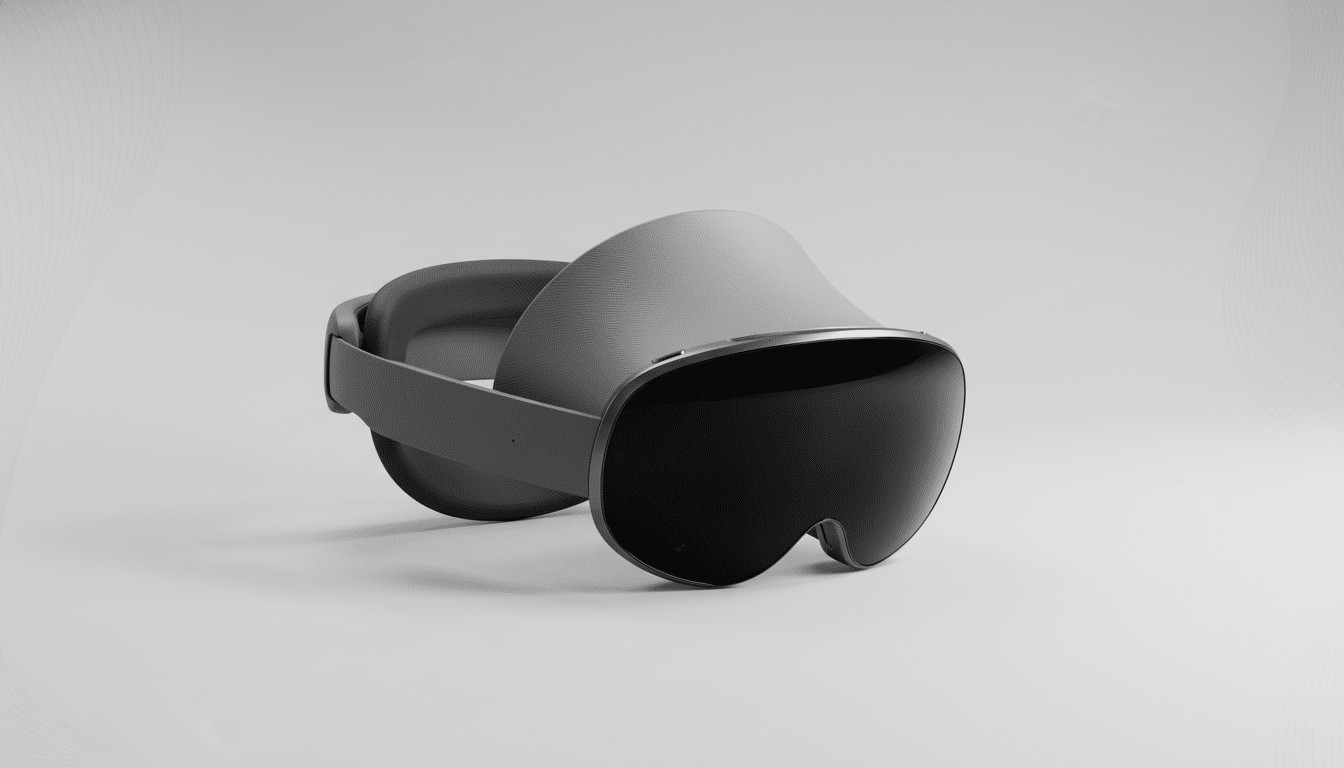
Google bites off several form factors: audio-only glasses for all-day wear, a monocular display rendition for glanceable visuals and a binocular option down the line for depth effects. The first two are supposed to land earlier, with the binocular version arriving later. Key to the service is a slate of partnerships with big mainstream eyewear names like Warby Parker and Gentle Monster, in addition to Samsung, indicating that we might see a push for designs people actually want to wear—and can comfortably fit around prescription lenses.
The prototypes look familiar—Wayfarer-style frames with dual cameras and open-ear speakers—but the difference isn’t in the silhouette. It’s how the feeling settles back into your routine. Slip them on, look at only the part of the ethereal that you have to, press on.
Privacy Safeguards and the Path to Social Acceptance
Public comfort is the elephant in the room. We’ve already seen venues (and even cruise lines) push to prevent smart glasses from being used due to fears of covert recording. Google seems to have learned from Google Glass: old-school recording LEDs, hardware kill switches that make it obvious when cameras are turned off and safeguards that halt capture if the indicator is obstructed. None of that will end the argument, but it’s the baseline necessary to gain trust in public spaces.
Subtle UX helps here, too. An unobtrusive, minimal display is a lot easier to accept socially than a bright interface that makes it feel like you have a little TV screen in your eye. The quieter these glasses are, the more likely they’ll be embraced.
Developers Get a Low-Friction On-Ramp to Android XR
Android XR is not just another platform that forces people to rebuild their apps. Instead, it brings Android surfaces people are used to—notifications, media controls and actions—to a heads-up view. Preliminary guidance indicates that only “light API work” will be required for making experiences behave nicely on glasses, a much lower threshold to participation than developing and maintaining an entirely separate glasses app.
This approach scales faster. Instead of curation bottlenecks and walled-garden priorities, Android for XR might benefit from the vast number of existing Android apps that can come to its AR/VR toolkit, and let the market quickly sort through which experiences actually make sense on your face.
How It Stacks Up When Compared to Meta Ray-Bans
Meta’s glasses are ideal for convenient capturing and social features, but they’re very tied into Meta’s ecosystem—and a more “app-forward” UI. Google has different strengths: full Android integration, a limited interface that tries not to waste your attention, and hardware partnerships aimed at workaday wear. For navigating, quick replies, music controls and at-a-glance real-time updates, Android XR’s notification-first system simply makes more sense.
Factor in Android’s big reach and a developer path that doesn’t require reinventing the wheel, and Google’s play seems like the more scalable way to mainstream smart glasses.
Bottom Line: Why Android XR Feels Like the Safer Bet
Smart glasses will not succeed by acting as miniature phones. They’ll win by being practically invisible until you need them—fast. That’s exactly where Google’s Android XR glasses succeed—and why, at least for most people, they’re already a surer bet than the Meta Ray-Bans.
