


Terradot, a carbon removal startup backed by Google and Microsoft, has acquired U.S. rival Eion in a move that underscores rapid consolidation across enhanced rock weathering. The companies said the deal will help them handle larger, multi‑year contracts sought by institutional buyers, including sovereign wealth funds, that increasingly want a single, scaled counterparty. Terms were not disclosed.
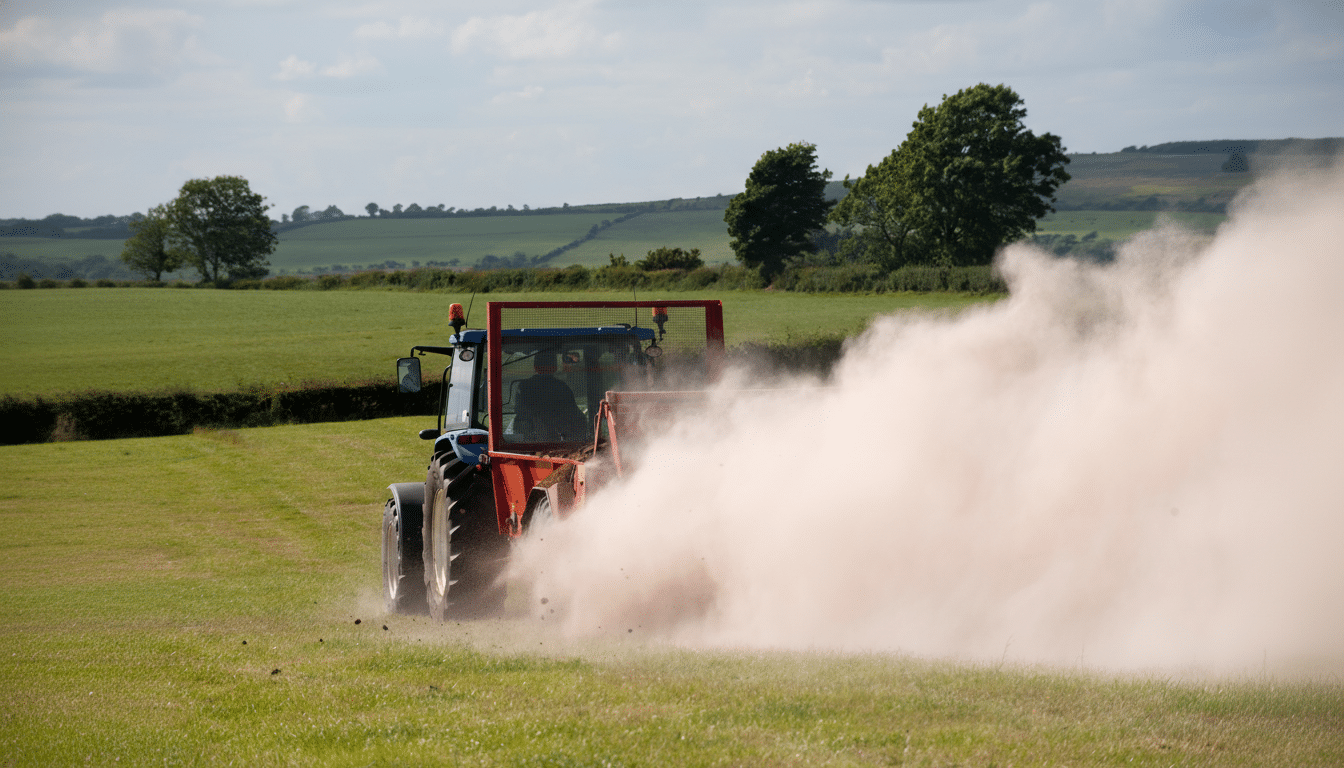
Both firms focus on enhanced rock weathering, spreading pulverized minerals on agricultural land to accelerate a natural chemical process that draws carbon dioxide from the air and locks it into bicarbonates and carbonates. Terradot operates primarily in Brazil using basalt, while Eion has focused on U.S. deployments using olivine. Eion’s leadership has signaled that investor demand for scale was central to the decision to sell, reflecting buyers’ preference for vendors capable of delivering at regional or national scope.
Why The Deal Matters For Carbon Removal Markets
Corporate net‑zero programs and public climate ambitions are moving from pilots to procurement. Large buyers want hundreds of thousands of tons under contract with credible measurement, reporting, and verification, not dozens of boutique projects. Consolidation makes those volumes more feasible by pooling supply chains, agronomic partnerships, and field logistics across geographies.
Terradot’s backers include Gigascale Capital, Google, Kleiner Perkins, and Microsoft, a roster that mirrors the technology sector’s outsized role in early carbon removal markets. Eion’s investors include AgFunder, Mercator Partners, and Overture. Tech companies have been among the most aggressive buyers of durable removal, with Microsoft emerging as a leading corporate counterparty and Alphabet participating in the Frontier advance market commitment alongside Stripe, Shopify, Meta, and McKinsey. That purchasing posture sets the tone for other enterprises and public funds now entering the space.
A Bet On Enhanced Rock Weathering At Scale
Enhanced rock weathering is appealing because it harnesses abundant minerals and existing farm equipment, potentially driving costs down over time. Basalt is widely available in Brazil, where Terradot has built relationships with quarries and growers. Olivine, Eion’s feedstock, can weather relatively quickly under the right conditions, though supply chain design and careful management of trace metals remain important considerations highlighted in academic literature.
The operational challenge is less about any single field and more about orchestration at scale. Contractors must source, grind, and transport millions of tons of rock, schedule application across growing seasons, and monitor outcomes over years. By combining footprints, Terradot gains access to Eion’s U.S. grower network and olivine expertise while extending its basalt‑centric model, positioning the combined entity to serve buyers across the Americas.
The Economics And MRV Challenge For Enhanced Weathering
Price discovery remains volatile. Analyses by CDR.fyi show a wide spread between what suppliers ask and what buyers are willing to pay, especially for durable pathways. ERW must prove reliable, cost‑effective delivery and bankable MRV to close that gap. Third‑party standards such as Puro.earth have introduced methodologies for enhanced weathering, and research groups like CarbonPlan have urged rigorous, transparent accounting frameworks that combine field sampling with geochemical modeling.
Scale can help. Centralizing lab work, data pipelines, and verification reduces per‑ton overhead. With a larger, diversified pipeline, Terradot can offer multi‑year offtakes and tighter delivery schedules, potentially improving credit quality for buyers and financiers. That, in turn, could unlock blended capital from climate funds and development banks that often require standardized MRV and counterparty resilience.
Implications For Farmers And Regions Across The Americas
For growers, the combined company promises more consistent service, from rock sourcing to application and soil monitoring. Agronomic co‑benefits cited in peer‑reviewed studies—such as improved soil pH and potential nutrient retention—remain a key selling point, though yields and long‑term impacts depend on local geology, climate, and farm practices. Larger operators can also offer clearer payment structures and agronomic support, reducing friction for first‑time participants.
Regionally, Terradot’s Brazil hub is likely to keep expanding around basalt quarries and grain belts, while Eion’s U.S. network provides a platform for growth in key agricultural states. Coordinating permitting, environmental safeguards, and community engagement at that scale will be part of the execution test, especially as scrutiny rises on the full life‑cycle emissions of mining, grinding, and transport.
What To Watch Next As Terradot Integrates Eion
Key signals will include third‑party verification results from the first combined projects, the size and tenor of new offtake agreements, and evidence that logistics costs are falling as operations scale. The acquisition also sets up a more direct competition with other nature‑ and mineral‑based pathways, including biochar and direct air capture paired with mineralization, as buyers diversify portfolios to balance durability, cost, and scalability as recommended by the IPCC.
If Terradot can convert investor backing and a broader footprint into reliable, audited tons at attractive prices, the deal could mark a turning point for enhanced rock weathering—from promising pilot to dependable pillar of the carbon removal market.
