


Google and Apple have pushed emergency security updates after detecting active exploitation of previously unknown software flaws, a strong signal that a sophisticated campaign is targeting users across platforms. The companies say at least one Chrome flaw and multiple Apple platform issues were abused in the wild before fixes were available. Working under unusually tight disclosure, Apple’s security engineering team and Google’s Threat Analysis Group determined that a single bug was being exploited by the same actor, leading to coordinated detection and response. Apple describes the activity as highly targeted and technically sophisticated, the kind of operation commonly seen among state-sponsored groups and mercenary spyware vendors.
Emergency patches land across devices and platforms worldwide
Google has updated Chrome to repair security shortcomings and other vulnerabilities. The company is not sharing technical specifics yet and is urging users to update promptly, a tactic intended to avoid copycat exploitation and ensure more people move to the latest stable release.
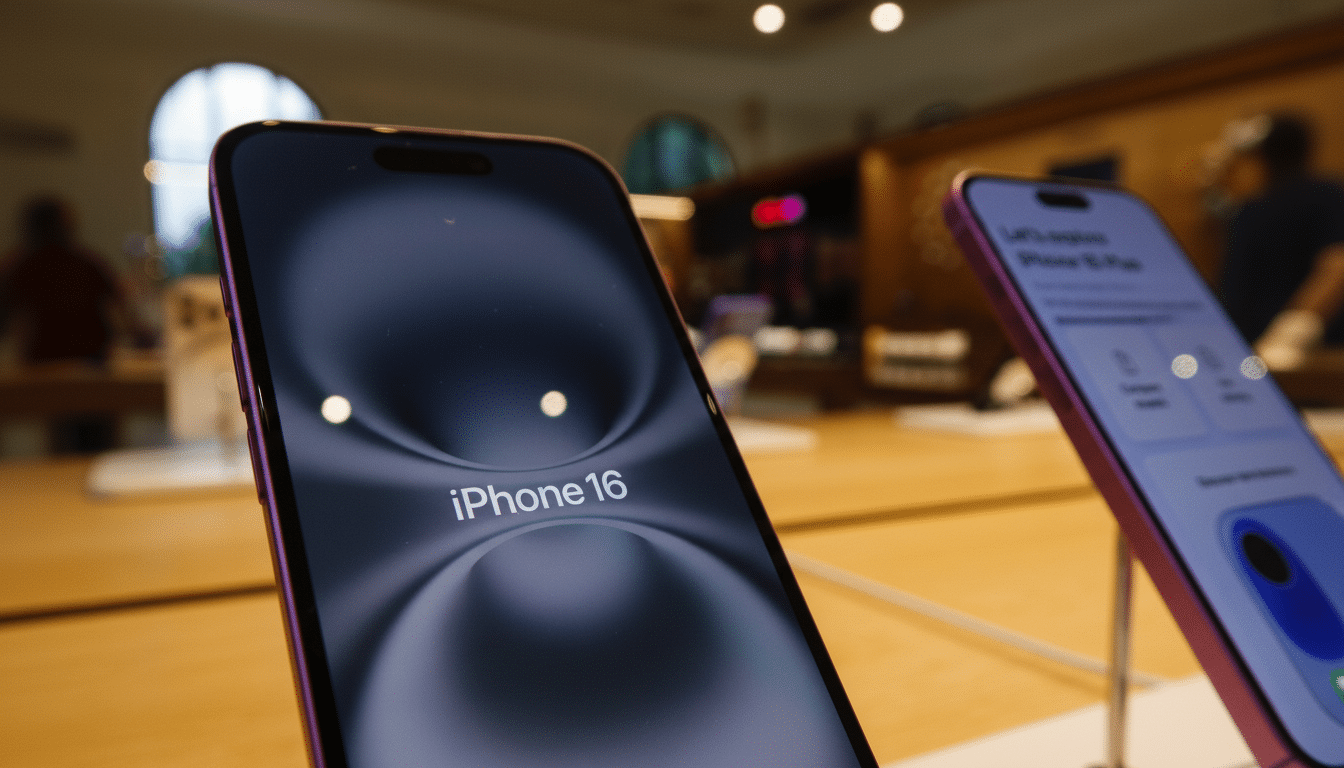
Apple, for its part, simultaneously shipped updates across iPhone, iPad, Mac, Apple Watch, Apple TV, Vision Pro, and Safari. Apple’s advisory notes that a small number of users were targeted on specific versions and that proof-of-concept code or deeper technical details may be withheld until more users have updated. Multiple bulletins imply that several components in the stack were affected.
Traditionally, real-world mobile attacks pair a browser or message parsing bug for initial code execution with another bug to escape the app sandbox and gain system privileges. Web rendering engines, JIT compilers, and image or font parsers are attractive targets due to their complexity and exposure to untrusted content.
Signs point to targeted, government-backed zero-day abuse
TAG mostly tracks state-sponsored hacking and commercial surveillance operations, and its involvement here suggests a targeted operation rather than crimeware deployed opportunistically. Previous analyses by groups including Citizen Lab and Amnesty International have tied similar zero-day operations to spyware sold by companies such as NSO Group, Intellexa, Candiru, and Paragon.
Project Zero’s public issue tracker lists dozens of in-the-wild zero-days each year, with browsers and mobile platforms consistently at or near the top of the list.
The vulnerability market is lucrative, and well-resourced attackers invest in stealthy delivery vectors such as drive-by downloads, watering-hole sites, and zero-click message attacks.

Why zero-day exploits still work despite modern defenses
Even with modern defenses—such as sandboxing, code signing, and memory protections—complex software presents huge attack surfaces. Browsers handle untrusted content at breakneck speed, while mobile operating systems bundle myriad parsers for images and documents into their infrastructure. A single overlooked logic error or memory bug can be enough for a complete device compromise if chained cleverly.
Full disclosure is usually queued until patches are distributed to diminish attackers’ advantage. That also means defenders may not know right away which detection rules to use. When attack activity spikes—and, given who is being targeted, it will—rapid patch deployment is the best approach to mitigating zero-days for high-risk users like journalists, activists, diplomats, and executives.
What users and security teams should do immediately
For individuals:
- Update right away: On iPhone and iPad, go to Settings > General > Software Update. On a Mac, open System Settings > General > Software Update. In Chrome, go to Menu > Help > About Google Chrome and relaunch if prompted.
- Enable automatic updates everywhere.
- High-risk users can consider Apple’s Lockdown Mode and Chrome’s Enhanced Safe Browsing on desktop.
- Avoid sideloading and third-party app stores, and ignore “update” prompts on the web—apply fixes only through built-in system updaters.
For organizations:
- Push new versions via MDM and require minimum OS and browser levels.
- Audit Chrome versions on endpoints.
- Monitor for anomalous renderer crashes, unexpected persistence entries, and unusual network egress.
- Track issues in the CISA Known Exploited Vulnerabilities catalog once IDs are released.
The bigger security picture and cross-vendor response
This episode points to a broader trend: well-financed actors are probing across the entire ecosystem in search of one-click or zero-click vectors into data and communications. Inter-vendor collaboration, such as the shared discovery described here, is increasingly essential to rapidly close these gaps.
Zero-days aren’t going away, but they can be mitigated. Quick updates, hardened defaults, and layered defenses increase the cost to attackers. The best response for now is also the easiest: update every device and browser in use, right now, and keep all of them that way.
