


Google is winding down Gmailify, the bridge that let people bring Yahoo, Outlook, Hotmail, and other non‑Google addresses into Gmail while still enjoying hallmark features like robust spam protection, inbox categories, and fast search. The quiet retirement marks the end of a 2016 experiment aimed at delivering “the best of Gmail” without forcing users to abandon long‑held email identities.
What Gmailify Actually Did for Connected Email Accounts
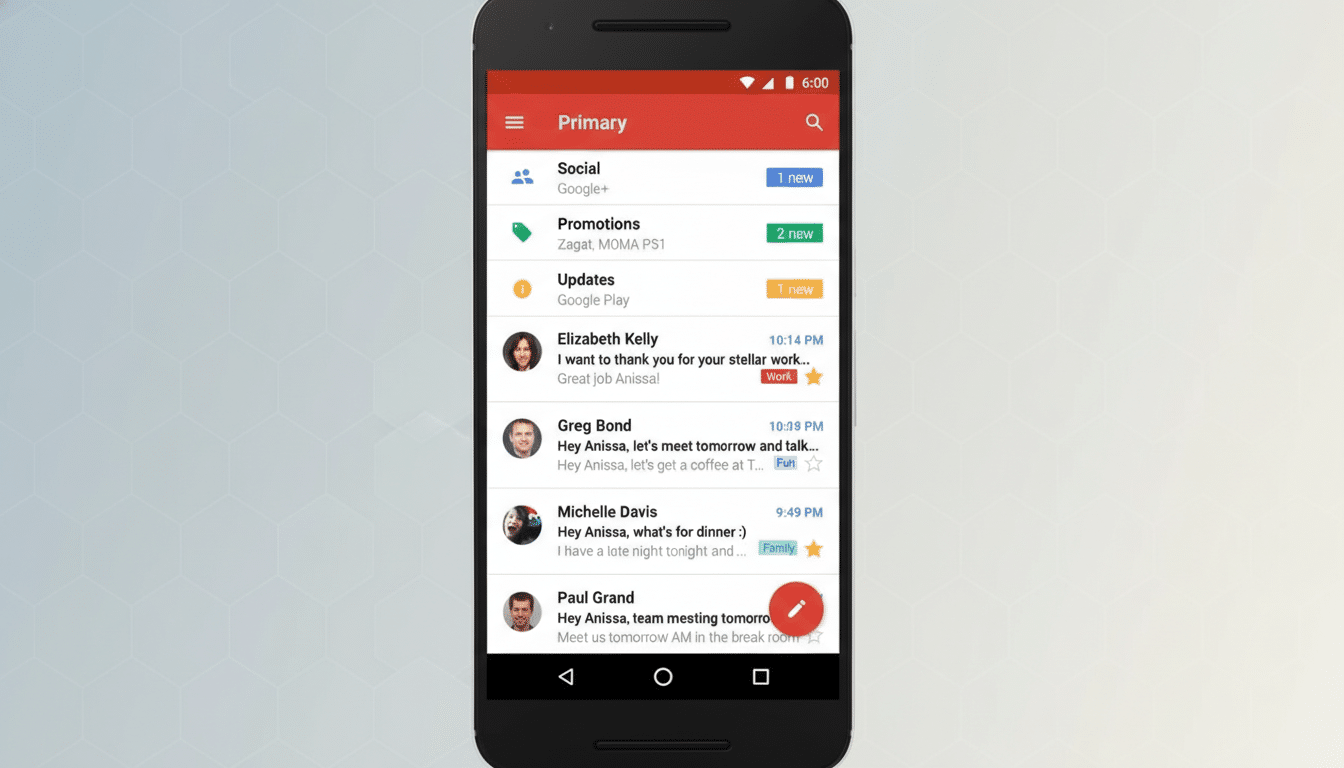
Gmailify connected a third‑party inbox to Gmail through a secure link so messages flowed into Google’s interface and systems. That brought over conveniences many users now consider table stakes: category tabs (Primary, Social, Promotions, Updates, Forums), high‑signal notifications on mobile, and Gmail’s machine‑learning filters that Google says block 99.9% of spam, phishing, and malware. It also enabled Gmail’s speedy search and features like travel and package parsing for supported senders.
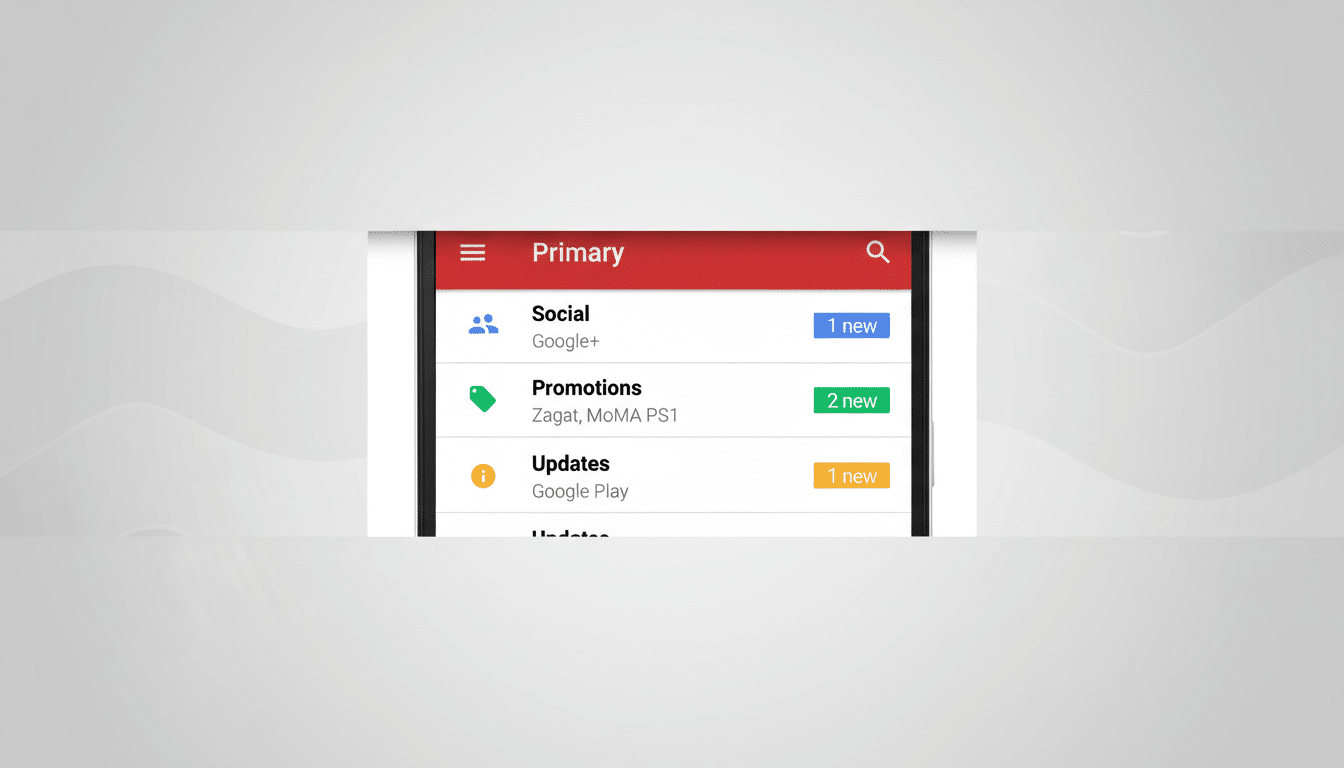
Importantly, Gmailify never required changing email addresses. It was a compatibility layer—use your @yahoo.com or @outlook.com identity, but let Gmail do the heavy lifting on organization and filtering.
The Shutdown and What Changes Now for Gmailify Users
The end of Gmailify was first spotted by 9to5Google. Google has not given a firm cutoff date, but says mail that already synced through Gmailify will remain visible in Gmail. What’s unclear is when new messages from linked third‑party accounts will stop flowing in, creating a planning gap for people who rely on Gmail’s interface to process non‑Google mail.
Google notes that third‑party accounts can still be added to the Gmail app via IMAP, and that web users can set up automatic forwarding from their external provider. The catch: IMAP connections and simple forwarding won’t replicate Gmailify’s full feature set. Expect differences in spam handling, category tabs, and some of the “smart” parsing that made Gmailify appealing in the first place.
Why Retire A Tool That Helped Lock In Users
Google hasn’t said why it’s pulling the plug, but there are plausible factors. First, demand may have been modest. Gmail itself counts well over 1.8 billion users, according to industry estimates, and many have already consolidated their digital lives around a Gmail address. Second, maintaining tight integrations with rival providers is thorny—authentication flows change, policies evolve, and privacy expectations are higher than ever. Finally, Google’s product focus has shifted toward native Gmail enhancements, including AI‑powered features, that are easier to deliver and support within the Gmail ecosystem.
The move also fits a pattern. Google has trimmed adjacent products that added complexity without mass adoption (think Inbox by Gmail’s closure) while concentrating on the core Gmail experience that most users touch daily.
What Users Can Do Next to Prepare for the Change
If you relied on Gmailify, consider these practical options to minimize disruption:
- Turn on automatic forwarding from your third‑party provider to your Gmail address. This preserves a single inbox view. Combine it with Gmail filters and labels to recreate pseudo‑categories for newsletters, social updates, and receipts.
- Connect your non‑Google account to the Gmail app via IMAP. You’ll get a unified place to read mail, though spam filtering and category tabs will largely follow the original provider, not Gmail’s classifiers.
- Stick with your provider’s native app or a modern third‑party client that supports unified inboxes, server‑side spam controls, and robust search. Many clients now offer smart notifications and per‑sender filtering that can approximate what you had.
For senders who have your non‑Google address on file, there’s no need to broadcast a new address if you use forwarding. If you do decide to move fully to Gmail, updating critical accounts (banks, government services, two‑factor authentication) first reduces the risk of missed alerts.
The Bigger Picture for Gmail Users After Gmailify Ends
Gmailify’s exit comes as Google continues refining Gmail’s core—most recently allowing people to change their Gmail address without starting from scratch, a rare concession to the permanence of email identities. It underscores where Google is investing: features that deepen engagement for primary Gmail users rather than sustaining bridges to competing inboxes.
Bottom line: If Gmailify was your workaround to keep a legacy address with Gmail’s protections and polish, plan an orderly transition now. Forwarding and IMAP keep your messages flowing, but the signature Gmail magic won’t extend to non‑Google mail the way it once did.
