


General Motors is preparing to wind down production of the newly rebooted Chevrolet Bolt EV next year while shifting assembly of a China-built Buick crossover to its Fairfax Assembly plant in Kansas. The move realigns GM’s manufacturing footprint toward the United States, reflecting changing trade dynamics, evolving EV incentives, and the company’s push to balance affordability with profitability.
What GM Is Changing at Fairfax and Across Its Lineup
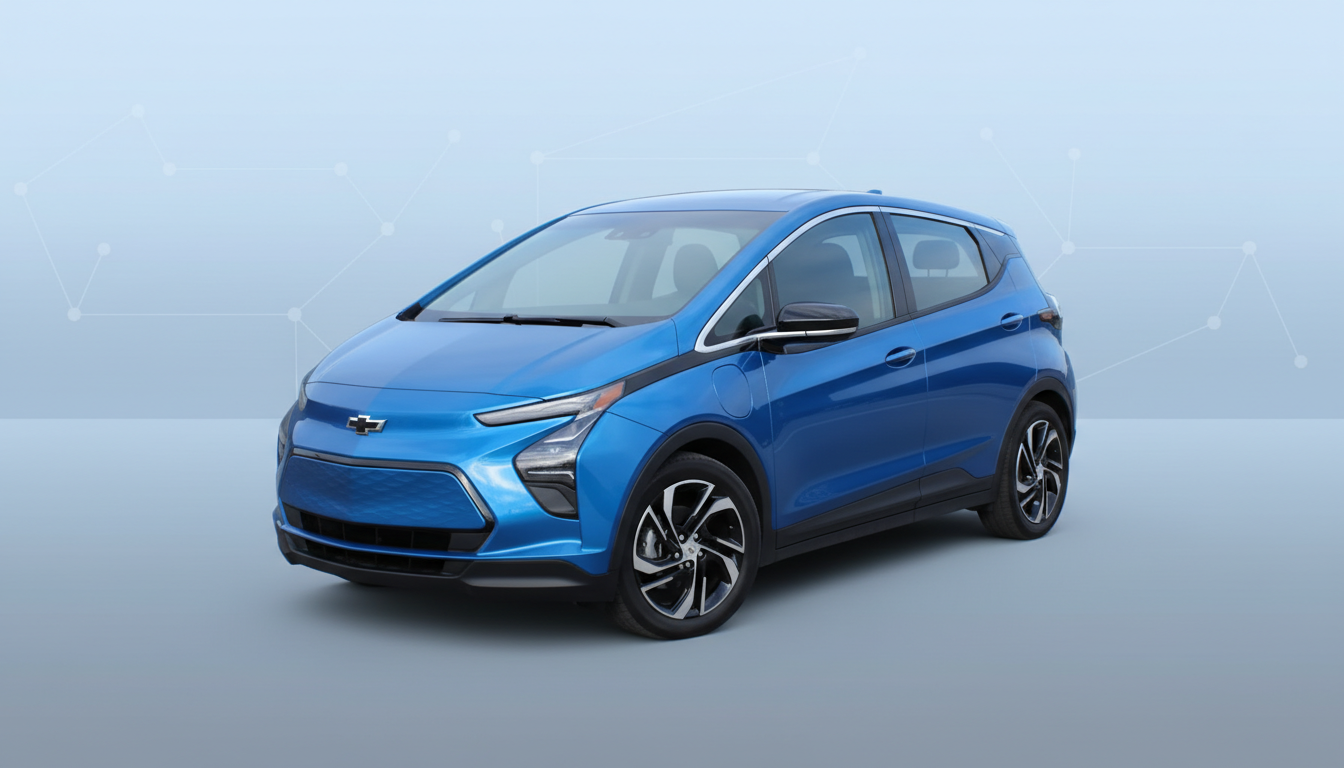
GM plans to cease production of the 2027-model Bolt EV in roughly 18 months. The Bolt is currently the only vehicle built at Fairfax, a facility long known for mid-size sedans and compact crossovers. To backfill capacity, GM will bring a Buick model currently produced in China to Kansas—reducing tariff exposure and shortening supply lines in the process.
- What GM Is Changing at Fairfax and Across Its Lineup
- Why the Bolt Ends Again and What It Means for Buyers
- Tariffs, Incentives, and the Manufacturing Math
- Implications for Kansas and Labor at Fairfax Plant
- Market Context for an Affordable EV in the U.S.
- The Buick Play: Shifting China-Built Crossover to Kansas
- What to Watch Next for Fairfax, Buick, and Affordable EVs
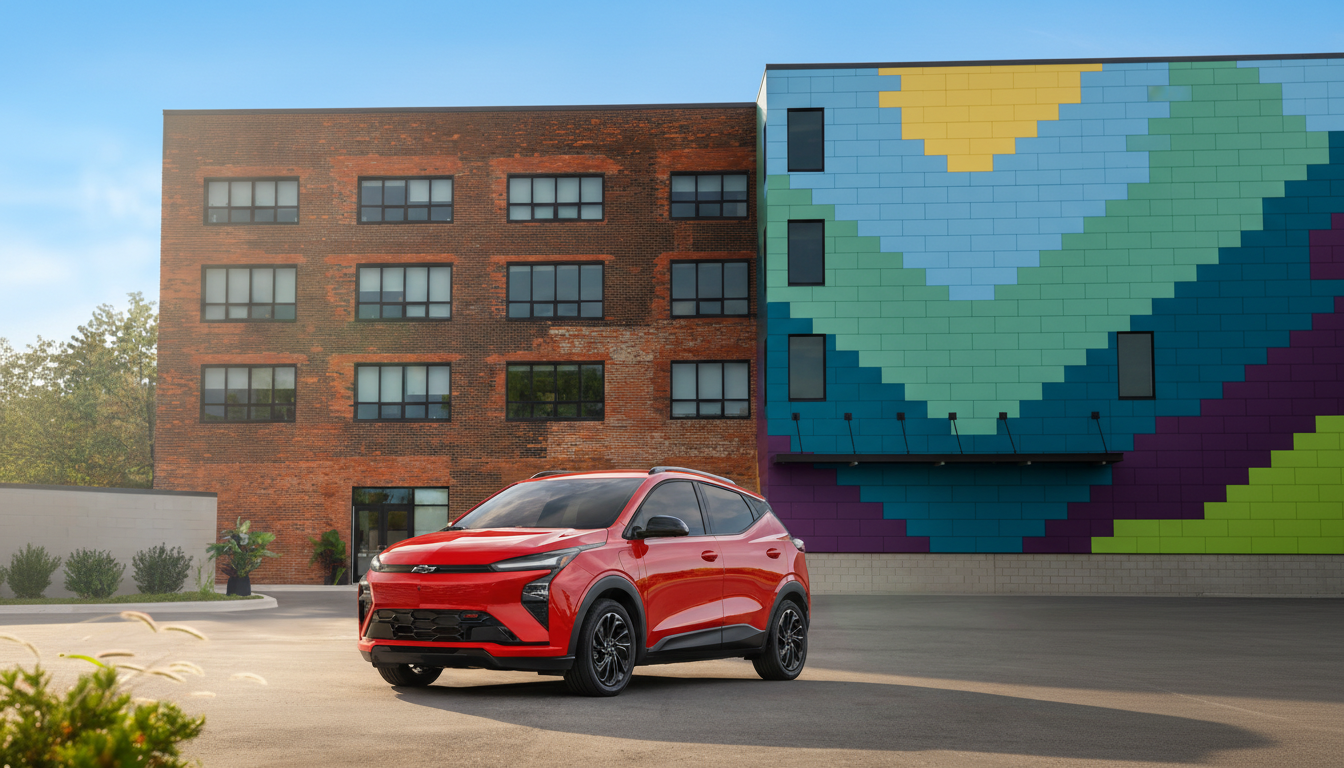
The Bolt’s current sticker price of $29,990, including destination, undercuts most new EVs in the market, where the average transaction price remains above $50,000, according to Kelley Blue Book. Even so, GM is consolidating platforms and prioritizing scale on crossovers and trucks that ride on its Ultium architecture, including the Chevrolet Equinox EV and Blazer EV.
Why the Bolt Ends Again and What It Means for Buyers
The Bolt has been an affordability anchor and a gateway EV for first-time buyers. It also earned loyalty among urban commuters and fleet users because of its efficiency and manageable size. But cost discipline is unforgiving: battery inputs, compliance with content rules, and the complexity of supporting multiple low-volume nameplates can overwhelm the business case, even at a compelling MSRP.
GM has said future affordable EVs are coming, and it has pledged new investment at Fairfax to support them. The company has been migrating to cost-optimized battery chemistries, including lithium iron phosphate packs within its Ultium ecosystem, to hit lower price bands. The question is timing—how quickly GM can launch the next wave of entry EVs without sacrificing margins.
Tariffs, Incentives, and the Manufacturing Math
Shifting a Buick from China to Kansas is as much about arithmetic as optics. Import tariffs on China-built vehicles have added significant costs, and policy risk remains high. Building in the U.S. cushions GM against policy whiplash, cuts logistics expenses, and can improve parts localization—advantages that matter as federal rules increasingly reward domestic content.
Meanwhile, eligibility for consumer EV incentives has been in flux as sourcing rules tighten. The Alliance for Automotive Innovation has tracked frequent model-by-model changes to credit eligibility under federal guidance. Even when a specific model doesn’t qualify, the broader industry calculus is clear: the closer the supply chain is to home, the more stable the pricing and planning.
Implications for Kansas and Labor at Fairfax Plant
For Fairfax and UAW Local 31, the Buick move provides continuity as the Bolt sunsets. Retooling for a crossover typically brings a steady cadence of supplier activity and can help protect three-shift operations if demand holds. GM has indicated Fairfax will play a central role in its next generation of cost-focused EVs, though it has not detailed the launch timetable.
The latest UAW contracts prioritized product commitments and transition pathways to EV work. Adding a domestic Buick program alongside future EV investments aligns with those goals, potentially broadening skill sets from body and final assembly to high-voltage safety and diagnostics as EV volumes scale.
Market Context for an Affordable EV in the U.S.
EVs have hovered around high-single-digit share of U.S. light-vehicle sales in recent periods, per Cox Automotive, with growth tempered by price sensitivity and charging access. The Bolt’s value proposition made it a standout—at times the nation’s best-selling sub-$30,000 EV. Its earlier battery recall was resolved through pack replacements, and residual values recovered as supply tightened and gas prices fluctuated.
Retiring the Bolt again leaves a gap on the low end just as more buyers consider switching. S&P Global Mobility has noted that mainstream adoption hinges on models priced below the average new-car payment threshold. GM’s stated plan to deliver future affordable EVs will be scrutinized against that benchmark.
The Buick Play: Shifting China-Built Crossover to Kansas
Buick’s U.S. lineup is centered on crossovers, and relocating a China-built model to Kansas brings multiple wins: tariff avoidance, quicker response to market demand, and potential quality gains from tighter integration with North American suppliers. It also signals to dealers and policymakers that GM is serious about repatriating production when the economics justify it.
What to Watch Next for Fairfax, Buick, and Affordable EVs
Three milestones will determine how this reshuffle lands: GM’s capital plan and timeline for Fairfax, the sales trajectory of the Bolt during its final run, and policy developments around tariffs and EV incentives. If Bolt demand materially outperforms expectations, GM could adjust. Otherwise, look for Fairfax to transition into Buick production and, in time, become a launch pad for the company’s next wave of affordable EVs.
