


George R.R. Martin has suggested that Tyrion Lannister’s story will end on a bleak note in the A Song of Ice and Fire novels, signaling a stark departure from the more conciliatory fate the character received on television. In a new conversation with The Hollywood Reporter, the author said he envisions no “happy ending” for Tyrion, hinting that the books’ trajectory remains harsher and more fatalistic than the series that overtook his narrative midway through its run.
A Darker Path For Tyrion Than The Television Finale
On screen, Tyrion survived the wars and political purges to serve as Hand to King Bran—an outcome many viewers read as hard-earned redemption. Martin, however, underscored that his original endgame was “bloodier,” adding that the showrunners made choices that skewed more upbeat. While he did not confirm Tyrion’s death, the tone of his remarks points to a resolution more tragic than triumphant.
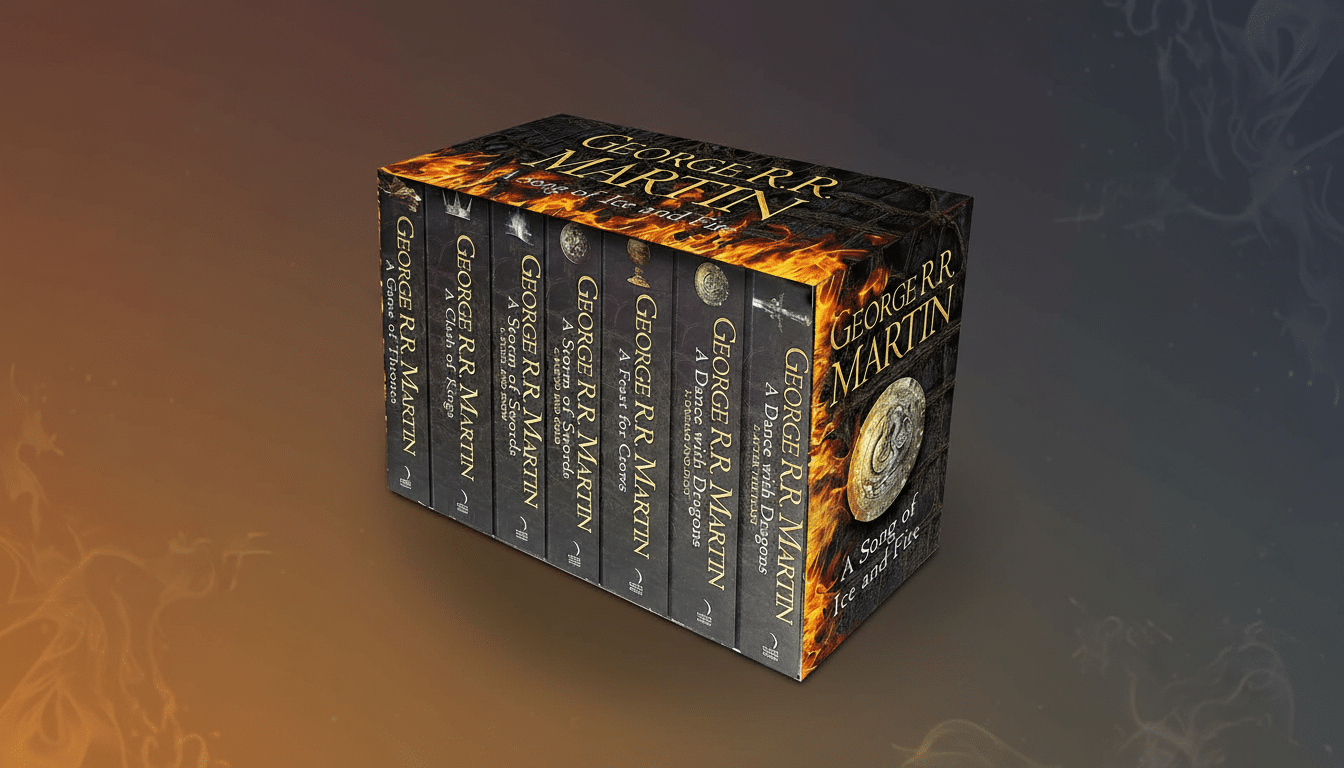
The divergence matters because the series long ago exhausted the published canon. David Benioff and D.B. Weiss have said they received endgame signposts from Martin for certain characters, but how those beats unfold—and who lives to see them—can differ widely. HBO has previously touted the show’s final-season audience at well over 40 million viewers per episode in the U.S., a reach that cemented TV Tyrion as a global figure. The novels, by contrast, can linger in moral fallout and brutality in ways the show often streamlined.
Why Tyrion’s Character Arc Ultimately Points To Tragedy
On the page, Tyrion’s journey has been relentlessly punishing: framed for regicide, betrayed by those he loved, he murders his father and flees across the Narrow Sea, where he endures enslavement and degradation before clawing his way back into the game. His wit protects him, but it also masks corrosive self-loathing and a mounting capacity for ruthlessness. From a literary standpoint, Martin has often invoked a “bittersweet” finish for the saga; Tyrion’s choices and traumas suggest he might occupy the bitter end of that spectrum.
The author’s world resists neat heroism, especially for characters who weaponize their pain. Tyrion’s empathy sets him apart, yet his spiral—drinking, cynicism, violent impulses—has been telegraphed as a tragic arc since his early chapters. Readers can plausibly expect consequences that feel emotionally right, even if they are devastating: imprisonment, catastrophic betrayal, or a final act that protects others at his own expense.
Signals And Implications For The Remaining Books
Martin’s comments arrive as anticipation for The Winds of Winter remains intense. The author emphasized he planned to “kill more people,” a reminder that the novels will not align beat-for-beat with the adaptation’s late-game mercy. He also noted that Sansa Stark’s portrayal on television nudged him to reconsider her original fate, implying that a few outcomes may shift while the overall tapestry stays darker.
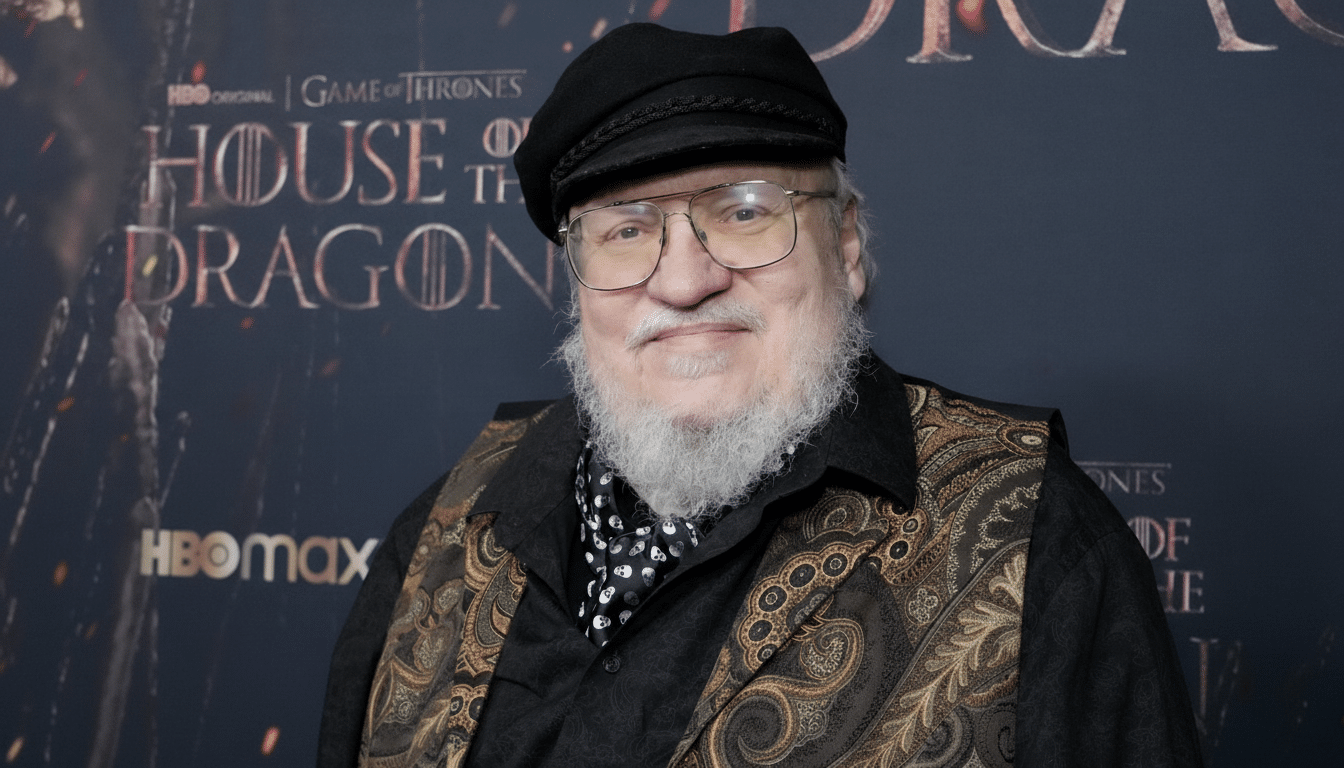
Industry watchers have long expected the last two books—The Winds of Winter and A Dream of Spring—to expand the Meereenese and northern campaigns while deepening the political fractures in King’s Landing. A tragic end for Tyrion would echo the series’ governing logic: individual brilliance rarely overpowers entrenched systems, and victory often arrives burdened by irreversible loss.
Fan Stakes And The Broader Cultural Impact Ahead
Tyrion is arguably the franchise’s most beloved figure. Peter Dinklage earned four Primetime Emmys for the role, and fan polling from groups like YouGov has repeatedly placed Tyrion among the top-ranked characters. On the page, his chapters are perennial reader favorites. That popularity, combined with the books’ global sales—publisher figures place the series above 90 million copies—means any grim conclusion will trigger outsized debate.
Yet Martin’s signal is consistent with his method. Where conventional fantasy rewards cunning with coronations, A Song of Ice and Fire scrutinizes the cost of survival. If Tyrion’s end is tragic, it will likely serve a thematic purpose: exposing how power corrodes even the clever, and how the debts of violence eventually come due.
For readers, the takeaway is clear. The books are steering toward a conclusion that honors the saga’s harsh internal logic. Tyrion may still dazzle, joke, and scheme—but the author who created him is preparing us for the possibility that the Lannister who always pays his debts may have one last, devastating bill to settle.
