


George R.R. Martin has described his working relationship with House of the Dragon showrunner Ryan Condal as “abysmal,” a striking escalation in the long-simmering creative friction behind HBO’s Targaryen epic. In comments reported by The Hollywood Reporter, the author of Fire and Blood said he felt increasingly sidelined during the show’s second season, sharpening a debate over fidelity to source material versus the realities of making event television.
What Martin Says Went Wrong in Season 2 Development
Martin characterized Season 1 as a true collaboration: he read drafts early, gave notes, and saw changes implemented. By his account, that dynamic shifted as Season 2 took shape. He says his feedback began to land with less impact, at times routed through HBO rather than addressed directly. In a tense meeting after Condal laid out his plan for the season, Martin reportedly told him, “This is not my story any longer,” underscoring how far the partnership had drifted.
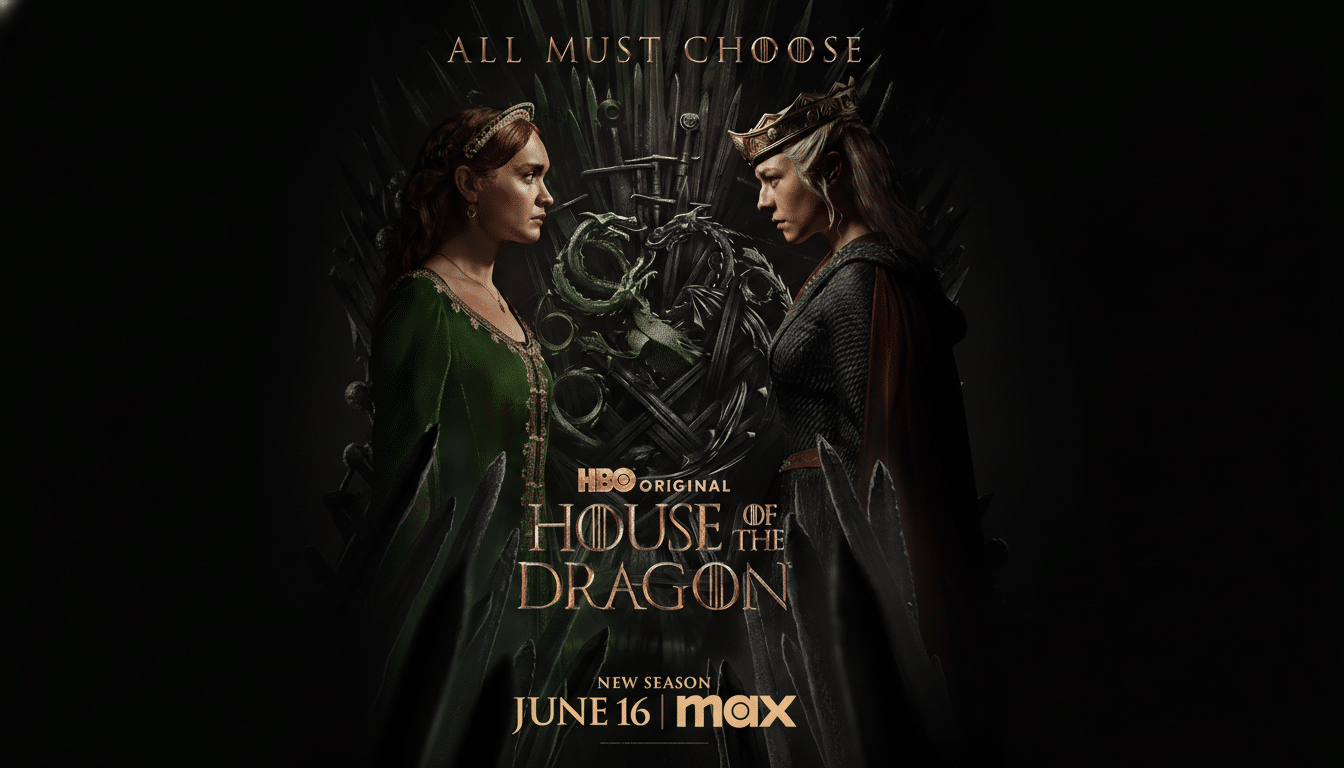
Following that exchange, Martin stepped back from active involvement at the network’s request before later returning under circumstances he has not publicly detailed. The author’s remarks signal a deeper concern: not just about individual beats, but about the show’s long-term narrative spine as it adapts his dynastic history into serialized prestige TV.
The Butterfly Effect Behind Blood And Cheese
The flashpoint for fans was a now-deleted entry on Martin’s Not A Blog titled “Beware the Butterflies.” There, he criticized a pivotal Season 2 change to the “Blood and Cheese” sequence—specifically, removing Maelor Targaryen from the tragedy. Martin argued that altering who lives and dies at that moment triggers a butterfly effect that could destabilize consequential plotlines downstream in Fire and Blood’s chronology.
That argument rests on the nature of Fire and Blood itself: a pseudo-historical chronicle told by conflicting in-world sources. The ambiguity gives adapters flexibility, yet Martin has suggested certain canon beats function as load-bearing walls. Adjust too many, and the architecture of the Dance of the Dragons—the motivations, reprisals, and legitimacy claims that fuel the war—can shift in ways that are hard to reconcile later.
Condal’s Defense And The Realities Of TV Production
Condal, in an interview with Entertainment Weekly, said he worked for years to keep Martin involved and valued his input, but emphasized the practical constraints of running the show. He framed the dispute as a clash between ideal fidelity and production realities, noting that his job requires advancing both the writing and the logistics—budgets, schedules, cast availability, VFX pipelines—on an unforgiving timeline.
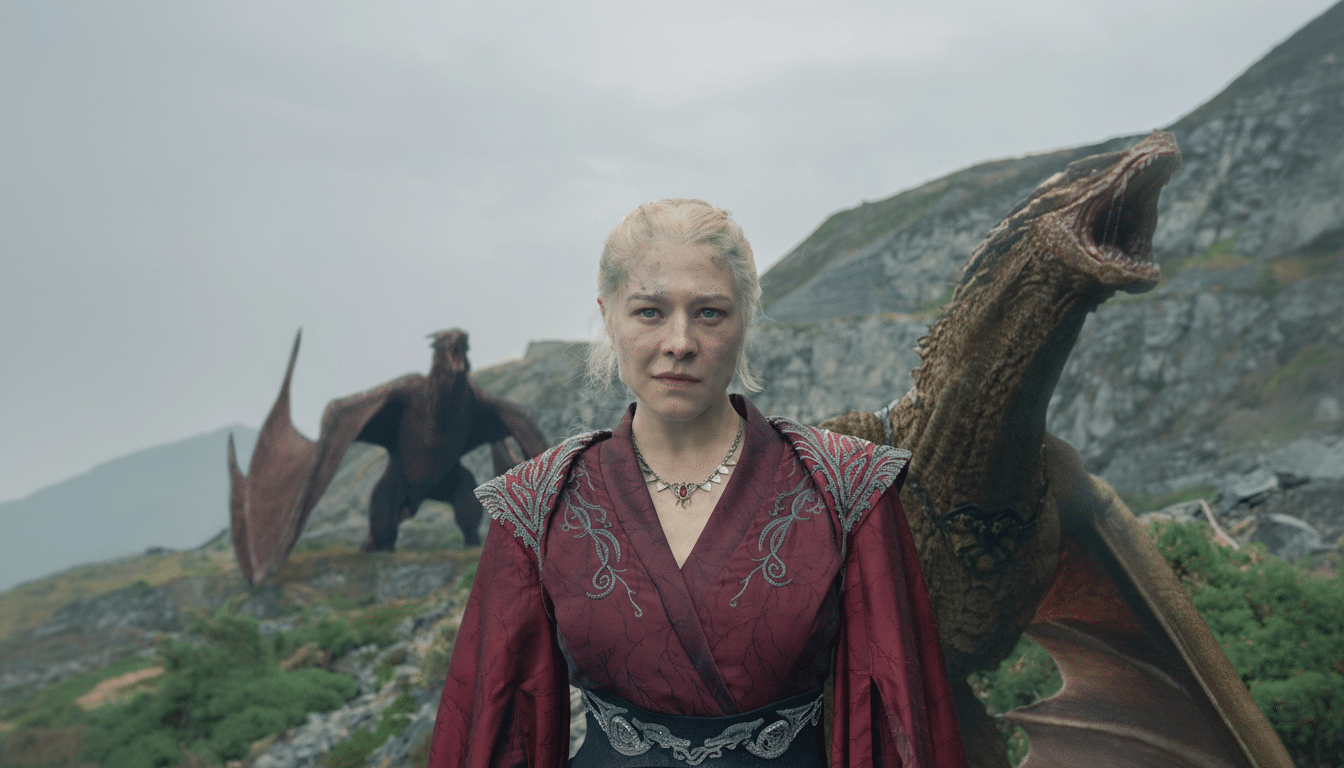
Those pressures are substantial on a series of this scale. Large ensemble casts, complex dragon sequences, and multi-country shoots often require consolidation, time jumps, or reordering material to maintain coherence. Television history offers parallels: the balance between authorial vision and production calculus has shaped series from The Witcher to The Expanse, with outcomes often determined by how clearly creative “non-negotiables” are agreed and enforced.
Why the Rift Matters for House of the Dragon Season 3
House of the Dragon remains a signature title for HBO. The network has said Season 1 averaged about 29 million viewers per episode across platforms, and the series earned the Golden Globe for Best Television Series – Drama, placing it among TV’s elite. With that profile comes heightened scrutiny: fractures at the top can ripple into tonal consistency, character arcs, and payoff for long-laid narrative threads.
For Season 3, the stakes are creative as much as commercial. The war between Team Black and Team Green depends on precision—who lives, who dies, and why those choices reverberate. Changes to keystone events can alter audience sympathies and the internal logic of the conflict. Whether Martin and Condal can reestablish a functional working rhythm may influence decisions on pacing, timeframes, and the prominence of key players.
The Bigger Picture On Author Showrunner Tensions
Adaptation experts often cite three tools for avoiding blowups: a shared story bible that locks the spine, clearly defined lanes for who decides what, and early alignment on moments that cannot move. Martin’s comments suggest the guardrails around House of the Dragon shifted midstream; Condal’s suggest those rails met the limits of production.
Despite the acrimony, both men have expressed a desire to make the strongest version of the show. Viewers, meanwhile, will judge the results on-screen. If House of the Dragon can preserve the emotional geometry of Martin’s saga while respecting the medium’s constraints, the franchise’s most combustible fire may remain confined to the dragons. If not, the behind-the-scenes blaze could prove harder to extinguish.
