


One of the most dependable lifelines to communicate off-grid just got a lot more accessible. The Garmin inReach Messenger, a pocket-size satellite communicator designed to be carried by hikers, overlanders, sailors and remote workers alike, finally dipped below $165, a great low price for it. That’s about $134 below its usual list price, a stiff discount on something that leverages the Iridium satellite network to keep you connected long after phones have gone dark.
Record-low deal details for Garmin inReach Messenger
This time-limited offer is available from a major online retailer and represents the largest public discount we’ve seen for the inReach Messenger since it was released. And with how rarely core safety gear is listed at a discount — especially models that rely on Iridium’s 66 cross-linked satellites for truly global coverage — these things tend to disappear quickly.
- Record-low deal details for Garmin inReach Messenger
- What features are important while living off the grid
- Why this inReach Messenger sale is perfect right now
- Plan pricing and what you’ll pay ongoing
- How Garmin inReach Messenger compares to rivals today
- Should you grab it at this price, and who benefits most
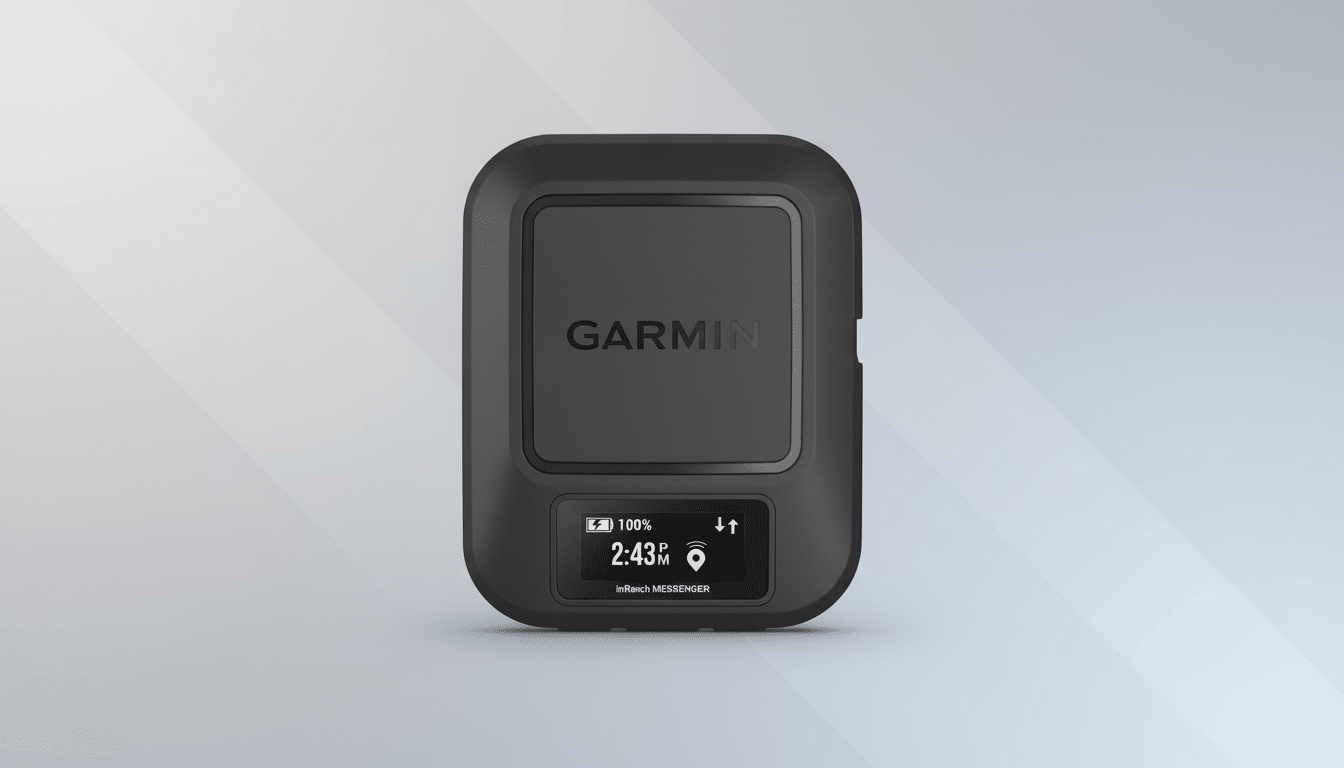
What features are important while living off the grid
Unlike cell phone “emergency only” features in some phones that only work in limited locations, the inReach Messenger provides 2-way text messaging from almost anywhere on Earth by using Iridium. It’s also compatible with your phone, bringing texting and chatting options to the Garmin Messenger app so you can message contacts and group threads — or use it as a standalone device with preset messages when you want to keep things simple (and save battery life).
And if you need help, an SOS button will put you in contact with Garmin Response, the 24/7 international coordination center (formerly known as GEOS) to notify local search and rescue teams of your emergency and tell those at home something’s gone horribly wrong. In other words, location sharing and live tracking can help make it simple for friends and family to follow your route, while a TrackBack function can get you back to the start line if plans change or visibility dips.
The Messenger is designed for hard use: IPX7 water resistance, a pocketable form factor of only ounces, and battery life rated up to 28 days per charge in default operating modes. It intelligently defaults to cellular or Wi‑Fi where those are available and switches over to satellite as necessary, lowering the cost of satellite messages and saving battery life.
A small but useful convenience: You can send a brief check-in message with just one button push, and those typically do not count against your monthly message allotment — handy for quick “all good” pings from the trail or water.
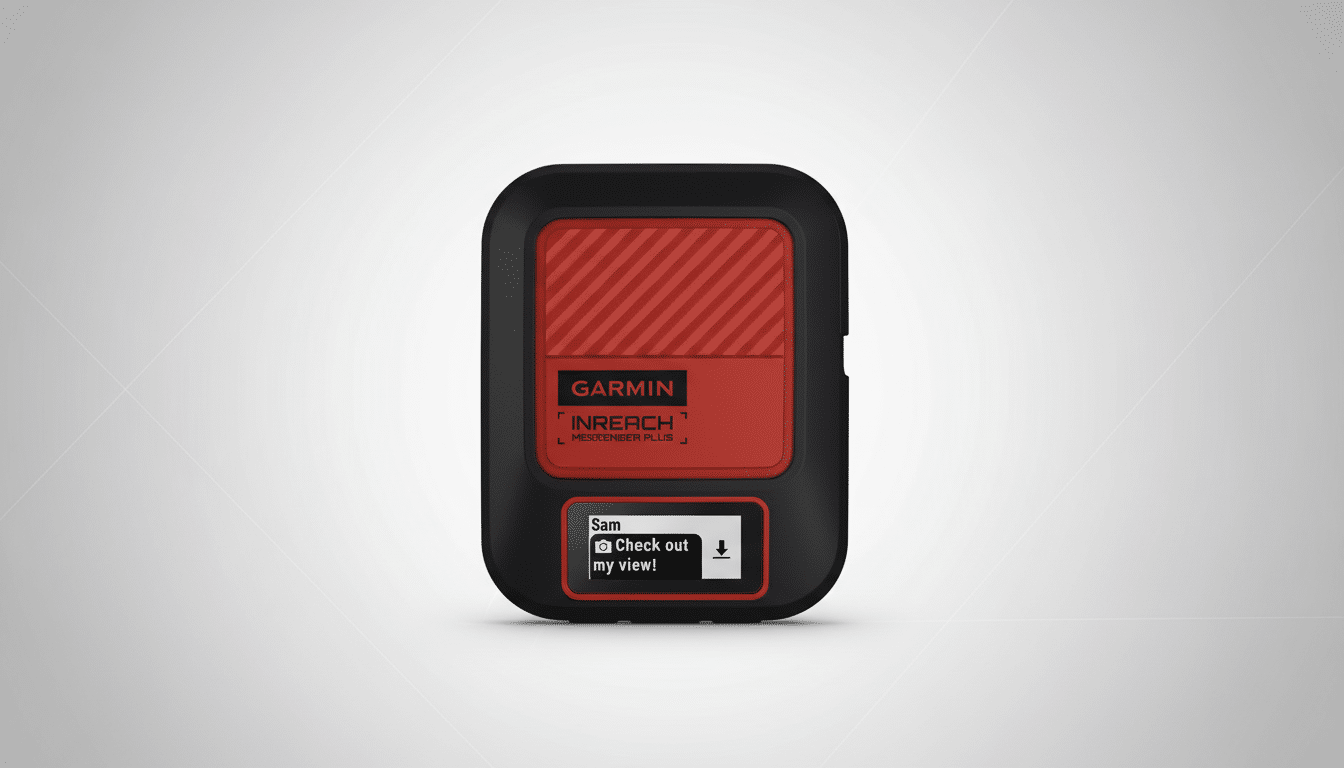
Why this inReach Messenger sale is perfect right now
Backcountry access is no longer an indulgence. Each year, the National Park Service logs about 3,000 to 4,000 search-and-rescue incidents across U.S. parks, and time is of the essence. The FCC’s own coverage maps, meanwhile, still contain significant gaps in mountainous, desert and forested areas. A 2-way satellite unit can reduce the time from distress to dispatch and give rescuers an accurate location, which will save lives if things are getting worse.
Real-world users frequently point to the value beyond emergencies: coordinating late arrivals at trailheads, updating team logistics down in a canyon with no cell service, or checking marine weather before setting out on a coastal crossing. The fact that the Messenger can easily switch between cellular and satellite means it’s a real, daily tool instead of just a “break-glass” gizmo.
Plan pricing and what you’ll pay ongoing
All inReach satellite features require a subscription. Garmin provides both monthly and annual plans, with low-end bundles starting at around $7.99 per month, with higher tiers coupled with additional capabilities such as larger message bundles, tracking intervals and weather downloads. Lots of customers choose month-to-month, on-demand options during the height of adventure seasons — and simply pause when they don’t need service.
How Garmin inReach Messenger compares to rivals today
Contrasted to others like Zoleo or Spot, the inReach Messenger rides on Iridium’s still-alive pole-to-pole coverage and also on Garmin’s mature SOS infrastructure. Apple’s Emergency SOS via satellite is slick but restricted to specific areas and iPhone models, while persistent two-way texting with contacts isn’t included outside of emergencies. If that isn’t where your use case leads you, inReach continues to provide as much dependable global messaging plus a credible emergency escalation path as anyone else out there.
Should you grab it at this price, and who benefits most
If you spend any part of your life far beyond the reach of cell towers — whether you’re backpacking, hunting, overlanding, sailing or working remote sites — this is the time to buy. And a device that can call for help, share your location and keep conversations flowing off the grid at its lowest price ever? Throw in a flexible plan, carry around a USB‑C cable and you’re covered for anything from periodic check-ins to full-blown emergencies.
