


Garmin is taking food logging in-house, adding native calorie and macronutrient tracking into the Garmin Connect app. Unveiled at CES, the update brings diet under the same dashboard as training, recovery, and sleep, with Garmin hoping to sew up one of the final major gaps in its ecosystem.
The in-depth nutrition bits live behind Garmin Connect+, the company’s premium tier that costs $7 a month or $70 a year. Free users will continue to be able to check standard health and activity statistics, but the added nutrition insights built into those stats are for subscribers only, the company announced.
What the new nutrition tools accomplish
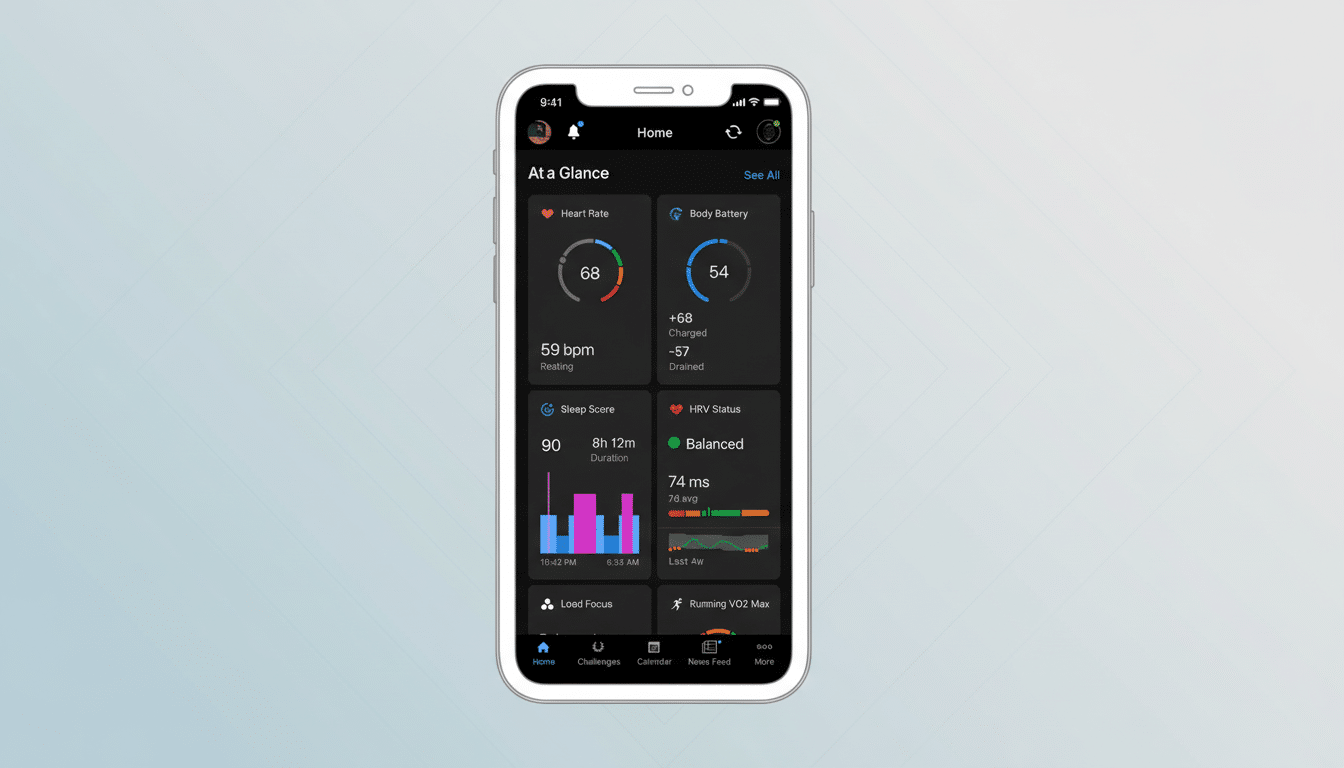
Inside Garmin’s own interface, the app now allows users to log calories and track macros — carbs, protein, and fat. You can input foods via a searchable database, scan UPCs in the grocery store, or use your phone’s camera to capture caloric content of common meals. Daily, weekly, and monthly summaries help identify trends, and consumed calories sit alongside those depleted from workouts and basal metabolism.
That’s not to say that real-time data isn’t a huge part of what makes the Connect+ such a standout, and it is because of how this information feeds into Garmin’s Active Intelligence (which is part of the Connect+ experience). Rather than a diet diary, the app pairs consumption with training load, recovery markers, and sleep. Miss on energy and you’ll see that next to fatigue and readiness scores when it’s time for heavy training. Go to bed after a big meal and the app might alert you that doing so could affect your sleep quality, an association that has been made in controlled studies by researchers who study sleep.
Why it’s important for training and recovery
Until now, Garmin users were forced to use third-party apps such as MyFitnessPal for food logging and cross their fingers that the sync functioned. That fragmentation made it difficult to translate data into decisions — especially since nutrition, sleep, and training lived in different places. By adding diet into Connect, it reduces the friction and, importantly, anchors fueling choices within the same context as, say, heart rate, HRV, or workload.
There is good evidence that regularly tracking one’s food intake leads to better outcomes. One of the earliest and most high-profile studies that found participants who kept a food diary seven days a week lost twice as much weight as those who didn’t is Kaiser Permanente’s study, which has been widely cited in health news stories for years; digital logging has demonstrated similar adherence benefits in research published in the Journal of Medical Internet Research. For athletes, linking that habit with effective training data might eliminate underfueling; it can also be used as a tool to assist in recovery and refine macro targets during race build-ups.
How it stacks up across fitness platforms
Competitors have gone in for a bit of nutrition themselves, with mixed levels of depth. Samsung Health has simple meal logging and barcode scans; Fitbit’s app treats food tracking as peripheral but emphasizes readiness and stress metrics; Apple Health collects nutrition data, but you must use third-party apps to log meals. Wearables such as Whoop and Oura gather rich recovery signals but do not offer complete macro tracking in the app.
The connective tissue is the advantage for Garmin. And by layering macros on top of training load, recovery insights, sleep staging, and features like Body Battery or Training Readiness, the platform could offer practical nudges: bump your carbs pre-threshold workout, up your protein on lifting days, or taper late-night snacks for better sleep efficiency. That context is what many athletes and coaches have been rigging together from several different services.
Pricing, availability, and device compatibility details
As an add-on service for Connect+ subscribers, the new suite of nutrition features can be found in Garmin Connect at a cost of $7 per month or $70 annually. It’s rolling out through the mobile app, and works with Garmin’s broader ecosystem of devices — from Forerunner watches, to Fenix/Epix watches, to Venu series or Edge cycling devices — given the logging bits happen in the app. The existing smorgasbord of integrations isn’t going anywhere, but Garmin is obviously betting that a one-stop shop will sway serious athletes who prefer the elegance and deeper insights of an all-in-one platform.
Like any health feature, this isn’t meant to substitute for professional nutritional advice, but it’s a meaningful addition to a training hub that many people are looking at in frustration with nothing else but exercise and gadgets available. If you already exist in the Garmin universe, seeing calories in and calories out, macros, recovery, and sleep all under one roof might be the nudge that makes food logging stick — and the piece that turns scattered metrics into a cohesive plan of attack.
