


Looking for that blast from the past at a price point that’s not just an impulse buy? A retro-styled handheld hardware emulator that resembles a vintage Game Boy is now on the market for about $65, offering plug-and-play nostalgia solutions to match its throwback form factor.
At a minimum, RetroMimi’s Retropian Color combines the classic candy-shell aesthetic with a Linux-based OS, microSD expandability, and a 3.5-inch IPS display—squarely targeting anyone who’d like some handheld access to decades of 8-bit or early 3D classics on their person at all times.
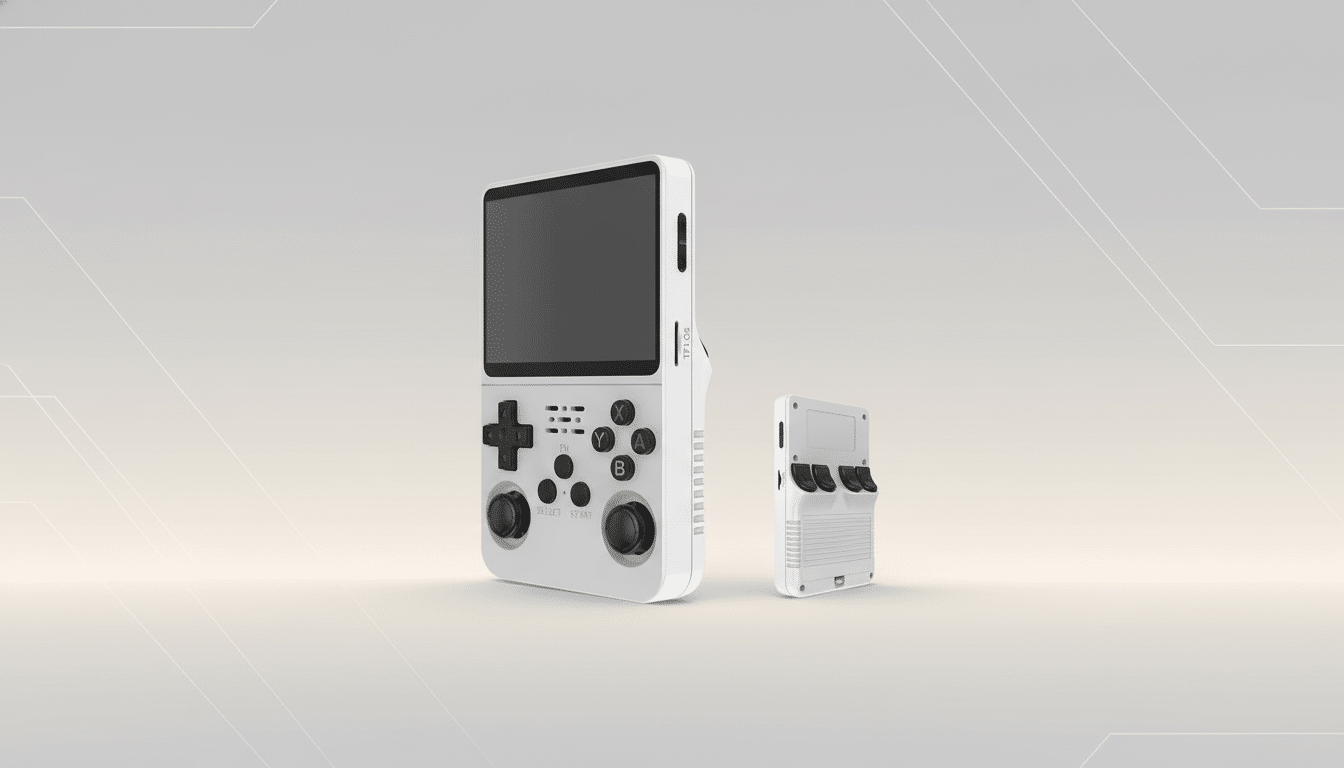
What You Get with the Retropian Color Retro Handheld
The Retropian Color retains the shape that fans remember but modernizes nearly everything else. Its 3.5-inch IPS panel comes in at 640×480, a resolution finely tuned for sharp pixel art and the clean integer scaling of games from the 240p era. The result is a crisper, brighter image than you could get from the original handhelds held up to your face, with wider viewing angles that make couch co-op or quick show-and-tell moments easy.
On the back end, the device runs a headless build of Linux configured for emulation, with front-end menus optimized for quick browsing using the D-pad and face buttons. Storage is microSD-based, so capacity can readily be increased or backed up instantly. Battery life falls in the six-hour-per-charge range—enough for a weekend getaway or some extended commuting—without having to juggle AA batteries.
It comes preconfigured to emulate more than 20 different systems out of the box and works with your own ROM backups (easily dumped from any original hardware you have—or, for whatever reason, downloaded from the internet). Its hardware layout consists of the requisite D-pad, four face buttons, start/select, and shoulder triggers—enough to cover handheld platforms, 16-bit hits, and most PS1-era titles.
Performance and compatibility across 8-bit to PS1 systems
Anticipate basically perfect play for handheld and home consoles through the 16-bit era, even solid compatibility as far forward as software on the PS1 with 2D titles and many 3D games. Higher-demand devices such as Nintendo 64 are usually beyond the capability of hardware in this price level.
The 640×480 screen is a muted win. Since the majority of retro consoles output at or near 240p, this display can do 2x integer scaling with no visual artifacts to multiply pixels—keeping sprites sharp! For these reasons, emulation-centric communities like Retro Handhelds and retro gaming forums often point to 3.5-inch 640×480 panels, and the Retropian Color sticks to that script nicely.
Audio and input latency are also strong for the category. Boutique FPGA devices remain the gold standard for timing, but finely adjusted Linux handhelds have now reached a point where casual gamers and most enthusiasts really won’t see many, if any, issues with timing on supported platforms.
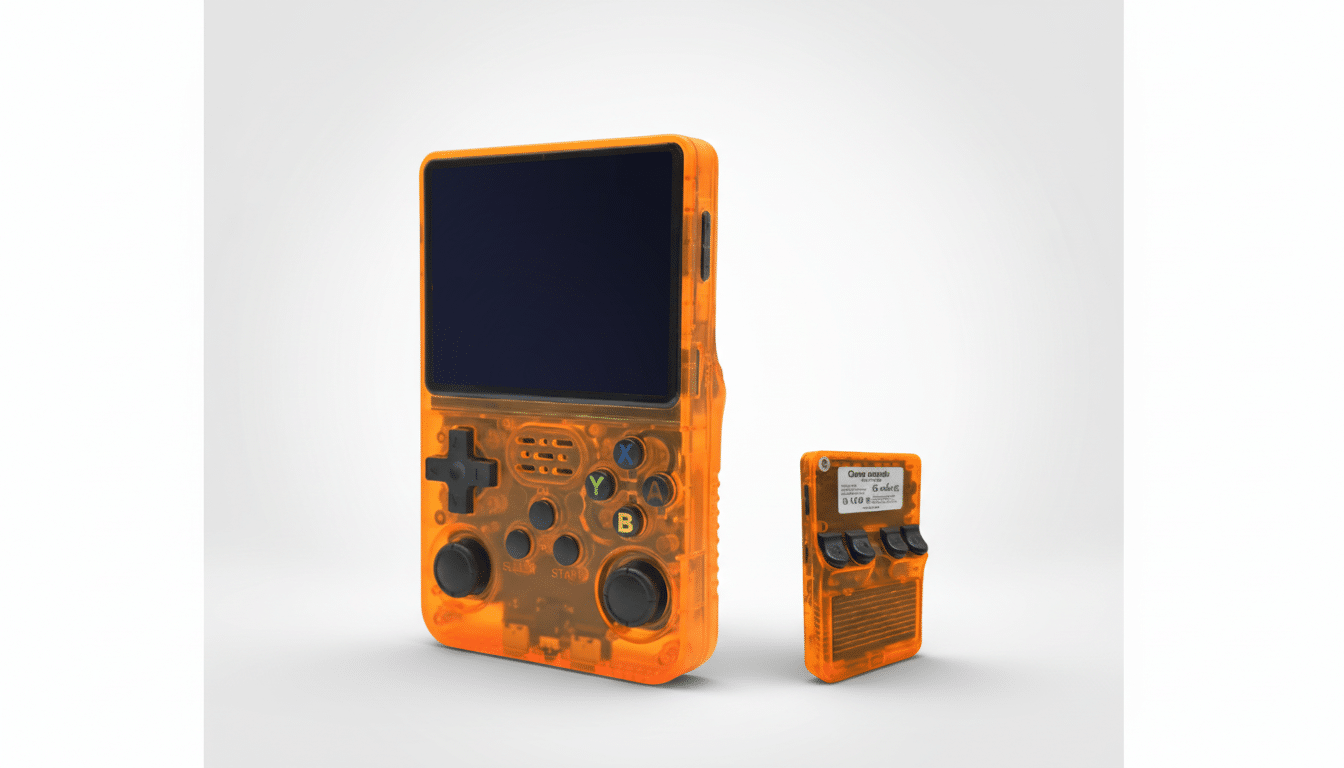
How It Compares to Other Budget Handhelds
The sub-$100 retro handheld market has boomed based on my inbox and social media feeds over the past few years—popular options like the Anbernic RG35XX and Miyoo Mini Plus often come in somewhere around $70 to $100 depending on stock and sales. Priced around $65 (with free shipping), the Retropian Color is a bargain against a ton of competition, while also following the favored 3.5-inch 640×480 spec and running community-familiar software.
It will not compete with premium alternatives such as the Analogue Pocket—a device built on an FPGA that some preservationists and reviewers have praised for its near cycle-accurate performance—but those devices cost several times more and aim at a different audience. If you want 8/16-bit libraries and PS1-era golden oldies at your fingertips for quick portable access, the Retropian Color provides that without any fuss.
Legal and practical notes on ROMs and storage use
Ownership of games is of course important as it would be with any emulator device. Rights holders and groups like the Entertainment Software Association frequently remind players that downloading copyrighted ROMs you don’t own is illegal. The most responsible approach is to dump your own cartridges or discs, or use titles released officially as legal downloads by publishers and retro compilations.
For storage, get a microSD card from a brand with a good track record for longevity. A UHS-I, A1 card is more than enough for this workhorse. Occasionally back up your card and retain a second one for trying different front-ends or themes.
Who this budget retro handheld is best suited for
If you’re after a cheap, pocketable way to play classic platformers, RPGs and arcade greats, this is the sweet spot. It’s a solid buy for commuters, parents who are after a kid-friendly retro machine, collectors who would rather have something dedicated than just use their phone and, really, anyone who would prefer an easy setup over enthusiast-grade build quality.
The Retropian Color’s $65 sticker price and the correct selection of screen, controls, and open-source software lay a solid enough foundation to show how far budget emulation handhelds have come. It’s not meant to be your all-systems powerhouse; it’s designed to make the greatest periods of 2D and early 3D gaming low-effort—and that price is its lead story.
