


The next Galaxy Z Fold may be the first to truly undo one of mobile’s oldest trade-offs. Samsung could be about to deliver both portability and stamina in the same flagship foldable, with a South Korean report from Maeil Business Newspaper stating that the Galaxy Z Fold 8 is vying for an “extremely light” body while upping battery capacity to 5,000mAh.
What You Get When Your Foldable Weighs Around 200g
The Z Fold 8 could weigh about 200 grams, the report notes — roughly 15 grams less than its previous generation’s total of around 215.
(Image courtesy of Samsung) That would be about a 7 percent decrease from year to year. In practical terms, going sub-200g also places a book-style foldable in the weight class of traditional slab flagships, so readers and gamers with beefy biceps and no patience for wrist fatigue on heavier slabs will finally have one less thing to complain about.
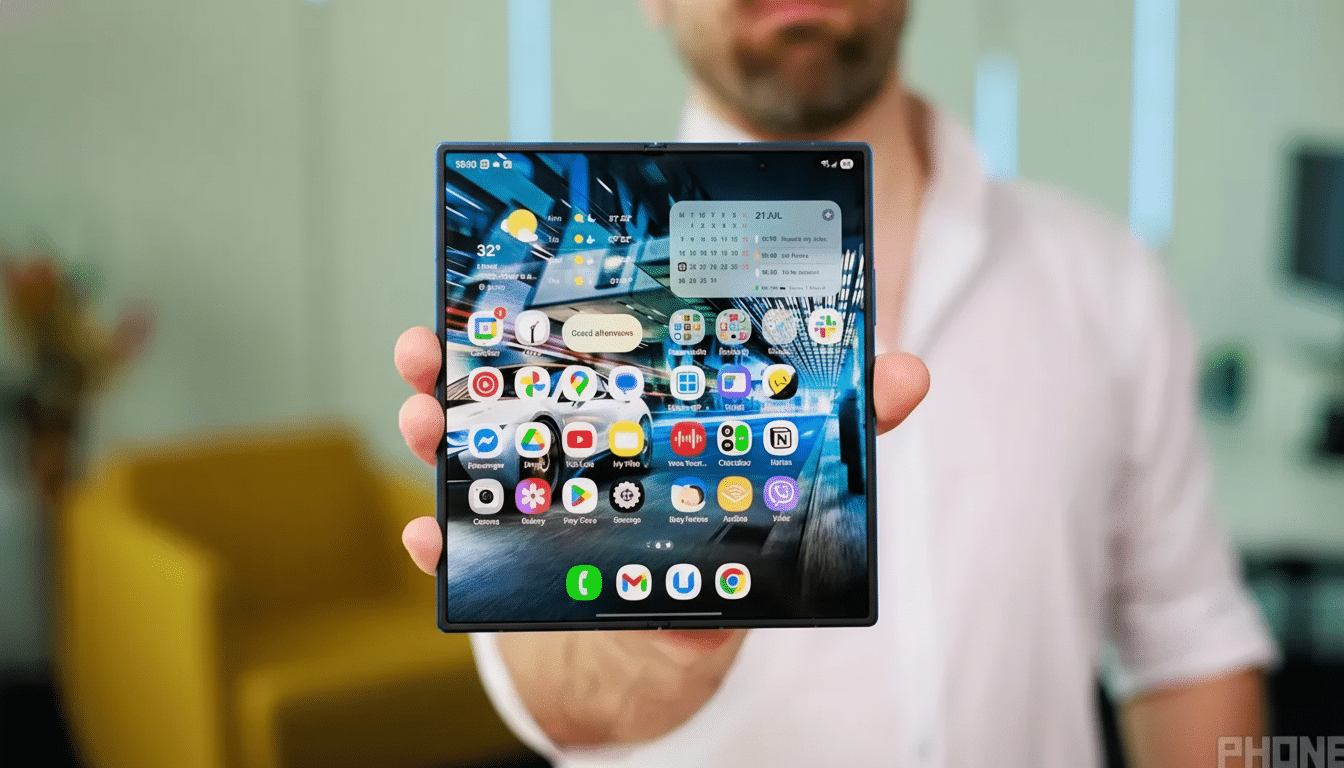
How do you drop that much weight without sacrificing durability? Look for a medley of marginal improvements: a slimmer hinge, lighter on the parts that form it; lighter alloys in the frame; refinements to ultra-thin glass and protective layers; and tighter internal packaging. The foldables universe has taught us that 1 to 2 grams in incremental weight reduction has a way of adding up, and Samsung has been iterating fast with the hinge architecture over the past few generations.
Bigger Battery Without Adding Extra Bulk
The reported 5,000mAh pack is a significant increase from the 4,400mAh capacity we got in the previous version — that’s about 13.6% more speedy fun running on Android.
For a device that drives two displays — including a sizable inside panel — those additional watt-hours can result in tangible gains in screen-on time and standby consistency. It also puts the Fold in line with battery capacities found inside of premium slab flagships, a bar foldables have scorched up until now.
Considering that we’re getting both a lighter body and bigger battery, we can infer that the cells Tesla will use in Model 3 vehicles have a higher energy density than what they produce today while still fitting into an efficient mold. Industry watchers have observed Samsung SDI’s development of stacked cells architecture and silicon-doped anodes in recent years—technologies that can bring the density improvements without increasing volume. Even a couple of percent improvement in cell chemistry, combined with more intelligent internal layout design, might unlock hundreds of extra milliamp-hours here.
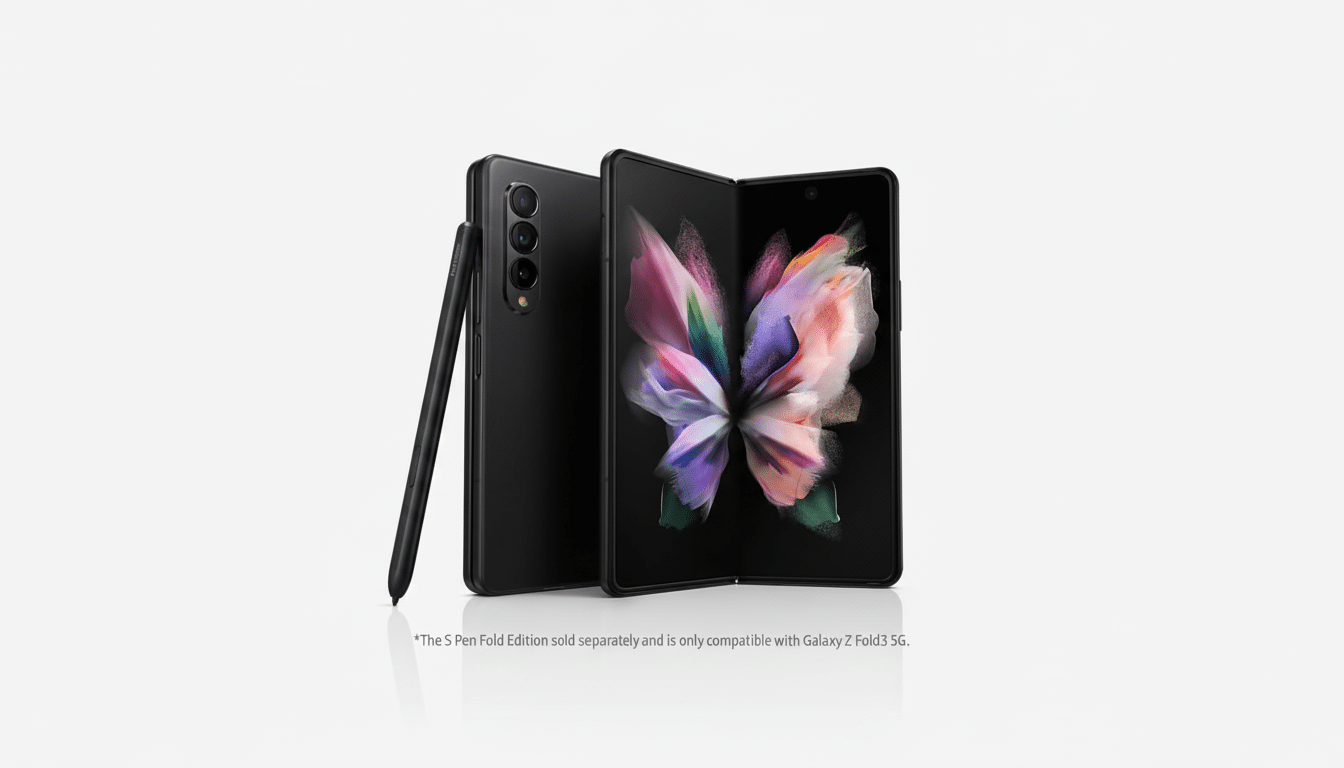
Galaxy Z Flip 8 Also Cuts Weight Compared to Predecessor
That report lists the Galaxy Z Flip 8 at around 150 grams, lower than about 188 grams for its predecessor. That would represent quite a dramatic 20% reduction that could leave it even lighter than some full-bodied non-folding phones. For a clamshell, weight is as important as thickness: Lighter devices feel more secure when you’re flipping them open one-handed and ride more comfortably in your pocket or purse.
Pricing Outlook and Ongoing Supply Chain Pressures
Notably, the price is tipped to remain unchanged compared to last year’s foldables. If Samsung manages to do that, it would stand out in a market with recent component inflation. TrendForce has highlighted memory price hikes throughout 2024-2025, and back in January, Display Supply Chain Consultants indicated that foldable panels were still maintaining a premium over traditional OLEDs, even as yields get better. Holding retail prices flat in the face of those forces would indicate forceful cost engineering and scale.
Why The Weight And Battery Are Important On A Foldable
Counterpoint Research analysts have, time after time, cited weight, thickness, battery life, and price as the key obstacles that need to be overcome in order to take foldables mainstream. One such solution? The 200-gram Gravity Fold would eliminate two of those pain points. It would also underscore Samsung’s competitive position relative to rivals that go after beefier batteries, but sometimes at the cost of heavier or bulkier designs.
There’s a user experience angle as well. A lighter product takes away the shock of going from a slim phone to a tablet screen. A bigger battery provides better support for those high refresh rates, multitasking, and longer sessions on the inner display (the use cases that explain why people buy a Fold in the first place).
The Caveat: Early Reports May Shift Before Launch
These are still prelaunch claims, and device weights can fluctuate some as designs lock in; battery capacities often appear through certifications near launch, and actual endurance will be a function of chipset efficiency, display drivers, and software tuning. Even there, though, the direction is pretty plain: if the latest reporting pans out, Samsung is positioning its next Fold to be less of a compromise and more of a true everyday driving device.
