


It looks like Samsung might finally be ready to shake off its long-criticized camera formula. According to noted leaker Ice Universe, the Galaxy S27 Ultra will replace its main, ultrawide, and front sensors, and the periscope module will boast a wider aperture. If true, this would signal the most substantial hardware refresh in years for the Ultra line and potentially the end of incrementalism at the company.
A Turnabout After Years of Sensor Recycling
From the Galaxy S21 Ultra to the S24 Ultra, Samsung relied on iterative tuning rather than radical camera hardware overhauls. The S24 Ultra, for example, retained a 200MP 1/1.3-inch-class main sensor (along the same spec lines as the ISOCELL HP2) while holding onto its familiar 12MP ultrawide and mid-tele module injected with relatively older silicon. The image quality had gotten better in processing, but the underlying optics had barely budged.
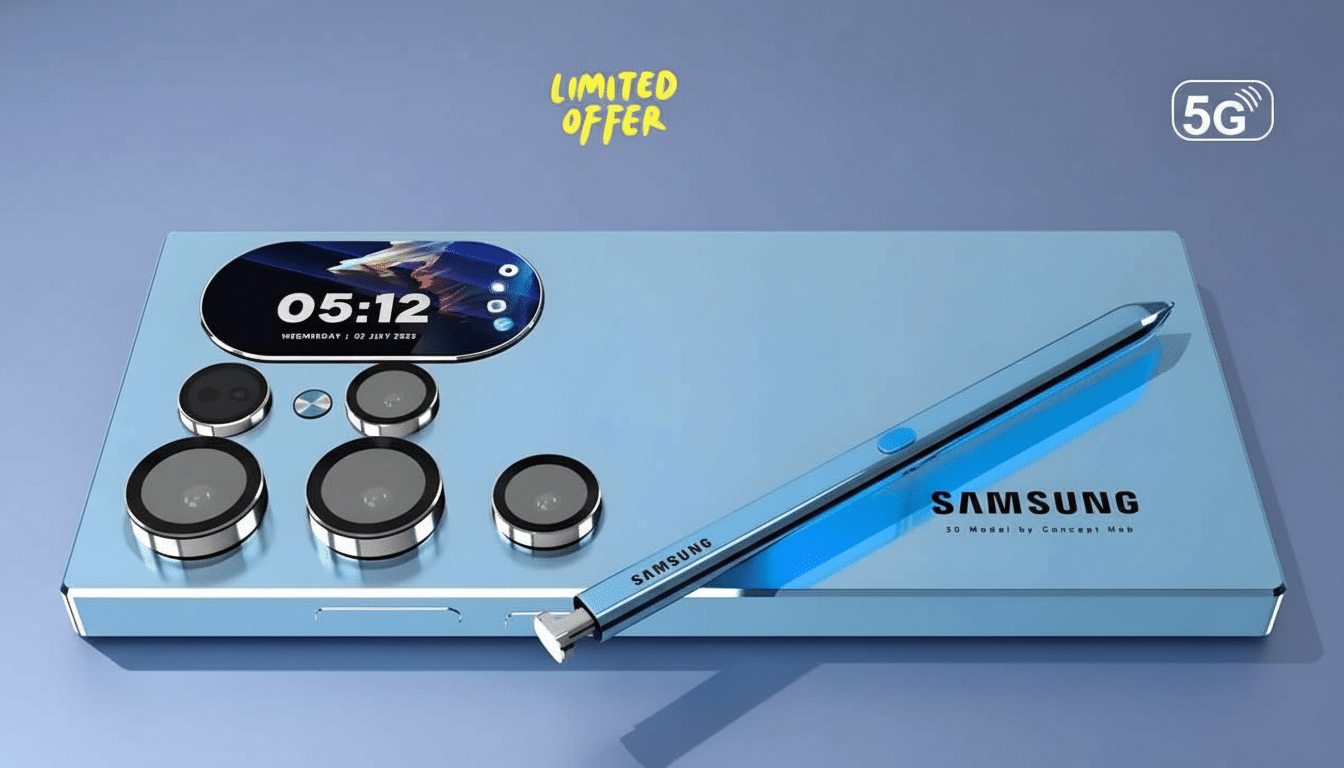
And the market has not been static. He points out that the phones occupying the top of DXOMARK’s 2024 leaderboard, such as the Huawei Pura 70 Ultra, Honor Magic6 Pro, Oppo Find X7 Ultra, and Xiaomi 14 Ultra, are all “relying on larger sensors, brighter glass, and new stabilization.” Xiaomi’s 14 Ultra, for instance, has a 1-inch-type primary sensor, while Vivo’s X100 Pro matches big glass with advanced stabilization. These decisions result in superior low-light performance, cleaner zoom, and more consistent color science across focal lengths.
Samsung is among the leaders in shipments, according to Counterpoint Research, but its priciest flagships have often lagged behind rivals in independent camera rankings despite impressive computational work. A true hardware refresh would solve that perception problem, as well.
What Could Change on the Galaxy S27 Ultra’s Cameras
The S27 Ultra’s main, ultrawide, and selfie cameras will be changed up, according to Ice Universe. There are few details yet, but a higher-spec main sensor could mean larger photosites with faster readout and enhanced dynamic range — crucial for night scenes and HDR video. Samsung is said to have considered a step up to a 1/1.1-inch 200MP sensor before cost issues forced them to walk it back, so let’s take that “next-gen” upgrade as meaning higher quantum efficiency and better dual conversion gain in the class of camera with a 1/1.3-inch-equivalent sensor.
On a 200MP sensor, Samsung’s Tetra2pixel binning can fold the data 16-in-1 for 12MP output or 4-in-1 for 50MP. A new sensor could help improve detail retention in the 12MP mode while reducing noise, and speed up multi-frame fusion for moving subjects — an area where some rivals have had the edge. You can look forward to improved texture preservation in low light and fewer HDR artifacts around high-contrast edges.
The ultrawide update is more significant than it may sound. Many flagships still treat ultrawide as a secondary lens, but with a higher-resolution, larger-sensor ultrawide you can produce sharper edge detail, upgraded macro focusing, and better color matching between the main camera and the ultrawide. Backward-compatible though that new sensor may be, should the front camera get its own updated sensor and optics, it would finally pave the way for cleaner 4K60 with wider dynamic range and more consistent autofocus, addressing common creator frustrations.
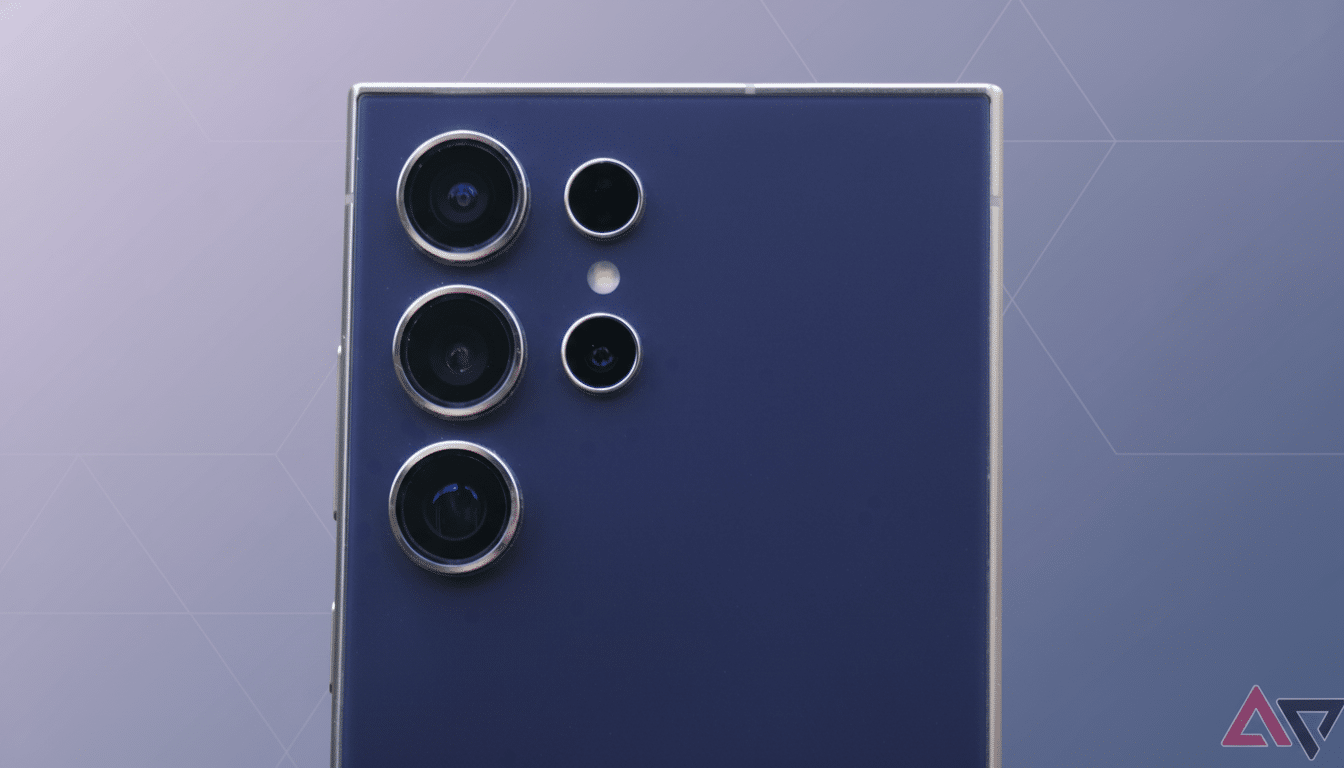
The periscope zoom is also said to stay at the same resolution but have a slightly wider aperture. That one change is quietly massive: Going from, say, f/3.4 to f/2.8 would increase the light intake by around 47%, resulting in faster shutters and lower ISO at longer focal lengths. The payoff would be more consistent 5x–10x shots at night and less aggressive noise reduction (which has a tendency to smear fine detail).
Telephoto hardware likely to stay largely unchanged
But be warned: Not every lens will be newly minted. The 3x and 5x combo of the S24 Ultra was very flexible in framing. By and large, it’s possible Samsung just doubles down on better glass and algorithms without necessarily having to swap wholesale sensors. A larger periscope aperture and stronger stabilization would solve the weakest link for many Ultra photos: soft, noisy long-zoom shots in low light.
The image signal processor and on-device AI could make the bigger leap. Next-gen silicon usually helps improve multi-frame throughput, temporal noise reduction, and HDR fusion. Samsung and Qualcomm have also shown off features such as Zoom Anyplace, a use case for having a high-resolution sensor that follows and crops subjects in 4K without any degradation. Look for steadier subject tracking across the lenses, smarter face and skin-tone rendering, and better color matching between the main module and tele.
Competition Forcing Samsung’s Hand Here
Chinese manufacturers have reset expectations by marrying large sensors with brighter apertures and superb stabilization. Huawei’s retractable 1-inch-class main camera, Oppo’s double-periscope philosophy, and Vivo’s gimbal-like systems speak of a readiness to innovate on optics as well as software. Even Apple’s move to a 5x tetraprism was a significant gain for the iPhone, and shows how hardware differentiation has become paramount for premium cameras.
For Samsung, the wide-reaching sensor refresh suggests that this time, computational photography will be matched with optics just as ambitious. The formula has been behind recent DXOMARK leaders and the stream of praise from professional reviewers: larger sensors, better glass, and faster pipelines, all working in harmony.
What to watch before the Galaxy S27 Ultra launch
Monitor supply chain whisperings from Korean outlets and component trackers to look for hints around new ISOCELL parts, particularly a 200MP sensor with better full-well capacity or a stacked layout.
Camera APK digs also typically unearth new focal lengths, apertures, or video modes months before debut. And the early EXIF-tagged samples uploaded by testers to their social platforms usually confirm sensor IDs and apertures ahead of any official announcement.
If these rumored leaks materialize, the Galaxy S27 Ultra might be the one to break Samsung’s incrementalism. A refreshed main, ultrawide, and front camera — along with a brighter periscope — would cure long-standing gaps and bring the Ultra back into genuine head-to-head competition with the most ambitious camera phones out there.
