


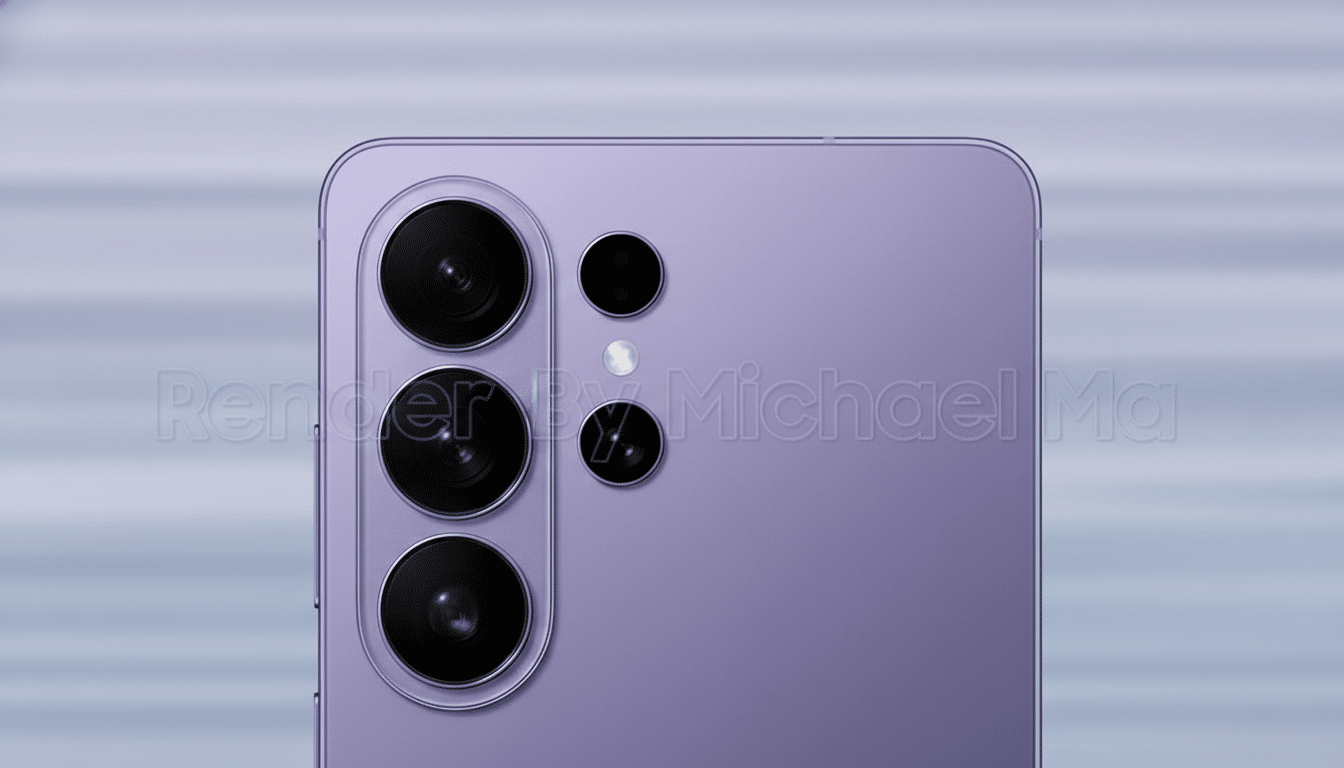
A credible new leak suggests Samsung’s next Ultra flagship may finally jump to a native 10-bit OLED panel, a notable step up from the 8-bit + FRC solution seen on its recent top-end phones. For display purists, that could translate to visibly smoother gradients, fewer banding artifacts, and better rendering of high dynamic range content.
What a Native 10-Bit Panel Means for Color Depth
Color depth is measured in bits per channel. An 8-bit panel can show 256 shades each of red, green, and blue for roughly 16.7 million total colors. A true 10-bit panel expands that to 1,024 shades per channel, unlocking about 1.07 billion colors. The extra gradations reduce visible steps in color transitions—think cleaner skies, smoother skin tones, and subtler shadow detail.
Many phones advertise “10-bit” visuals using frame rate control, a dithering technique that rapidly alternates between nearby shades on an 8-bit panel to mimic higher depth. When the panel itself is natively 10-bit, it can render those tones directly rather than approximating them, which should minimize flicker-driven artifacts and improve consistency in tricky scenes.
Why It Matters for HDR Content and Mobile Media
Modern mobile content increasingly targets higher bit depths. HDR10 and HDR10+ video formats are graded at 10-bit, and major services deliver compatible streams. A native 10-bit screen aligns the display pipeline with the mastering format, enabling finer gradation in highlights, more stable near-black detail, and less color banding in bright gradients like sunsets or neon signage.
It also benefits creators. The Galaxy S line already supports advanced capture modes, including HDR video and high-bit-depth stills. Editing those files on-device—adjusting exposure or color curves—should look closer to the intended result when the panel can faithfully render extra shades without relying on temporal tricks.
How It Stacks Up to Rivals in Color Depth Claims
Competitors have been pushing color depth as a premium differentiator. Recent flagships from brands like Oppo, OnePlus, and Xiaomi tout 10-bit or even 12-bit panels (the latter theoretically supporting up to 68 billion colors). Apple’s high-end phones support wide color and HDR workflows and are widely understood to handle 10-bit content end-to-end, even if spec sheets avoid bit-depth jargon.
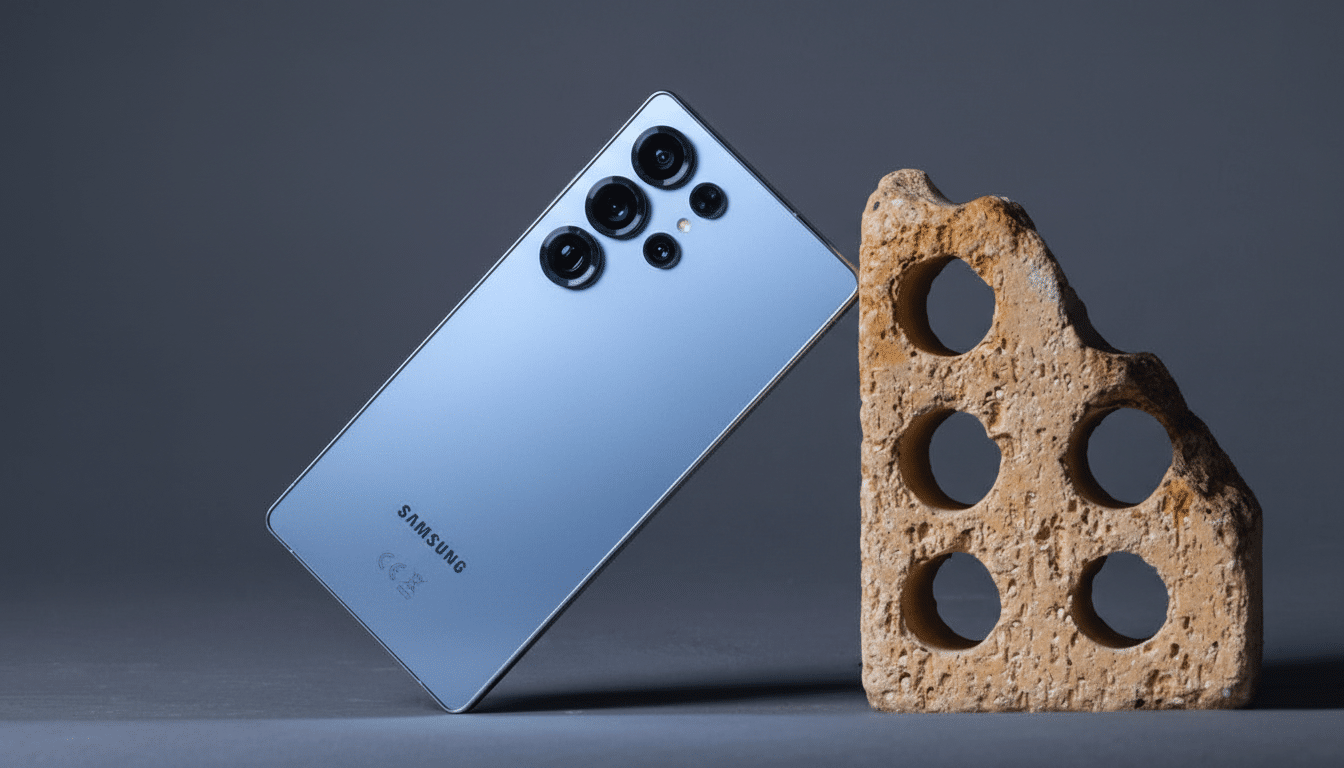
Industry analysts at Display Supply Chain Consultants have noted a broader shift toward higher-bit-depth OLED drivers and improved emitters, as panel makers chase both efficiency gains and visual refinements. If Samsung’s next Ultra adopts a native 10-bit panel, it would bring the company’s mainstream flagship squarely in line with this premium tier.
The Rumor and the Reality Check on 10-Bit Upgrade
The claim originates from well-known tipster Ice Universe, who says the Galaxy S26 Ultra will feature a native 10-bit display. Context matters here: Samsung’s current Ultra model uses an 8-bit panel with frame rate control to simulate higher depth in certain scenarios. Moving to genuine 10-bit would represent a foundational hardware change, not just a tuning tweak.
Still, several details remain unknown. Bit depth is only one piece of the display puzzle. Buyers will want to see how the panel pairs with LTPO refresh scaling, peak brightness, PWM dimming frequency, and power efficiency. Samsung’s recent flagships have posted impressive luminance figures—well north of 2,500 nits in peak HDR by company ratings—so the question is whether a 10-bit driver can maintain that punch without a battery penalty.
Real-World Impact and What to Watch Before Release
Not everyone will notice the leap in day-to-day use. The benefits show up most clearly in HDR movies, high-quality photos, and UI gradients under challenging lighting. But for enthusiasts, a native 10-bit panel often feels “cleaner,” especially in low-contrast scenes where banding tends to rear its head on 8-bit displays.
Look for corroboration from supply chain watchers and certification databases as production nears. Independent evaluations from labs that test color accuracy, grayscale tracking, and gradient handling—such as DisplayMate-style analyses or third-party display scores—will help confirm whether Samsung nails the full stack: bit depth, tone mapping, and calibration. If the rumor holds, the S26 Ultra could deliver one of the most refined viewing experiences on a non-foldable phone.
