


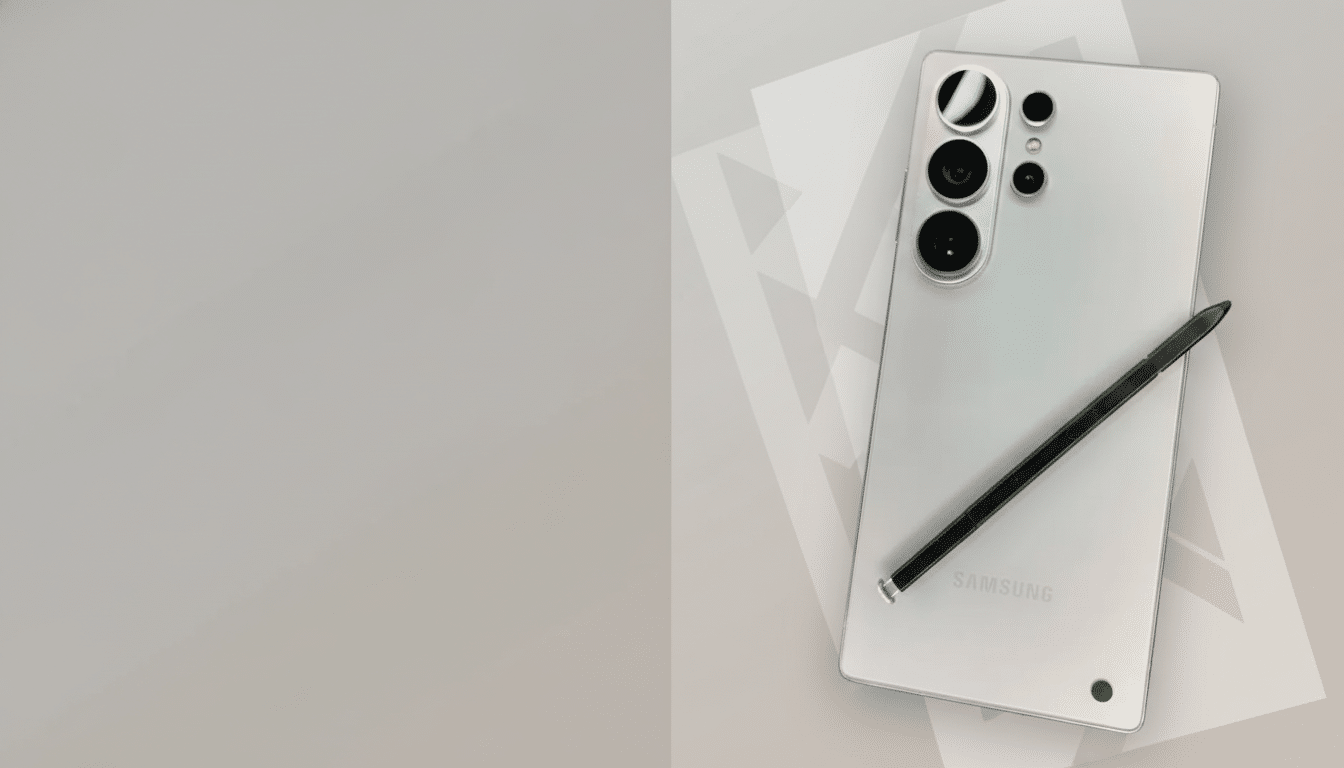
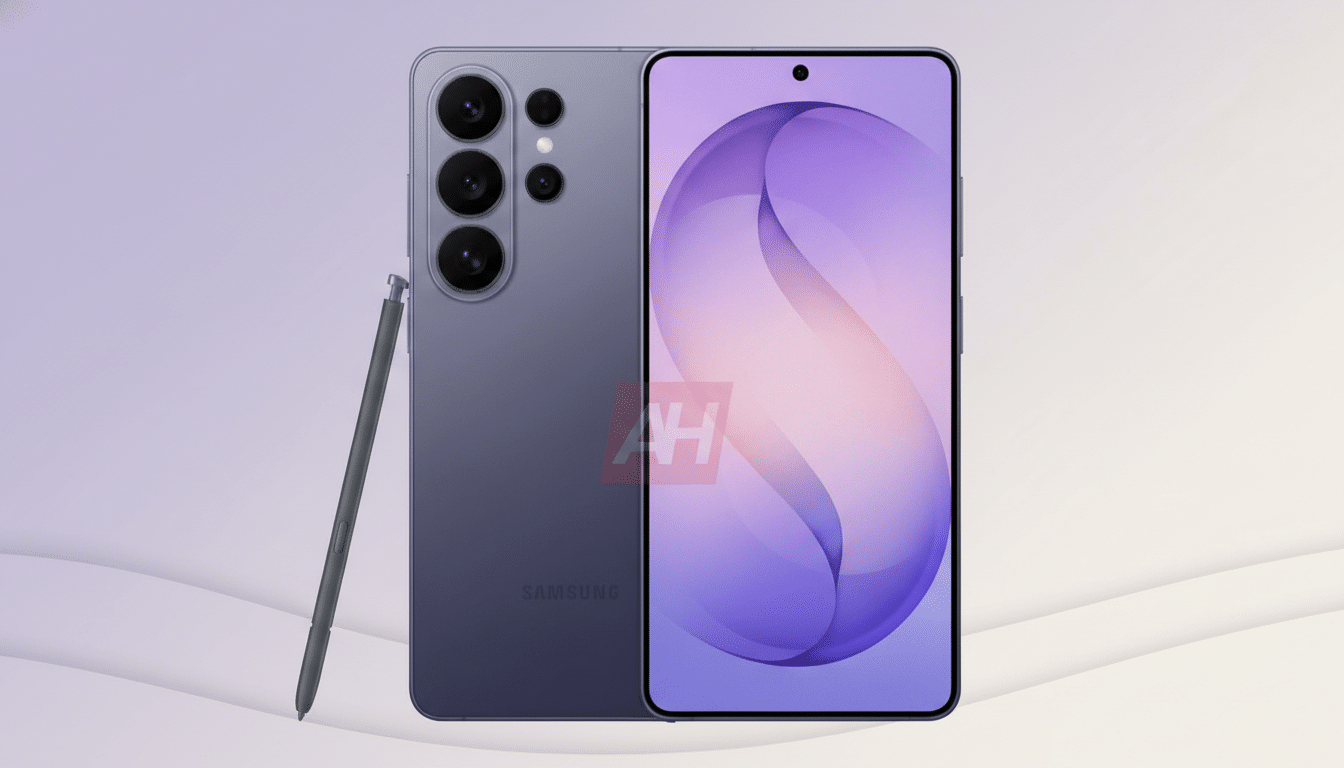
Samsung’s next ultra flagship may finally embrace a key Android capability its predecessor missed. Pre-release system logs tied to the Galaxy S26 Ultra indicate the phone declares support for the Android Virtualization Framework, a prerequisite for Google’s Linux Terminal feature that enables a full Linux environment to run directly on the device.
AVF Support Hints at Linux Terminal on Galaxy S26 Ultra
The logs reference android.software.virtualization_framework, the system feature flag that signals hardware and OS readiness for Android’s secure virtualization stack. That flag was notably absent on the Galaxy S25 Ultra, which is why the Linux Terminal option never arrived despite capable silicon.
- AVF Support Hints at Linux Terminal on Galaxy S26 Ultra
- What Changes From Galaxy S25 Ultra to S26 Ultra
- Why It Matters for Power Users and Developers
- Security and Enterprise Angle for AVF and Linux Terminal
- How It Stacks Up to Pixel Phones and AVF Features
- What to Watch Before Launch of the Galaxy S26 Ultra
Linux Terminal relies on AVF to spin up a protected virtual machine isolated from the rest of the phone. Google introduced AVF to mainstream Android starting with the Microdroid environment and pKVM hypervisor work, and it’s been used first on Pixel devices to securely sandbox workloads. With the S26 Ultra now signaling AVF, the path to Linux Terminal looks credible.
Nothing is guaranteed until retail firmware ships, but the presence of the flag in test builds is a strong indicator that Samsung is laying the groundwork this time.
What Changes From Galaxy S25 Ultra to S26 Ultra
The S25 Ultra’s omission was puzzling given that modern Arm-based chipsets support hardware virtualization. Industry watchers speculated that Samsung’s software stack and security policy decisions, not raw performance, were the blockers. Enabling AVF requires deep integration with the kernel, hypervisor, and device security model, including measured boot and memory isolation.
By contrast, the S26 Ultra is expected to ship with a One UI release aligned with Android 16’s second quarterly platform update, the same baseline where Google positions Linux Terminal. In other words, the software foundation and the system flag now line up.
Why It Matters for Power Users and Developers
Linux Terminal is more than a shell. It boots a lightweight Linux environment in a protected VM, enabling package managers, scripting tools, and development utilities without rooting the phone. Think on-device compilers, Python environments, or running code-server to bring a VS Code-like experience through the browser—no laptop required.
For Samsung, the move also echoes and modernizes an older ambition. The company once piloted Linux on DeX before shelving it. AVF-backed Linux Terminal achieves similar goals with far stronger isolation and portability, and it pairs naturally with DeX on an external monitor for a near-desktop workflow.
Developer interest is real: community surveys from organizations such as Stack Overflow have consistently ranked Linux among top development environments. Bringing a bona fide Linux VM to a mainstream Android flagship could make the S26 Ultra the go-to handset for mobile coding, penetration testing labs, or data science prototypes on the move.
Security and Enterprise Angle for AVF and Linux Terminal
AVF’s design isolates the Linux VM using a protected hypervisor and dedicated memory regions, aligning with guidance from bodies like NIST around virtualization-based security. That’s a better fit for enterprise than older chroot-style solutions. Combined with Samsung Knox, IT teams could potentially allow developers a sanctioned Linux workspace without compromising managed profiles or corporate data.
Google has already demonstrated AVF’s utility for sensitive workloads on Pixel, and the broader Android Open Source Project has documented its threat model and attestation hooks. If Samsung adopts the same posture, expect device attestation and policy controls to play a role in how Linux Terminal is provisioned in business environments.
How It Stacks Up to Pixel Phones and AVF Features
Pixel phones were first to market with AVF-enabled features and have been the reference hardware for Android virtualization. Bringing AVF to the S26 Ultra narrows that capability gap and sets a new baseline for premium Android phones. If history is a guide, once one major Android vendor ships a developer-facing feature like this, others tend to follow within a cycle.
What to Watch Before Launch of the Galaxy S26 Ultra
Pre-release logs are not final, and vendors sometimes toggle system features late in development. Regional firmware differences, carrier approvals, and enterprise policy defaults can also influence availability. Performance will depend on how much RAM and storage Samsung dedicates to the VM image and whether the company exposes user-friendly controls for importing Linux distributions.
If AVF support makes the cut, the S26 Ultra would close a conspicuous gap from last generation and unlock a flagship-grade on-device Linux experience. For developers, researchers, and tinkerers, that could be the most consequential upgrade of the cycle.
