


The next Galaxy Ultra could solve two of the most annoying quirks in mobile photography. The Samsung Galaxy S26 Ultra is expected to put a stop to lens flare and the yellow cast that can give human skin artificial shades of wax, with rumors pointing to a significant camera upgrade without tearing everything up under the hood.
The rumored promise comes from Ice Universe, a leaker who has been reliable on Samsung optics in the past, and it includes “improved flare” (the unsightly disco-like effect with bright lights), better lens and coating tech, plus yellow-tinted face fixes for incoming S26 Ultra owners.

If true, Samsung is directly pursuing the same problems we’ve seen continue through multiple flagships — and which some rivals have already avoided.
Lens Flare Is Not a Look But Lost Detail
Flare occurs when light bounces around inside the lens stack, between elements and the cover glass, manifesting as halos, blobs, or veiling glare. It’s much more noticeable when you’re shooting streetlights, sunsets, or a concert. Testers and reviewers in the lab like DXOMARK continually check for flare because it lifts black levels, crushes contrast, and washes out color.
Samsung’s reported solution refers to more effective coatings — including multiple anti-reflective films and nano-structured surfaces that reduce internal reflections. Brands that have collaborated with traditional optics houses have done so for years: vivo’s ZEISS T* coatings and Xiaomi’s Leica-branded Summilux systems provided tangible reductions of ghosting over earlier generations.
Apple’s iPhones are superlative in many ways, but they have become synonymous with distracting night flare, the infamous “green orb” artifacts. If the S26 Ultra actually reduces flare in a meaningful way without softening the image, it could also jump over an ongoing iPhone pain point in backlit scenes.
The Problem: Having Yellow Skin Tone & Why
“Yellow skin” is almost always much more than just a white balance mistake. There are auto white balance biases, tone mapping, and color models that exaggerate warmth in the midtones as well. Indoor lighting makes it worse, and aggressive noise reduction can turn micro-contrast in skin to mush, leaving faces looking plasticky and wan.
Samsung has tried to tone that down in recent years, but the S26 Ultra’s rumored pipeline adjustments signal a deeper calibration — maybe updated skin tone segmentation and hue-preserving denoise, and an improved auto white balance model trained on more diverse image sets. Google’s Real Tone project demonstrated the importance of having inclusive, representative training data; expect Samsung to do roughly the same here in their own way with fairness and fidelity.
Hardware Stays Put But Optics And Software Make A Difference
Leaks suggest the S26 Ultra will retain a camera layout that looks largely similar to that of the S25 Ultra, highlighting a broader industry truth: year-on-year leaps in image quality now come from optics and computational photography as much as sensor swaps.
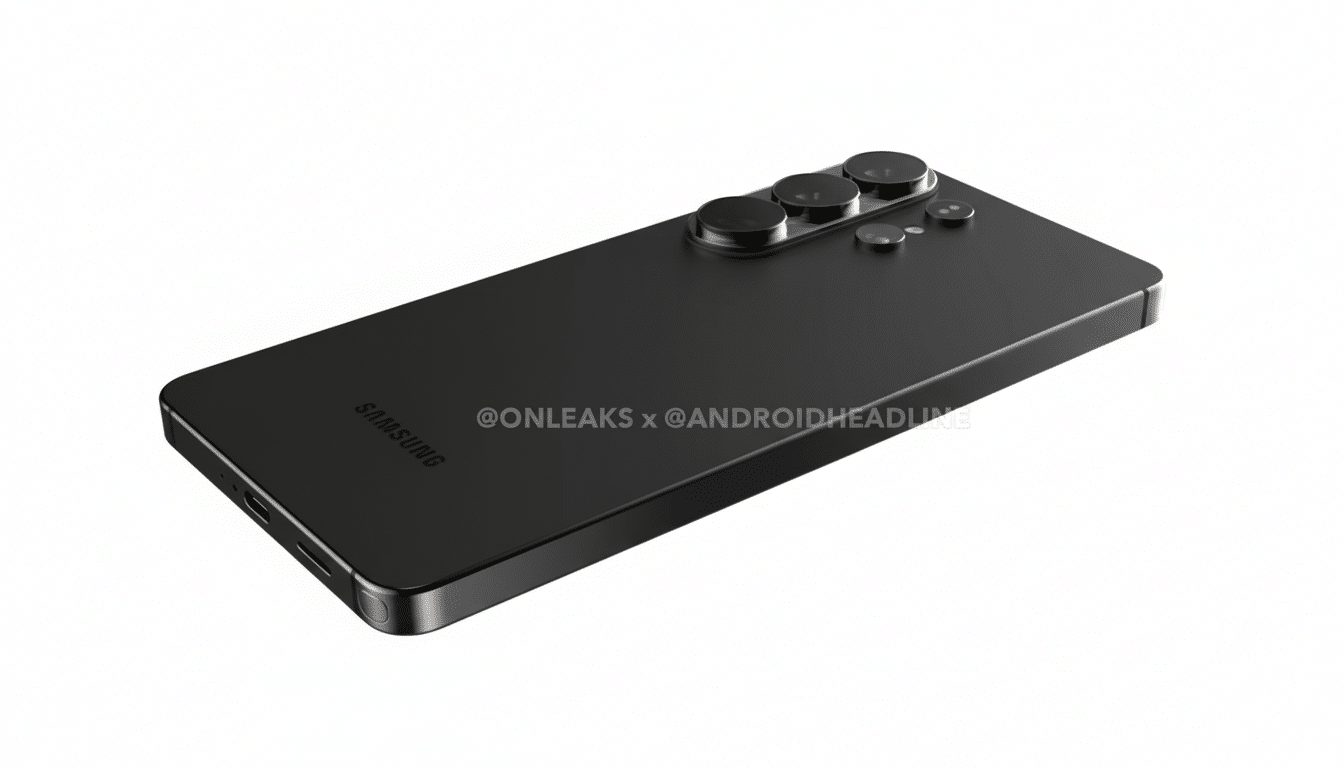
Improved coatings and lens design can reduce reflectance per surface by a fraction of a percent — seemingly tiny changes that cumulatively slice through flare across a stack of elements. Combine that with improved image processing, and you get cleaner highlights, steadier color, and truer skin tones. It is the sort of incremental, real-world improvement that users will notice at night or under mixed light.
How It Stacks Up Against Its Most Recent Rivals
Sony’s most recent Xperia flagships use mature ZEISS coatings and also conservative coatings to help keep flare down. On the 14 Ultra, Xiaomi’s Leica tie-up meant greater lens transmission and coatings that helped preserve contrast in neon-lit scenes. vivo’s X series has always done well in the artifact control department, helped by T* coatings and tuned tone curves.
For Samsung to catch up here would be huge because its Ultra line already delivers class-leading reach and detail. Sharper long-range shots are terrific, but they don’t amount to much if highlights bloat and faces turn gold. If anything, a more accurate color pipeline and cleaner optics might close the gap in tough lighting situations where people shoot most frequently.
Other Camera Notes You Need to Know About
Beyond optical and color changes, the S26 Ultra is rumored to add a 24MP shooting option — mirroring a broader move to bin high-res sensors into more balanced mid-res output for better detail-to-noise trade-offs. The APV video codec may also be supported, but this will depend on implementation and platform support, with potential upside for efficiency and quality.
Bottom Line if the Leak Holds True for S26 Ultra
If these refreshes come to pass, the Galaxy S26 Ultra would not simply be another small iteration — it would tackle two weaknesses that matter for day-to-day photos more than sensor megapixels ever do.
Less flare translates to more realistic night scenes and backlit portraits; corrected skin tones mean that people look like themselves. For a lot of people, that’s the upgrade that matters.
Samsung has the chops for both optical pedigree and processing might to pull it off. Now the question is, simply: can it beat competitors who got out in front on coatings and color — and force iPhone to finally figure out its own flare and warmth problems? We won’t have long to wait to find out.
